
Cats, much like humans, experience discomfort and will seek ways to alleviate it. While we can reach and scratch an itch, cats often resort to chewing and biting their paws. Occasional paw chewing might be a fleeting response to a minor irritant, but persistent and severe chewing can signal deeper issues, potentially leading to chronic pain and distress. When this behavior becomes habitual or doesn’t resolve the underlying problem, it can result in painful infections, lameness, and persistent skin conditions. If you observe your cat frequently chewing their paws, seeking veterinary advice is crucial.
A thorough paw examination is the first step in addressing this issue. Gently check the skin between the toes and pads for any signs of redness, heat, or swelling. Inspect the nails for breaks, splits, or ingrown conditions, and examine the nail base for swelling or discharge. Also, look for any foreign objects lodged between the toes or pads, such as gravel, caked dirt, or tar, and check the toes themselves for lumps, swelling, or tenderness. If the paw is dirty, rinsing or bathing it can help clear away debris that might be hiding cuts.
To prevent your cat from further irritating the area, distraction can be effective. If licking persists, consider using a cone or an inflatable collar. As a temporary measure, a cotton sock secured loosely with household tape (ensuring it’s not too tight) can be used for a maximum of 6 to 8 hours. It’s also important to keep your cat’s feet as dry and clean as possible. Keeping your cat indoors and using a litter tray with wood or paper-based pellets, rather than fine, gritty, or dusty litter, can contribute to this. For expert support and advice, online veterinary services are available 24/7.
Common Causes of Paw Chewing in Cats
Several factors can lead to a cat chewing its paws. These include:
- Foreign bodies: Items like grass seeds, thorns, glass, or ingrown nails can cause significant discomfort.
- Irritants: Stepping in sticky, caustic, or irritating substances can trigger chewing.
- Paw injuries: Cut, cracked, or split paw pads are a common cause.
- Nail problems: Injuries to the nails or infections in the nail bed can lead to chewing.
- Allergies: Cats can suffer from food allergies, contact dermatitis, or atopy, all of which can manifest as itchy paws.
- Parasites: Harvest mites, also known as chiggers or berry bugs, are a frequent culprit.
- Behavioral issues: Boredom or stress can sometimes lead to compulsive paw chewing.
- Pododermatitis: This is inflammation of the skin on the feet.
- Pain: Discomfort originating from joint issues or deeper soft tissues within the toes can also cause paw chewing.
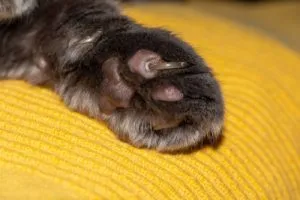 An ingrown nail can cause severe pain
When to Seek Veterinary Attention
It is important to consult a veterinarian if your cat exhibits any of the following signs along with paw chewing:
- Changes in behavior: This includes a decreased appetite, less interest in playing, or general lethargy.
- Limping: Difficulty walking or an altered gait is a clear indication of pain or injury.
- Swelling: A swollen foot or noticeable swelling between the toes requires immediate attention.
- Bleeding: Any presence of blood from the paw is a cause for concern.
- Raw wounds: If the cat has chewed the paw to the point of raw skin, veterinary care is necessary.
Veterinary telehealth services can provide guidance if you are unsure how to help your cat or whether a vet visit is necessary.
Preventive Measures for Paw Chewing
Proactive care can help prevent your cat from developing issues that lead to paw chewing:
- Nail trimming: Regularly trim your cat’s nails to reduce the risk of splitting or tearing.
- Paw hygiene: Clean your cat’s paws after they have been exposed to mud, gravel, or road salt/grit.
- Allergy and parasite management: Promptly identify and treat any allergies or harvest mite infestations. Regular anti-parasite treatments can minimize the risk of mites.
- Pad conditioning: Use balms or ointments to keep paw pads and nails healthy, especially during harsh weather conditions.
- Mental and physical stimulation: Ensure your cat has plenty of opportunities for exercise and engaging toys to prevent boredom and stress.
- Weight management: Keeping your cat at a healthy weight is crucial, as obesity can worsen skin conditions and joint problems.
If you remain concerned about preventing paw chewing, veterinary professionals are available around the clock to offer support and expert advice.
Identifying Potential Issues Through Paw Chewing
Observing how and when your cat chews their paws can provide clues to the underlying problem:
- Puncture wounds: These may suggest the presence of foreign bodies or infections.
- Painful response to pressure: If your cat reacts with pain when you press on a paw pad, it could indicate a trapped foreign body.
- Swollen toes: This symptom can point to infection, injury, or arthritis.
- Swellings between toes or pads: These often indicate foreign bodies.
- Tiny red dots: Small red spots on or between short hairs on the toes and between the pads can be a sign of harvest mites.
- Other symptoms: If your cat also exhibits itchy ears, general scratching, or excessive licking elsewhere, it could suggest allergies or a broader mite infestation.
At-Home Care for Mild Paw Chewing
While veterinary treatment is essential for severe cases, you can provide supportive care for milder symptoms or while waiting for a vet appointment:
- Cleaning: Rinse or gently shower away surface dirt from the paw.
- Soaking: Bathe the paw in warm salt water.
- Topical treatments: Apply an antiseptic or antibacterial gel, mousse, or wipe to mildly inflamed or irritated skin.
- Soothing balms: Use soothing balms or ointments on mildly irritated paw pads.
- Protection: Use a cone collar or a soft bootie to prevent further chewing or licking until the irritation subsides.
Recommended Products for Paw Care
Several products can aid in managing paw irritation and health:
- Nextmune Clorexyderm Spot Gel: A spot treatment for skin irritation.
- PetShield Fleascreen Combo for Cats: For parasite control.
- Nextmune CLX Wipes: Medicated wipes for topical application.
- YuMOVE® Skin & Coat Care Moulting for All Cats: A supplement to support skin and coat health.
- Hill’s Prescription Diet d/d Food Sensitivities Dry Cat Food: A specialized diet for cats with food sensitivities.
Veterinary Treatments for Paw Chewing
Veterinary treatments are tailored to the specific cause of paw chewing:
Prescription Medicines
- Topical treatments: Including antibacterial, antifungal, and anti-inflammatory creams, ointments, washes, and baths.
- Oral medications: Such as antibiotics, antifungals, anti-inflammatory drugs (steroids or NSAIDs), painkillers, and immunosuppressants like antihistamines or ciclosporin.
- Injections: Options include one-off steroid injections for severe inflammation, antibiotics, immune-boosting injections for allergies, and monthly injections for arthritis.
- Anti-parasitic treatments: Available as sprays, spot-on applications, or tablets.
Veterinary Procedures
In some cases, minor surgical procedures may be recommended:
- Foreign body removal: Under sedation or general anesthetic, vets can locate and remove foreign objects.
- Wound management: Cleaning and stitching wounds, as well as removing lumps or growths.
- Nail repair: Trimming or removing broken nail fragments.
- Laser treatment: A therapeutic option for certain conditions.
Risk Factors for Paw Chewing
Certain cats may be more prone to chewing their paws due to underlying health issues or environmental factors. These can include underlying medical conditions, exposure to allergens, or environmental irritants.
Other Potential Causes of Paw Chewing
Beyond the common causes, other less frequent reasons for cats chewing their paws include:
- Thermal burns: From walking on hot surfaces like tiles, tar, or sand.
- Hookworm infections: Though less common, parasites can cause discomfort.
- Fungal nail infections: These can lead to pain and inflammation.
- Cancer: In rare instances, growths or tumors on the paws can cause chewing.
Sharing this article can help other cat owners understand and address this common issue.
