
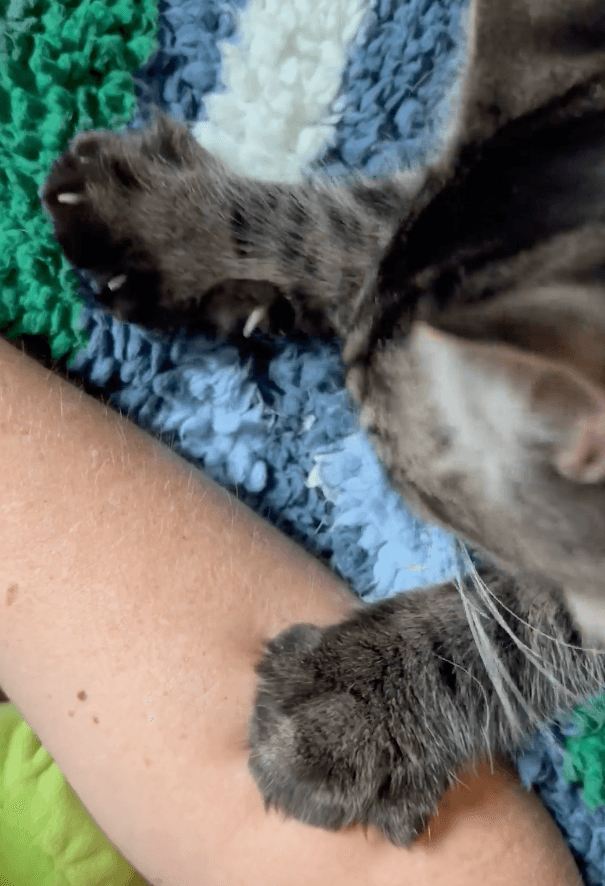
Have you ever observed your feline companion rhythmically pressing their paws into a soft surface, often accompanied by a contented purr? This behavior, commonly referred to as “making biscuits,” is a fascinating aspect of cat communication and comfort. While it might seem like a quirky habit, understanding the underlying reasons can deepen your bond with your pet. This article explores the nuances of cat kneading, why they do it, and what it signifies.
The Mechanics of Cat Kneading
Cat kneading involves an alternating motion of their paws against a soft surface, much like a baker works dough. This action can range from gentle presses to more vigorous pushes, with claws sometimes extended or retracted. While most cats utilize their front paws, some may engage all four, creating a more elaborate display. This behavior is often accompanied by purring, a sound that itself carries various meanings in the feline world.
Why Do Cats Knead? Exploring the Theories
While the exact reason for cat kneading remains a subject of ongoing research, several compelling theories attempt to explain this behavior:
A Lingering Kittenhood Comfort
One of the most widely accepted theories suggests that kneading is a remnant of kittenhood. When nursing, kittens rhythmically massage their mother’s teats to stimulate milk production and flow. This action is closely associated with feelings of comfort, security, and contentment. Therefore, an adult cat kneading on your lap or a favorite blanket may be recreating those same warm, nurturing sensations they experienced as a young kitten nestled close to their mother. The occasional tendency for some cats to suckle on blankets while kneading further supports this explanation.
Marking Their Territory and Expressing Affection
Cats possess scent glands in their paw pads. Kneading can serve to express these scents, marking their territory and indicating ownership over a particular spot or person. This is similar to how cats rub their cheeks on objects and people to leave their scent. When your cat kneads on you, it can be interpreted as a sign of affection and a declaration that you belong to them, alongside other items they’ve marked.
Signaling Readiness for Mating
In some instances, particularly when a female cat is in heat, kneading can become more pronounced. This behavior may be linked to the expression of scents from their paw glands, serving as a signal to attract male cats and indicate their readiness for mating.
An Ancient Instinct for Nesting
Long before domestication, wild cats likely engaged in kneading as a way to prepare a sleeping area. They would stamp down grass or foliage to create a soft, comfortable nest and potentially flush out any hidden prey or threats. This instinctive behavior might persist in our domestic cats as they prepare to settle down for a nap, circling and kneading their chosen spot to create a cozy resting place.
What If My Cat Doesn’t Knead?
If your cat does not exhibit kneading behavior, it’s generally not a cause for concern. Cats are individuals, and not all of them will display every typical feline behavior. Several factors could contribute to a lack of kneading, including:
- Stress or Anxiety: A cat that feels insecure or stressed may be less likely to engage in relaxing behaviors like kneading. Ensuring a calm and stable environment for your cat is crucial.
- Natural Variation: Just as with purring or vocalization, there’s a natural variation in kneading behavior among cats. Some cats simply do not develop this habit, or they may begin kneading later in life.
It’s important to remember that a cat’s overall well-being, happiness, and comfort are more significant indicators of their health than any single behavior. If your cat is otherwise content and well-adjusted, their lack of kneading is likely just a matter of individual personality.
In conclusion, “making biscuits” is a multifaceted behavior rooted in comfort, instinct, and communication. Whether it’s a sign of contentment, a way to mark territory, or a remnant of kittenhood, understanding kneading offers a fascinating glimpse into the complex emotional world of our feline companions.
