
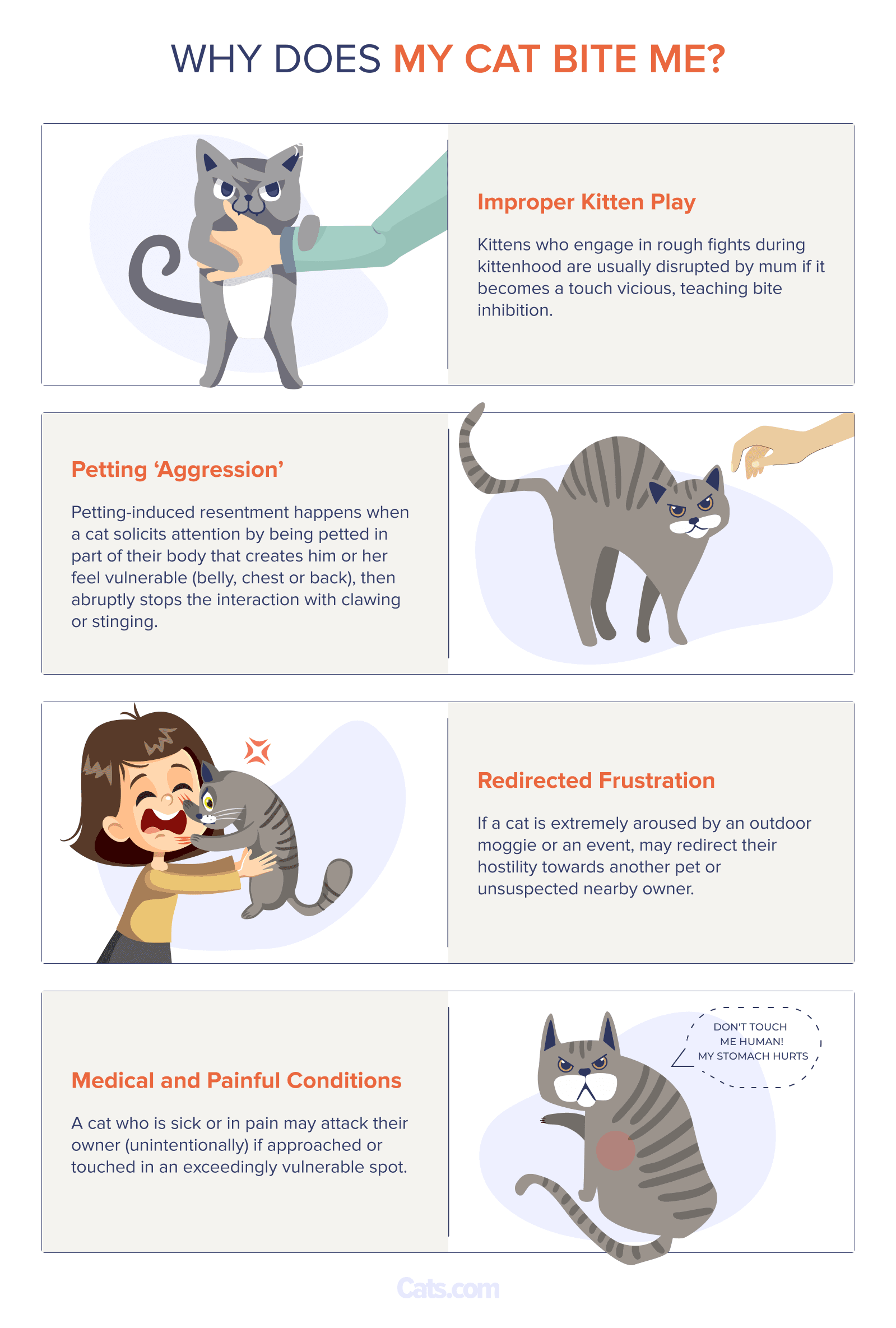
It is not acceptable or healthy for a cat to scratch and bite its owners. This behavior can stem from various issues, including boredom, frustration, distress, or inappropriate play. In some cases, it may even indicate an underlying health problem that requires veterinary attention. If your cat is exhibiting scratching and biting, understanding the potential causes and implementing appropriate solutions is crucial for a harmonious living environment.
Is Your Cat Bored or Frustrated?
A lack of environmental stimulation can lead to boredom and frustration in cats. To feel content, cats need opportunities to engage in behaviors that simulate hunting, chasing, and catching prey. They also require spaces to scramble, explore, and perch in high places to fulfill their natural instincts.
Mimicking the Hunt During Playtime
Engage your cat with toys like feathers on strings, ribbons, or yarn. Move the toys dynamically, simulating prey by shaking them high and low, dragging them across the floor, or hiding them. The use of rustling or crinkling sounds can further excite your cat. Alternate between periods of activity and suspense, allowing your cat to stalk and pounce. Following a successful “hunt,” reward your cat, ideally just before a meal, so they feel satisfied. Ensure they have a comfortable resting spot afterward to complete the cycle of hunting, feeding, and resting, which is essential for keeping most cats stimulated and content.
Encouraging Climbing and Perching
Set up obstacle courses and cat trees in areas where your cat enjoys spending time, preferably near family activity rather than in secluded spots. Providing high perches allows your cat to observe their surroundings from a safe vantage point, fulfilling their need to survey their territory.
Ensuring Adequate Cat Resources
Cats require multiple, distinct areas for essential resources such as food, water, toileting, scratching, playing, and sleeping. These areas should be separate from each other to cater to a cat’s preference for spatial separation of activities. For multi-cat households, it is vital to provide more than one of each resource to offer each cat choices and prevent competition. Cats need options to thrive and feel secure.
Environmental Changes and Anxiety
Sudden disturbances to a cat’s familiar and calm home environment can cause anxiety, leading to biting and scratching behaviors. Renovations, increased noise, unfamiliar people, the introduction of new pets, or even guests staying over can unsettle a cat. If an environmental change is the suspected cause, try to minimize triggers or provide your cat with a quiet, peaceful area to retreat to during the disruption. For severely stressed cats, consult your veterinarian about potential solutions such as pheromones, supplements, or medication to help them adjust.
Teaching Proper Play Behavior
It is essential for cats to learn appropriate play etiquette with their humans from a young age, ideally as kittens. If this early training is neglected, cats may develop predatory behaviors, including full-scale scratching and biting, which can be difficult to correct later in life.
Guiding Kittens in Play
From the beginning, use toys instead of hands or feet as play objects. Keep toys at a distance from your body, such as feathers or balls attached to long strings or sticks. Immediately cease play and ignore any instances of scratching or biting. For a short period (5-10 minutes), withdraw your attention. Maintaining a calm and patient demeanor when interacting with kittens is crucial, as positive reinforcement is the most effective method for them to learn desired behaviors.
The Importance of Consistent, Positive Social Interaction
All interactions with your cat should be positive, consistent, and predictable. Punishment is counterproductive and will likely increase your cat’s anxiety and tension. Allow your cat to initiate interactions; never force them to be petted or picked up if they are unwilling. Ensure that all household members, including children, understand and respect this rule.
Considering Household Scents
Cats possess a highly sensitive sense of smell and can be irritated by strong odors that humans may find pleasant. This includes incense, air fresheners, essential oils, cigarette smoke, and certain cleaning products. Cats are particularly averse to scents like citrus, peppermint, eucalyptus, lavender, banana, and coffee. If you use strong fragrances in your home, consider that they might be causing distress to your cat. Calming scents and pheromones are available that can help alleviate their sensitivity.
Veterinary Check-up for Persistent Issues
If aggressive biting and scratching continue despite addressing the points above, it is imperative to schedule a veterinary check-up. Pain or discomfort can make a cat feel on edge and defensive, leading to these behaviors. A veterinarian can identify any underlying medical issues that may be affecting your cat’s behavior and provide appropriate treatment.
