
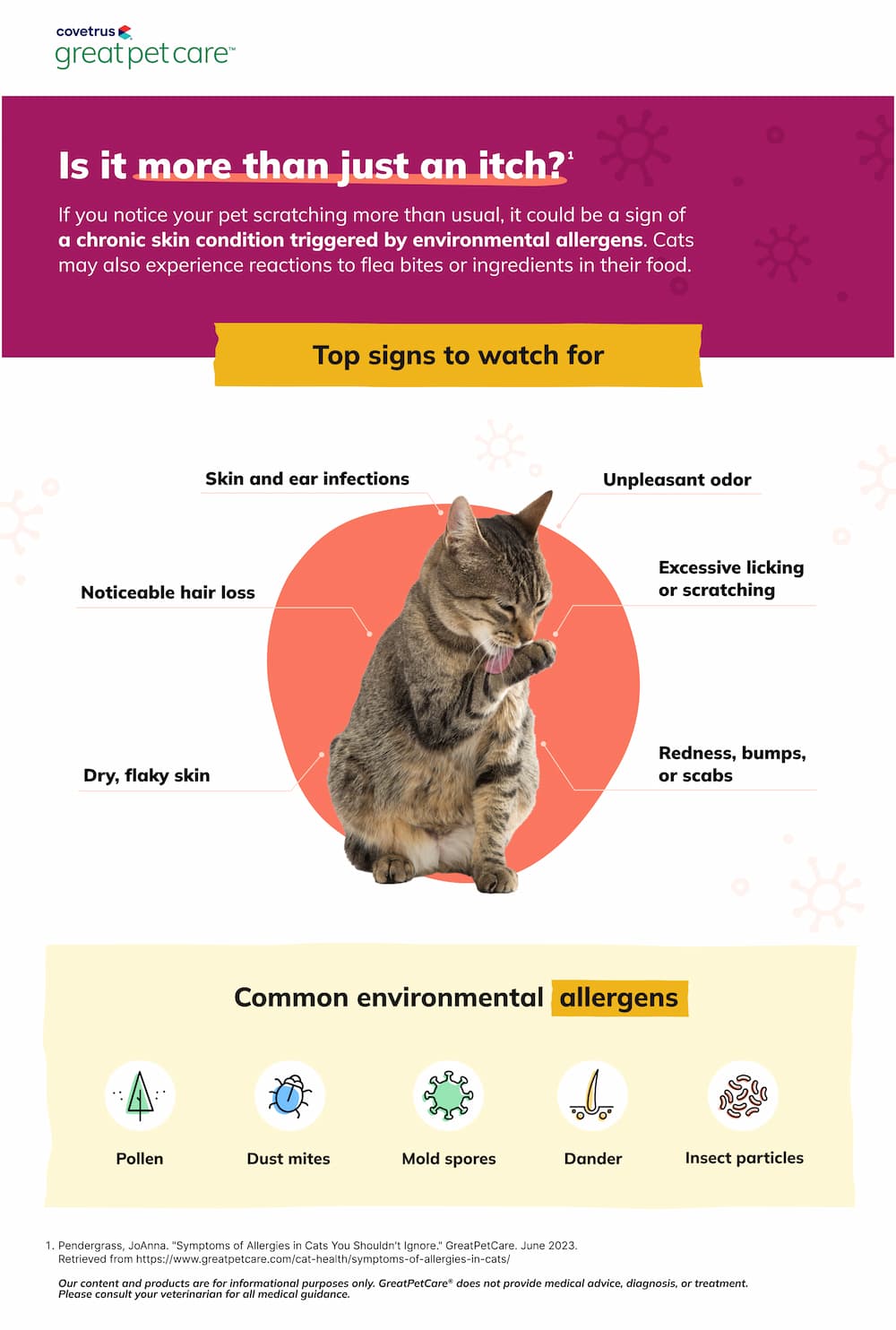
It’s understandably concerning when your feline companion starts to itch. Beyond the immediate worry of how to soothe their discomfort, you’re likely wondering about the root cause of their scratching. Cats can develop itchy skin for a multitude of reasons, ranging from simple dryness to the presence of parasites. This persistent itching can lead to raw, bleeding skin, significant discomfort, and even hair loss, making it crucial to identify and address the cause as soon as possible. This article will delve into why cats itch and the most effective ways to manage this common symptom, emphasizing the importance of veterinary guidance.
What Constitutes Itching in Cats?
Itching, medically known as pruritus, is a prevalent symptom in cats, stemming from a wide array of underlying conditions. These causes can vary in severity, from mild skin irritation to more serious infections. When a cat experiences an itch, their natural response is to use their claws to repeatedly scratch the affected area. This physical stimulation of the skin triggers the release of histamine, a chemical compound that causes inflammation and, consequently, more itching. This creates a cycle that persists until the original cause is effectively addressed. The discomfort from itching significantly impacts a cat’s well-being and behavior, underscoring the need for a veterinary diagnosis to establish the correct treatment plan.
Common Causes of Feline Itchiness
The most frequent culprits behind itchy cats are allergies, infections, and parasites. However, the spectrum of potential causes is broad, and veterinarians will explore various possibilities to pinpoint the exact reason for your cat’s discomfort.
Is a Cat’s Itching an Emergency?
In most scenarios, itching by itself does not constitute a medical emergency. However, there are critical exceptions. If a cat is experiencing intense itching that results in self-inflicted damage to their fur and skin, leading to deep scratches and bleeding, immediate veterinary attention is necessary to provide relief and prevent secondary infections. Furthermore, if the itching is a symptom of a severe allergic reaction, this is considered an emergency requiring urgent veterinary care.
When to Seek Veterinary Consultation
If your cat is continuously scratching and appears distressed, scheduling a veterinary appointment is highly advisable to determine the underlying cause. While not typically an emergency, persistent itching warrants professional evaluation. If your cat is itching and simultaneously exhibiting signs of an allergic reaction, such as facial swelling, sneezing, or difficulty breathing, this situation should be treated as an emergency, and your cat needs to be taken to a veterinarian immediately.
How Veterinarians Diagnose the Cause of Itching
The diagnostic process for itching itself is generally straightforward; the complexity lies in identifying the specific cause. A veterinarian will commence with a comprehensive physical examination to assess your cat’s overall health. If you’ve noticed your cat repeatedly scratching a particular area, be sure to point this out to your veterinarian for a closer examination.
Veterinarians employ various diagnostic tests to uncover the root cause of itching:
- Flea Comb: A veterinarian will carefully comb through the cat’s fur, searching for live fleas or flea feces (often appearing as small black specks). While fleas can be present anywhere, they are commonly found near the base of the tail, between the shoulder blades, or under the chin.
- Skin Scrape: Using a dull blade, a veterinarian gently scrapes skin cells from the affected area. This sample is then placed on a glass slide, mixed with oil, and examined under a microscope to detect mites and their eggs.
- Tape Prep: A piece of clear tape is pressed onto the cat’s skin and then transferred to a glass slide. After staining, microscopic examination can reveal the presence of bacteria or fungi.
- Fungal Culture: If ringworm is suspected, a small sample of fur and skin from the affected region is placed in a culture medium. Growth is monitored over several days to confirm fungal presence.
- Allergy Testing: Often performed by a veterinary dermatologist, allergy tests can involve blood analysis or skin prick tests to identify allergens.
- Fine Needle Aspirate (FNA): If an itchy lump is detected, a small sample of cells can be aspirated and examined microscopically to determine the lump’s nature.
- Blood Work: A small blood sample can help veterinarians identify underlying systemic diseases that may be contributing to itching.
- Diet Trial: For suspected food allergies, cats must adhere to a strict, limited-ingredient diet for six to eight weeks. The original diet is then reintroduced to observe any changes in symptoms.
- Ear Cytology: If ear itching is a concern, a cotton swab collects material from the ear canal. This is stained and examined under a microscope for yeast and bacteria responsible for infections.
Treatment Strategies for Itchy Cats
The treatment for itching in cats is entirely dependent on the diagnosed underlying cause. This may involve a combination of topical and oral medications. Treatment can be short-term, as with reactions to insect bites, or long-term for chronic conditions like food allergies.
For cats diagnosed with food allergies, your veterinarian might suggest a specialized veterinary diet featuring a novel protein source (e.g., alligator) or a hydrolyzed protein diet. If your cat has food allergies, your vet may recommend a novel protein veterinary diet, like Blue Buffalo Natural Veterinary Diet Novel Protein Alligator Cat Food, or a hydrolyzed protein diet, like Blue Buffalo Natural Veterinary Diet Hydrolyzed Dry Cat Food.
Several types of medications may be prescribed to manage itching in cats, addressing the specific cause identified by your veterinarian.
Recovery and Ongoing Management
The timeline for recovery from itchy skin in cats varies significantly based on the cause. For instance, itching due to an allergic reaction can subside within minutes of administering the appropriate medication by a veterinarian. If the itching is caused by parasites like fleas or mites, the skin condition should improve once these pests are eliminated, though full healing might take up to thirty days.
For itching stemming from chronic underlying diseases such as hyperthyroidism or cancer, medical management can reduce the symptoms, but the cat may experience recurrent episodes of itching throughout their life.
During the recovery phase, using a recovery collar (also known as an Elizabethan collar or cone) can be beneficial in preventing your cat from scratching the affected areas and hindering the healing process.
Preventing Itching in Cats
While some causes of itching, such as immune-mediated diseases or certain allergies, cannot be entirely prevented, regular veterinary care is fundamental for maintaining your cat’s overall health and can help in early detection and management. Consistent grooming and keeping your cat’s coat clean and dry can also contribute to preventing skin irritation. Ensuring your cat is up-to-date on flea and tick preventatives is crucial for protecting them against parasites that commonly cause itchy skin.
Frequently Asked Questions About Itchy Cats
What can I give my cat for itching?
It is imperative never to administer any supplement or medication to your cat for itching without consulting a veterinarian first. Identifying the underlying cause is essential for developing an effective treatment plan, and only a veterinarian can provide the correct diagnosis and recommended treatment.
Why is my cat itchy but has no fleas?
Cats are meticulous groomers and may consume fleas from their coat, leaving behind only tiny traces of flea dirt that might go unnoticed. Therefore, it’s entirely possible for a cat to have a flea infestation without visible live fleas being present.
Why is my cat itching and scratching so much?
Cats may exhibit excessive itching and scratching due to various reasons, including infections, parasites, or allergies. Bringing your cat to a veterinarian is the most reliable way to diagnose the precise cause of their discomfort.
