
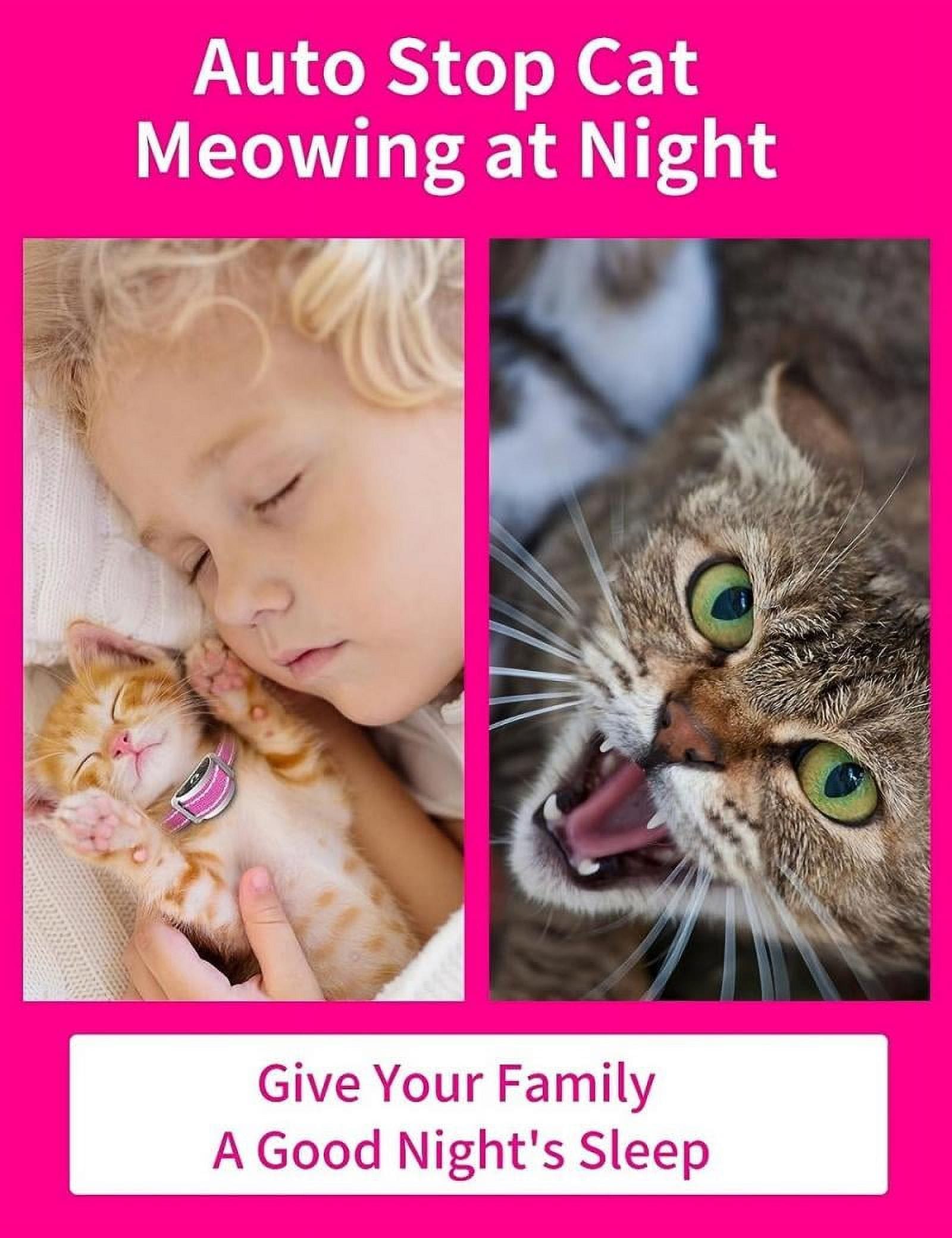
Is your feline friend serenading you with nightly yowls? This common cat behavior can stem from various causes, including boredom, age-related issues, or underlying medical conditions like thyroid problems. While it can be disruptive, your cat’s meowing is their way of communicating, and understanding the root cause is key to finding a solution. This guide will help you address your cat’s nocturnal vocalizations, ensuring a more peaceful night for both of you.
Addressing the Causes of Nighttime Meowing
Cats are naturally communicative creatures, and persistent meowing at night is their signal that something is amiss. Before exploring behavioral solutions, it’s crucial to rule out any medical reasons for the change in vocalization.
1. Veterinary Check-up: The First Step
Any sudden change in your cat’s behavior, especially increased vocalization, warrants a visit to the veterinarian. Conditions like hyperthyroidism, cognitive dysfunction in older cats, or even pain can manifest as excessive meowing. A thorough examination by your vet can identify or rule out any underlying health issues, providing a foundation for addressing the problem.
2. Enriching Your Cat’s Environment
Boredom is a significant contributor to nighttime meowing. Cats are intelligent and active animals that require mental and physical stimulation. Providing an enriched environment throughout the day can significantly reduce their urge to vocalize when you’re trying to sleep.
- Vertical Space: Install cat trees or shelves to allow for climbing and observing their surroundings from a height.
- Interactive Play: Engage your cat in “mock hunting” games using wand toys or laser pointers. Remember, cats are often more engaged with toys that move unpredictably, so your active participation is key.
- Puzzle Feeders: Make mealtime more engaging by using puzzle feeders that dispense kibble as your cat manipulates them.
- Scratching Posts: Offer a variety of scratching posts to satisfy their natural urge to claw and stretch.
3. Pre-Bedtime Play Session
Just like with humans, expending energy before sleep can lead to more restful nights. A vigorous play session with your cat an hour or two before your bedtime can help them release pent-up energy. This not only tires them out but also serves as a valuable bonding opportunity. Consider incorporating mentally stimulating games that mimic hunting, such as chasing a feather wand or batting at a rolling toy. This type of play can be particularly beneficial for younger cats with abundant energy.
4. Ensuring Access to Food and Water
A hungry or thirsty cat is a vocal cat. Before you retire for the night, ensure their food and water bowls are full. Leaving out a portion of dry cat food and fresh water allows them to self-regulate their intake during the night. This simple measure can prevent meowing due to basic needs.
5. Maintaining Litter Box Cleanliness
Cats are fastidious creatures, and a dirty litter box can be a major source of stress and protest. If their designated toilet area is not clean, your cat may refuse to use it and vocalize their displeasure. Scoop the litter box daily and ensure it’s cleaned regularly to meet your cat’s high standards of hygiene.
6. Providing Affection and Companionship
Social interaction is vital for a cat’s well-being. While some cats are content with passive proximity, others crave petting and cuddling. Before bed, spend some quality time interacting with your cat in a way they prefer. This could be gentle stroking, quiet companionship, or simply being present in the same room. Meeting their need for social contact can lead to a more contented and peaceful state, promoting better sleep. Understanding your cat’s emotional state through their cat body language can help you provide the affection they truly need.
7. Minimizing Environmental Disturbances
Cats have sensitive hearing and can be easily disturbed by noises or lights. Investigate potential disruptions in their sleeping environment. Bright lights from streetlamps, car headlights, or even automatic interior lights can interrupt their sleep. Consider using blackout curtains or turning off unnecessary lights to create a darker, more tranquil sleeping space. Eliminating external disturbances can help your cat settle down for the night without feeling the need to vocalize.
Conclusion
Addressing your cat’s nighttime meowing requires patience, observation, and a multi-faceted approach. By ruling out medical issues with your veterinarian and implementing behavioral strategies such as environmental enrichment, pre-bedtime play, and ensuring their basic needs are met, you can significantly reduce or eliminate disruptive vocalizations. Remember that consistent effort and understanding your cat’s individual needs are paramount to achieving a peaceful coexistence and ensuring both you and your feline companion enjoy a good night’s sleep. For more insights into understanding your cat’s needs, explore our comprehensive resources on feline behavior and care.
