
Cats are known for their quirky habits, from playfully knocking items off shelves to kneading soft surfaces with their paws. Among these behaviors, hiding is a common one that can sometimes cause concern for pet owners. Understanding why cats hide is key to recognizing when it’s a normal part of their routine and when it might signal an underlying issue. This article delves into the reasons behind feline hiding, offering insights for cat parents to better interpret their pet’s behavior.
Hiding is a natural and often normal behavior for cats. It’s common to find them seeking refuge under beds, inside closets, or on high shelves, finding cozy and secluded spots to relax and nap. Even well-adjusted cats enjoy having private spaces where they can feel safe and secure. These hiding places offer warmth, quiet, and a sense of security, allowing them to observe their surroundings without feeling exposed. As documented by the ASPCA, enclosed spaces provide cats with a sense of safety and security, making them feel more at ease in their environment. Often, a cat will have a favorite hiding spot, or their preference for hiding might be seasonal, such as seeking warmth near appliances during colder months.
Common Reasons for Cat Hiding
Beyond a simple desire for a quiet nap, several factors can contribute to your cat’s tendency to hide.
Environmental Changes
Cats are sensitive creatures, and changes in their environment can be a significant source of stress. Whether it’s the introduction of a new piece of furniture, a new person or pet in the household, or even the loss of a family member, these shifts can cause a cat to retreat. Cats commonly hide when they are first introduced to a new home, whether through adoption or moving with their family, as they need time to adjust to unfamiliar scents, sounds, and sights.
Overstimulation
A chaotic household environment, characterized by loud noises, boisterous children, or frequent visitors, can be overwhelming for a cat. When faced with such overstimulation, cats often seek a quiet, secluded spot to escape the commotion and regain their composure. In such instances, stress is a primary driver for their need to withdraw.
Fear and Perceived Threats
A cat’s natural instinct for self-preservation kicks in when they perceive a threat. This could be a dog, a stranger, or a sudden loud noise. Hiding is a common fear response, allowing the cat to feel protected until the perceived danger has passed. This behavior is usually temporary, with the cat emerging once they feel safe again.
Physical Discomfort
Hiding can also be a signal that a cat is experiencing physical discomfort. As cats age, they may develop joint pain or other age-related ailments, leading them to seek hidden spots. In the wild, injured or uncomfortable animals are more vulnerable to predators, so cats instinctively hide signs of weakness to avoid becoming easy targets.
Illness
Similar to how they conceal physical discomfort, cats may hide when they are unwell. This instinctual behavior helps them avoid drawing attention from potential predators. However, when a cat is sick and in hiding for extended periods, their underlying health condition may worsen without being noticed or addressed.
Recognizing When Hiding is a Cause for Concern
While hiding is a normal feline behavior, certain indicators suggest that it might be more than just a preference for solitude. Cat parents should be vigilant for these subtle signs.
Abrupt Changes in Behavior
A noticeable shift in your cat’s typical behavior warrants attention. If a normally social cat suddenly begins to hide extensively, or if their hiding patterns change abruptly with longer durations of seclusion, it could signal underlying stress, fear, discomfort, or a medical issue. Observing these sudden changes is crucial, and consulting a veterinarian is recommended.
Interpreting Body Language
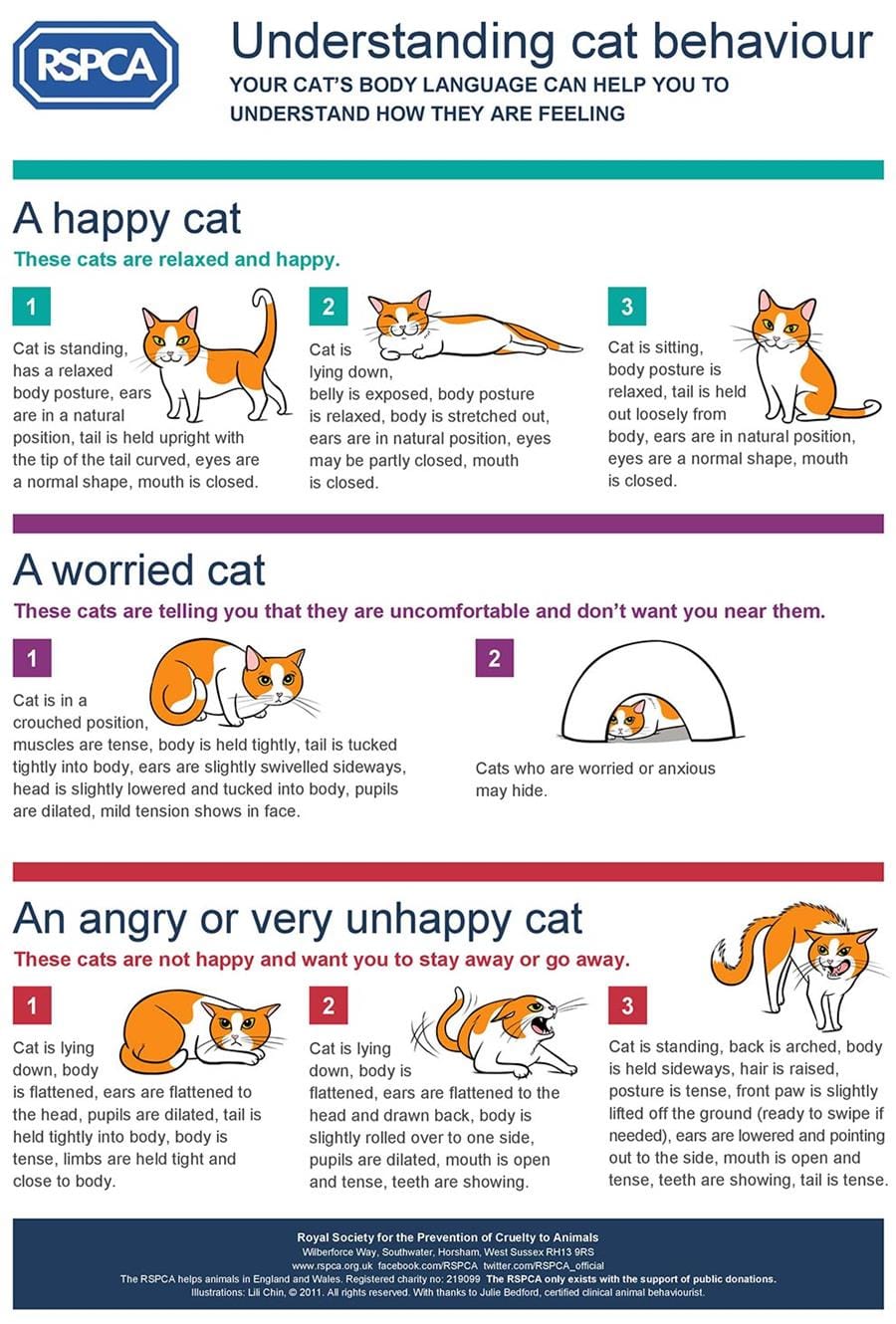
Paying close attention to your cat’s body language while they are hiding can provide valuable clues. A relaxed cat seeking alone time might appear comfortable and uninterested in their surroundings. Conversely, a cat that is stressed or fearful may exhibit signs like dilated pupils, flattened ears, a tense posture, and a tightly wrapped tail. Stiffness and immobility can also indicate joint discomfort.
Additional Symptoms
When a cat is hiding, it can be challenging to notice other signs of illness or discomfort. However, pet owners should be observant of any accompanying behaviors. These can include lethargy, loss of appetite, vomiting, increased sleeping, or accidents outside the litter box. If any of these symptoms are present along with hiding, seeking veterinary advice is essential.
What to Do If Your Cat is Hiding Excessively
If you notice your cat hiding more than usual, the first and most important step is to contact your veterinarian. This is crucial for ruling out or addressing any potential medical issues that might be causing your cat distress.
Once medical concerns have been addressed, it’s important to allow your cat to emerge from hiding on their own terms. Forcing them out can damage the trust between you and your feline companion. Ensure your cat has easy access to food, water, and a clean litter box. You can help your cat adjust to new situations, such as new people, by leaving an item of clothing with your scent on it in the house for them to investigate. Offering treats and toys can also be effective in encouraging some cats to come out of hiding.
How ElleVet CBD + CBDA Can Support Your Cat
Stress can have a significant negative impact on a cat’s physical and mental well-being, and seeing your pet distressed can be upsetting for owners as well. ElleVet’s CBD + CBDA Feline Oil or CBD + CBDA Feline Paste is formulated to help calm stressed cats and support their adjustment to household changes or overstimulation. By managing stress and fear responses, these products can contribute to your cat’s overall well-being.
Furthermore, ElleVet’s CBD + CBDA products can be highly beneficial for cats experiencing joint discomfort. If physical discomfort is the reason for your cat’s hiding, CBD + CBDA may help them regain mobility and comfort. It is crucial to note that ElleVet’s products are dosed specifically for cats, as the correct dosage is vital for achieving positive results.
The Significance of a Safe Hiding Spot
For many cats, having a designated hiding spot is an integral part of their behavioral needs. Enclosed spaces, such as a cardboard box, a space under the bed, or a comfortable cat bed, provide a sense of security and make them feel safe. It’s common for new cat parents to observe their feline friends choosing unusual places like behind a water heater or inside a rarely used carrier as their preferred hiding spots, especially when adjusting to a new environment. These secluded areas serve as vital retreats for napping and for escaping loud noises or unfamiliar pets. Respecting these safe spaces is essential for ensuring your cat feels secure. Introducing a diffuser that emits soothing pheromones can also aid in reducing a cat’s stress and encouraging them to feel more at ease in their chosen sanctuary.
The Role of Playtime in Influencing Hiding Behavior
Regular playtime can significantly impact a cat’s hiding behavior. Engaging in interactive play helps a new cat acclimate to its surroundings, builds trust, and provides an outlet for their natural predatory instincts. For a cat that is hiding, especially a newcomer to the home, interactive play can be an incentive for them to explore. Toys that simulate prey, such as feather wands or cat trees, can entice a cat to leave its hiding spot, merging the safety of its enclosure with the excitement of play. It is important for owners to initiate playtime on the cat’s terms to avoid overstimulation, which might otherwise lead them back to their safe haven. Additionally, playtime can serve as a tool for observing a cat’s stress levels and overall well-being, helping to identify if an underlying health issue is contributing to their hiding behavior.
Health Issues Indicated by Hiding
While hiding is a normal behavior, specific changes can point towards health or medical problems. Cat owners should monitor their cat’s body language and hiding patterns over time. A cat that suddenly begins to urinate outside the litter box, shows reluctance to come out for meals, or exhibits prolonged hiding periods might be indicating a medical issue. It is vital to distinguish between a cat simply enjoying its safe space and one that is withdrawing due to discomfort or illness. A veterinary checkup is highly recommended if hiding behavior is accompanied by other symptoms such as loss of appetite or lethargy. Effective feline behavior solutions often begin with identifying the root cause of behavioral changes, whether it’s adapting to a new environment, coping with a new pet, or addressing a more serious health concern that requires professional cat care.
Conclusion
While hiding is a perfectly normal cat behavior, any increase in your cat’s hiding habits could signal more serious issues like stress or discomfort. You know your cat best. Pay attention to any changes in their regular behavior and consult your veterinarian if you suspect your feline friend may have a medical issue. Always discuss any mental or physical health concerns your cat may be experiencing with your veterinarian. For questions regarding ElleVet’s CBD + CBDA products and how CBD can contribute to your feline friend’s quality of life, please call us at (844) 673-7287 or email us at [email protected]. We are here to help.
Sources:
Hiding Places Mean Happier Cats | ASPCA
hIdentification of separation-related problems in domestic cats: A questionnaire survey | NIH
Playtime is purr-fect for your cat’s welfare | The University of Adelaide
Any health or medical information in ElleVet blogs is from a variety of public and reputable sources. This information is intended as an educational resource only and is not a substitute for expert professional care.
