
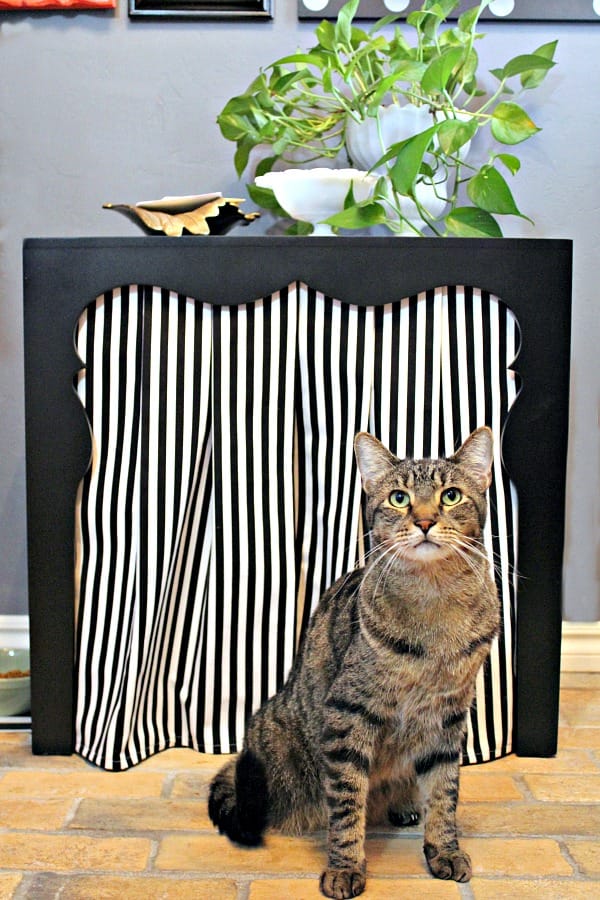
Dealing with the litter box is often cited as the least glamorous aspect of cat ownership, right alongside those startling, early-morning meows. For those residing in compact living spaces, like the vibrant city of San Francisco, integrating this essential cat necessity without sacrificing your carefully curated decor can feel like a significant design challenge. However, with a bit of creativity and strategic planning, it’s entirely possible to camouflage the litter box, keeping your home both functional for your feline friend and aesthetically pleasing for guests.
The Ubiquitous Litter Box Problem
You meticulously design your living space, adding personal touches with art and plants, only to have a utilitarian plastic box disrupt the harmony. The persistent odor, the awkward moments when visitors arrive, and the ubiquitous litter scattered across the floor are common frustrations. For years, many have resorted to hiding the litter box in closets or bathrooms, attempting to pretend it doesn’t exist. However, after facing some embarrassing situations, a more practical approach emerged: finding solutions that are accessible, easy to maintain, and seamlessly integrated into the home’s design. These strategies are particularly valuable for small apartments where space is at a premium.
8 Stealthy Strategies to Conceal Your Cat’s Powder Room
Finding the right place for a litter box in a small apartment doesn’t mean compromising on style. Here are effective methods to discreetly house your cat’s litter box:
1. Undercover Furniture Solutions
This is a straightforward yet often overlooked option. Invest in or create furniture specifically designed to conceal a litter box. This includes benches, cabinets, or end tables with specially cut entry holes. Such furniture not only hides the litter box but can also offer additional storage or seating, maximizing utility in a small space.
2. The Verdant Plant Corner
If you have a penchant for houseplants, strategically placing a litter box behind a grouping of tall, leafy plants can be an effective camouflage. Consider species like Boston ferns or bamboo palms, or even a tall faux tree. Ensure your cat has an unobstructed path to access the box and that all plants are non-toxic to cats. This method adds a touch of nature while hiding the litter box from plain sight.
3. Creative Curtain Concealment
Utilize a tension rod to hang a decorative curtain beneath a console table or desk. The litter box can then be discreetly placed underneath, with the curtain effectively hiding it from view. This is a simple, budget-friendly, and stylish way to disguise the litter box.
4. The Bookshelf Disguise
A bookshelf can be repurposed to hide a litter box. By removing the back panel, you can position the litter box behind the unit. Your collection of books and decorative items will serve as a natural screen, concealing the litter box from casual observation. This approach allows your interior design choices to do double duty.
5. Hallway or Room Dividers
Employing a folding screen, a decorative room divider, or even a large, strategically placed piece of art can effectively block the view of the litter box. This is an apartment-friendly solution that is portable and doubles as an interior design element.
6. The Laundry Room Hack
For those fortunate enough to have a dedicated laundry space, this area can be utilized to hide the litter box. Craft or purchase a small table that fits between the washer and dryer. Combined with the curtain trick, you can slide the litter box next to the machines. This keeps it out of sight, provides a surface for laundry needs, and the ambient laundry scents may help mask any litter box odors.
7. Ottoman Hideaways
Specialty ottomans are available on the market that are designed to discreetly house litter boxes. These pieces of furniture offer privacy for your cat while simultaneously serving as a stylish addition to your living area.
8. Stylish Litter Box Upgrades
If other methods aren’t feasible, consider upgrading the litter box itself. Many modern, minimalist designs, such as domed or sleekly contoured boxes, look intentional and less like something that needs to be hidden away.
By employing these creative strategies, you no longer need to sacrifice your apartment’s aesthetic appeal for the practical necessity of a litter box. With a little ingenuity, you can ensure your cat’s comfort and maintain a chic, inviting living space.
Frequently Asked Questions (FAQ): Hiding Litter Boxes in Small Apartments
1. What is the best place to put a litter box in a small apartment?
The ideal location is a low-traffic, well-ventilated area that your cat can access at all times. Common spots include bathrooms, hallway nooks, within custom enclosures, or under console tables that allow for airflow. It’s best to avoid closets with closed doors, as they trap odors and can deter your cat from using the box.
2. How can I hide a litter box in a small space?
You can effectively hide a litter box using furniture enclosures, repurposed cabinets or side tables, decorative curtains or room dividers, plant arrangements for visual screening, or under-sink solutions that ensure adequate ventilation. The key is to choose options that offer privacy without trapping unpleasant odors.
3. How do I keep my small apartment from smelling funky?
To manage odor, scoop the litter box daily, replace the litter weekly, and clean the box itself with unscented soap. Opt for low-dust litter, use a litter-catching mat, consider an air purifier nearby, and use fragrance-free deodorizers. Proper placement and good airflow are crucial in small living areas.
4. Are litter box enclosures safe for cats?
Yes, litter box enclosures are safe provided they are well-ventilated and appropriately sized for your cat. Avoid enclosures that are too tight, have poor airflow, or are difficult to clean. Cats may avoid their litter box if the enclosure traps odors or feels stressful.
5. What is the easiest litter box to maintain in a small apartment?
Consider high-sided or top-entry litter boxes, as they help contain litter and reduce mess. Low-tracking litters are also beneficial. For convenience, automatic litter boxes can be an option, but ensure your cat is comfortable with their operation.
6. How many litter boxes do I need in a small apartment?
Veterinarians generally recommend one litter box per cat, plus an additional one. While this can be challenging in tiny apartments, maintaining at least one box per cat is advisable to prevent litter box-related issues.
7. How do I stop my cat from kicking litter everywhere?
Using a high-sided or top-entry litter box, coupled with a large litter-catching mat and low-tracking litter, can significantly minimize litter scatter. Some cats kick litter due to excitement or stress; ensuring the box is clean and private can help reduce this behavior.
8. Can I put a litter box in a closet?
Only if the closet door remains open and there is sufficient airflow. Closed closets trap odors and moisture, potentially leading your cat to avoid the box. If using a closet, consider removing the door or creating a cutout to improve ventilation.
9. How do I hide a litter box in a cute way without sacrificing function?
Integrate the litter box into your decor by using IKEA hacks (like modifying a Besta or Kallax unit), employing bench-style litter box covers, utilizing wicker or wood cabinets with ventilation, or arranging decorative screens or plants. The goal is to balance style, airflow, and ease of cleaning.
10. What is the best litter for small apartments?
Clumping, low-dust, and low-tracking litters are generally the most suitable for small apartments. Popular choices include walnut-based litters, unscented clumping clay, and silica-based litters. Scented litters can sometimes exacerbate odors by reacting with ammonia, so unscented options are often preferred.
