
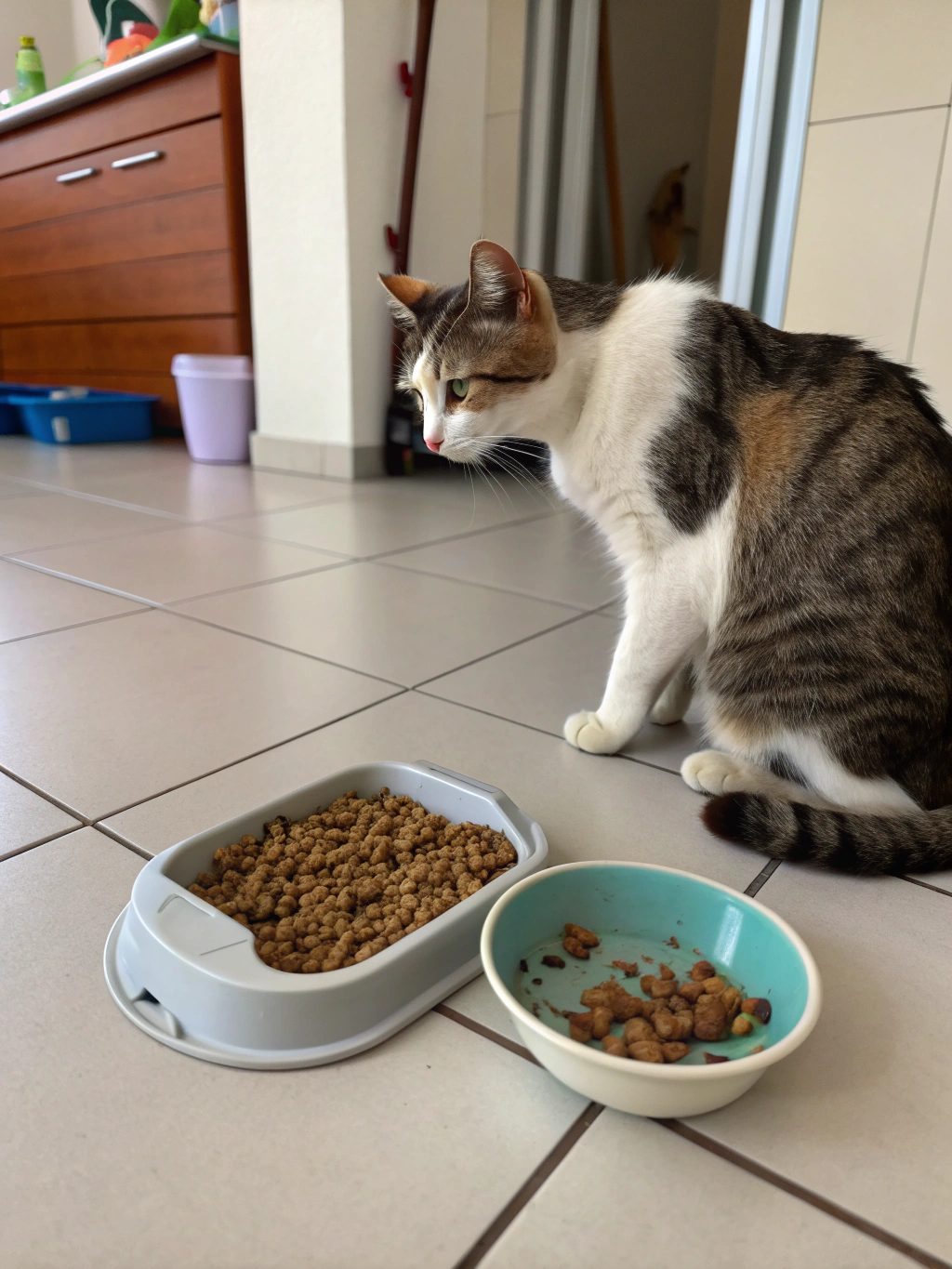
It can be incredibly worrying when your feline companion suddenly loses interest in food. A cat’s unique metabolism means that appetite loss can swiftly escalate into serious health complications, often faster than many pet owners realize. Understanding the critical signs that differentiate an emergency situation from one that can be managed at home is crucial for your cat’s well-being and recovery. This guide will equip you with the knowledge to identify these warning signals and act appropriately when your cat refuses to eat.
Understanding the Urgency: When to Seek Emergency Care
A cat refusing food for more than 24 hours necessitates immediate veterinary attention. This is particularly critical for overweight cats, as their bodies are more prone to developing a dangerous and rapidly progressing liver condition known as hepatic lipidosis, or fatty liver disease, when they cease eating. If your cat exhibits any additional alarming symptoms alongside appetite loss, such as difficulty breathing, a yellowish tinge to the eyes or gums, an inability to urinate, profound lethargy, or persistent vomiting, do not delay – rush them to an emergency veterinary clinic. Kittens and senior cats are also at a higher risk of rapid deterioration and require prompt care. It is always advisable to call the clinic ahead to confirm they can accommodate your cat without delay.
The Danger Zone: How Long is Too Long Without Food?
Generally, a cat should not go without food for longer than a single day. Their specialized metabolism can trigger significant liver problems if they don’t eat, a situation not commonly seen in many other animals. Overweight cats may develop complications even more rapidly. The exact timeframe can vary based on your cat’s age, weight, and general health. Kittens have higher nutritional needs and may require more frequent meals, while some healthy adult cats might tolerate slightly longer intervals. When in doubt, erring on the side of caution and seeking veterinary advice sooner rather than later is always the safest approach.
Red Flag Symptoms Accompanying Appetite Loss
Beyond a simple refusal to eat, several symptoms accompanying appetite loss are clear indicators of a serious problem requiring urgent veterinary assessment. These include labored breathing, extreme weakness or inability to stand, persistent hiding, vomiting, diarrhea, or any unusual discoloration of the gums or whites of the eyes (paleness or yellowing). A cat that appears disoriented or strains in the litter box without producing urine is experiencing a life-threatening emergency. Any drastic change in your cat’s behavior coupled with a loss of appetite warrants immediate attention. Trust your intuition; if your cat seems gravely ill, seek professional help without hesitation.
Common Reasons Behind Appetite Loss in Cats
Numerous factors, ranging from minor to severe, can cause a cat to stop eating. Common culprits include dental pain, digestive upset, underlying kidney disease, respiratory infections, and stress. Some cats may develop an aversion to food following an illness, or they might reject food that has been altered in temperature, texture, or flavor. Cats are naturally adept at hiding illness, meaning changes in eating habits can be one of the first noticeable signs that something is amiss. This underscores the importance of closely monitoring your cat’s feeding patterns for any sudden shifts.
Identifying Mild Cases of Appetite Decrease
Not all instances of reduced appetite signal an immediate crisis. A cat that skips a single meal but otherwise appears normal may be experiencing temporary stress or a minor stomach upset. Environmental changes, such as new furniture, visitors, or disruptions to their routine, can temporarily decrease appetite in sensitive felines. In these mild cases, observe for improvement within approximately 12 hours and ensure your cat continues to drink water. If normal eating habits do not resume quickly, or if any concerning symptoms emerge, contact your veterinarian.
Recognizing and Managing Serious Cases
Serious situations are typically characterized by a complete refusal of food for over 24 hours, or appetite loss accompanied by other significant symptoms. A cat exhibiting low energy, increased hiding behavior, or signs of pain requires prompt veterinary evaluation. Changes in breathing, persistent vomiting, or an unusual posture can point to serious underlying health issues. Cats with pre-existing conditions like diabetes or kidney disease face amplified risks when they stop eating, and rapid weight loss in conjunction with appetite decrease is a strong indicator of a potentially severe problem.
Your Action Plan: What to Do When Your Cat Won’t Eat
Step 1: Contact a Veterinary Professional
As soon as you notice your cat has not eaten for 24 hours, or sooner if other symptoms are present, reach out to your veterinarian or an emergency animal hospital. Provide a detailed account of all symptoms, including when you last observed your cat eating or drinking. Inquire whether immediate transport to the clinic is necessary or if home monitoring is appropriate. Focus your communication on your cat’s current condition and any recent behavioral or environmental changes. This precise information will assist the veterinary team in accurately assessing the urgency of the situation.
Step 2: Thoroughly Check for Additional Symptoms
While awaiting veterinary guidance, meticulously observe your cat for any other signs of illness. Examine their gums to see if they appear pale or yellow instead of their usual healthy pink. Note if their breathing seems faster or more labored than normal. Gently palpate your cat’s abdomen to check for tenderness or pain, noting any flinching or growling. Monitor their water intake and litter box usage, documenting all observations to share with the veterinary team.
Step 3: Prepare for Safe Transport
If veterinary care is required, use a secure and comfortable carrier for transporting your cat. Line it with soft bedding and consider adding an item with a familiar scent to help reduce their stress. Covering the carrier with a light towel can create a more calming, den-like environment. Bring any current medications your cat is taking, along with notes on recent symptoms or changes. Drive cautiously to minimize jostling the carrier and further distress.
Understanding Potentially Life-Threatening Conditions
When a cat refuses food, several serious underlying conditions may be at play. As mentioned, fatty liver disease can develop alarmingly fast, particularly in overweight cats, and requires intensive veterinary intervention. Other critical issues include pancreatitis (inflammation of the pancreas), kidney disease, and gastrointestinal blockages, all of which can cause severe pain and illness alongside appetite loss. Infections, cancer, and exposure to toxins can also initially manifest as a simple lack of appetite before more obvious symptoms arise. Early diagnosis and intervention are paramount for improving treatment outcomes.
Supportive Care Before Veterinary Arrival
Offering Palatable Food Options
Try presenting a small portion of warm, strong-smelling food that your cat has previously enjoyed. Gently warming the food can enhance its aroma and appeal. In some cases, hand-feeding small amounts might encourage a reluctant cat to eat. Crucially, never force food into your cat’s mouth, as this can induce stress and potentially lead to aspiration. If your cat continues to refuse food after gentle encouragement, do not persist and contact your veterinarian immediately for further feeding advice.
Ensuring Adequate Hydration
Make sure fresh, clean water is readily accessible in multiple locations around your home. Some cats have a preference for running water, so a pet fountain or a gently running faucet might be appealing. If your cat is not drinking, you can offer a small amount of low-sodium chicken broth (ensuring it contains no onion or garlic, which are toxic to cats) to encourage fluid intake. Closely monitor your cat’s water consumption and contact your veterinarian if they remain reluctant to drink, as dehydration can rapidly exacerbate any underlying health condition.
Proactive Measures for Preventing Future Appetite Loss
Establishing consistent feeding times in a quiet, low-stress environment is key. Maintain a steady diet, introducing any changes gradually over a period of 7-10 days to allow your cat’s digestive system to adapt. Ensure food and water bowls are kept clean and are situated separately from litter boxes. Regular veterinary wellness exams are essential for detecting potential health issues before they impact appetite. Promptly address any dental concerns, as oral pain is a common reason for cats to stop eating. Minimizing stressors within the household and providing environmental enrichment can also contribute significantly to your cat’s overall wellbeing and consistent appetite.
Expert Support for Your Feline Friend
We understand the significant concern that arises when your cat stops eating. Our dedicated veterinary teams are equipped to help you determine if your cat’s situation warrants emergency care or can be managed through a scheduled appointment. For milder symptoms, such as skipping a single meal without other worrying signs, home monitoring combined with scheduling a routine veterinary visit may suffice. However, for severe symptoms like complete food refusal for over 24 hours, breathing difficulties, or extreme lethargy, contacting an emergency veterinary hospital immediately is crucial. If you are uncertain about the severity of the situation, please reach out to us – we can provide guidance over the phone.
Key Takeaways for Concerned Pet Owners
- A cat not eating for more than 24 hours requires prompt veterinary evaluation, particularly for overweight cats who are at a higher risk of developing severe liver complications.
- Be vigilant for warning signs such as profound lethargy, vomiting, or changes in breathing patterns, which signal the need for emergency care.
- Always trust your instincts; if you are concerned about your cat’s health, seeking professional veterinary advice is invariably the most prudent course of action.
