
Cats are fascinating creatures with a wide range of behaviors, and hiding is one of the most common. Whether it’s a shy cat seeking refuge or a playful kitten ambushing a toy, understanding why your feline friend hides is key to providing them with a safe and enriching environment. This guide will delve into the instinctual, environmental, and health-related reasons behind feline hiding behavior, helping you determine when it’s a normal part of being a cat and when it might signal a cause for concern.
Cats, by nature, are both predators and prey. This dual role deeply influences their behavior, including their propensity to hide. In the wild, hiding is a crucial survival tactic, allowing them to stalk their prey effectively and, conversely, to evade larger predators. This instinct carries over into domestic life, where a cozy, dark hiding spot can offer a sense of security and a welcome escape from the hustle and bustle of a busy household. It’s a place where they can truly relax, take an uninterrupted nap, and recharge. For some cats, hiding is a self-soothing mechanism, helping them manage stress and feel safe.
The Instinctual Drive to Hide
The instinct to hide is deeply ingrained in a cat’s DNA. As both hunters and the hunted, cats have evolved to utilize concealment for survival. When stalking prey, a hidden position allows them to approach undetected, increasing their chances of a successful hunt. Conversely, when feeling threatened or vulnerable, hiding provides a shield against potential danger from larger animals or perceived threats. This innate drive means that even in a secure home environment, cats will naturally seek out confined, dark spaces that mimic the safety of a den or burrow.
Hiding as a Stress-Reliever and Comfort Zone
A cat’s home is their territory, and within it, they seek out places where they feel most secure and comfortable. Hiding spots often provide a sense of control and privacy, especially in a multi-pet household or a home with frequent visitors. A warm, dark, and quiet nook can be a sanctuary, offering a respite from overwhelming stimuli. For cats who are naturally shy or anxious, these private retreats are essential for managing their stress levels and maintaining a sense of well-being. This is why you might notice your cat disappearing when the doorbell rings or when a new person enters the house; they are simply seeking their personal haven.
When Hiding Signals Illness or Discomfort
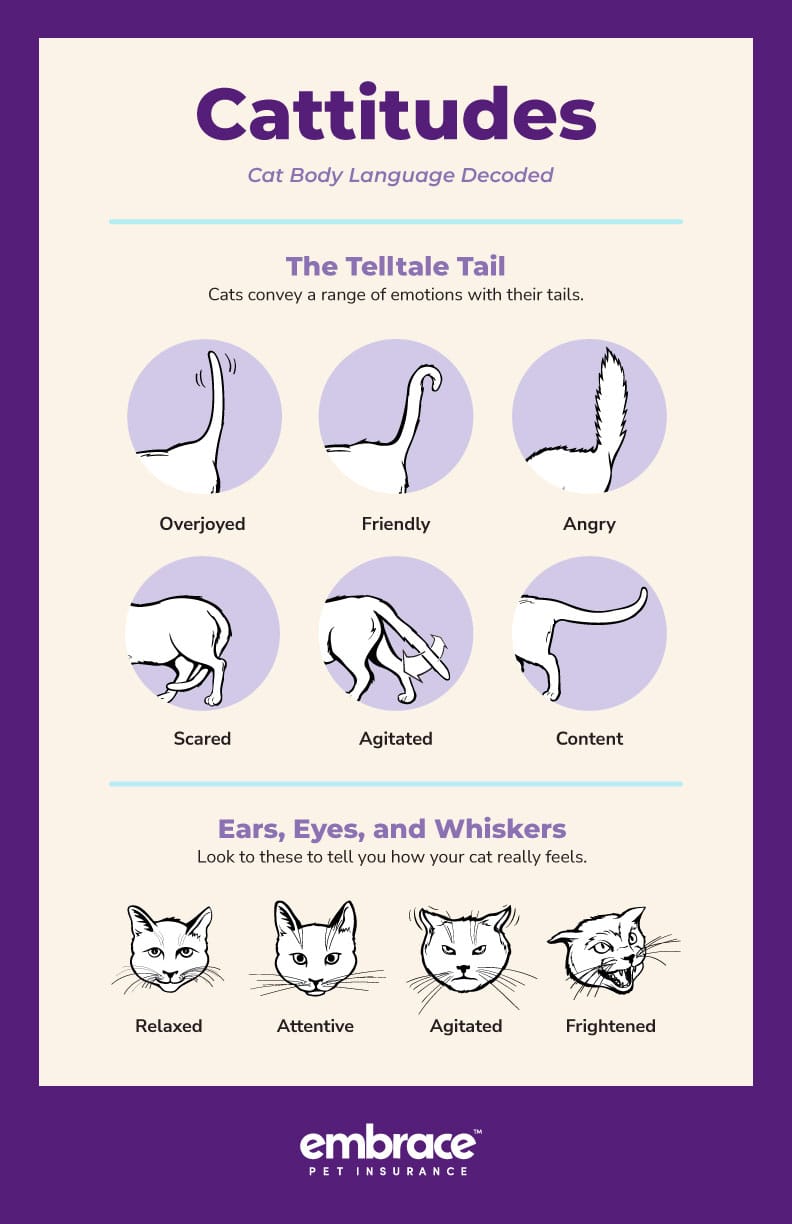
While hiding is a normal cat behavior, a sudden or prolonged increase in hiding can be a red flag indicating that something is amiss. Cats are adept at masking pain and illness, and their instinct to hide when unwell is a survival mechanism to avoid appearing vulnerable. If your cat is suddenly spending an unusual amount of time hidden away, or if their hiding behavior changes dramatically, it’s crucial to consult a veterinarian. This could be a sign of underlying medical issues, pain, or discomfort that requires professional attention.
Signs of Excessive Hiding
Excessive hiding is when the behavior begins to interfere with a cat’s essential daily activities. This includes not coming out to eat or drink for extended periods, or neglecting to use the litter box. If you notice your cat hasn’t emerged from their hiding spot to eat in over 24 hours, a veterinary visit is highly recommended. Even if your cat is still eating and using the litter box, a significant increase in hiding could point to behavioral problems. For instance, a cat might hide to escape bullying from another pet in the household. In such cases, ensuring that resources like food bowls, water stations, and litter boxes are available in multiple, easily accessible locations is vital.
Observing Hiding Patterns
Paying attention to when and where your cat chooses to hide can provide valuable insights into their needs and emotional state. You might notice patterns related to your home environment, the time of day, or even the season. For example, cats may seek out warmer spots during colder months, or retreat to quieter areas when the household becomes more active. Many cats are crepuscular, meaning they are most active during dawn and dusk, mirroring the activity patterns of their natural prey. This can influence their hiding habits, with some cats preferring to be more active during these times and seeking refuge during the day or night. Your cat might have a preferred spot for lounging and another for seeking absolute privacy or escape. These preferences can also evolve over time.
Creating Safe and Appropriate Hiding Spots
As a cat guardian, you play a role in guiding your cat’s hiding behaviors. While it’s important to allow your cat safe spaces to retreat, you also have the discretion to discourage hiding in potentially dangerous areas. If your cat favors small, dark spaces, you can provide alternatives that mimic these qualities, such as cardboard boxes with blankets inside, or cat condos with enclosed sections. It’s important to never startle a cat out of a hiding spot, yell at them, or use aversive methods like spraying water, as this can induce fear and damage your bond. Instead, if you wish to deter your cat from a specific area, consider using scents they dislike (like citrus or peppermint), or placing uncomfortable textures like carpet runners with nubs facing upwards. Double-sided tape on placemats can also be an effective deterrent.
Dangers to Avoid: Unsafe Hiding Places
Certain locations in a home pose significant risks to cats seeking a warm hiding place. Appliances like clothes dryers are particularly hazardous. Cats have been known to hide inside these machines, sometimes with fatal consequences, especially if they are in a pile of clothes that are then put through a drying cycle. It is paramount to ensure that laundry room doors are kept closed to prevent cats from accessing these dangerous appliances. For cats who enjoy warmth and soft fabrics, consider providing heated cat beds designed with pressure-activated warming elements. These can be placed in sunny windows or quiet corners, and adding familiar scents with old towels or t-shirts can make them even more appealing.
Enhancing Your Cat’s Environment with Hiding Opportunities
Beyond simply allowing hiding, you can proactively enhance your cat’s environment by providing stimulating and safe places for them to explore and rest. A simple cardboard box turned on its side, perhaps with a soft bed inside, can offer hours of entertainment and security. If your cat enjoys hiding under furniture like beds, you can make these spots more comfortable by placing a towel or blanket underneath. Hanging a blanket over a chair can create an instant fort. Providing a variety of new hiding and resting spots not only satisfies their instinctual needs but also enriches their lives, reducing boredom and stress. This enrichment is vital for a cat’s overall well-being.
In conclusion, understanding why cats hide is essential for responsible pet ownership. While hiding is a natural and often healthy behavior, it’s crucial to be observant of any changes in your cat’s routine. By recognizing their need for safe spaces and being aware of potential warning signs, you can ensure your feline companion feels secure, comfortable, and healthy. Letting your cat be a cat, complete with their instinctual need to find a good hiding spot, is a fundamental aspect of providing them with a happy and fulfilling life.
