
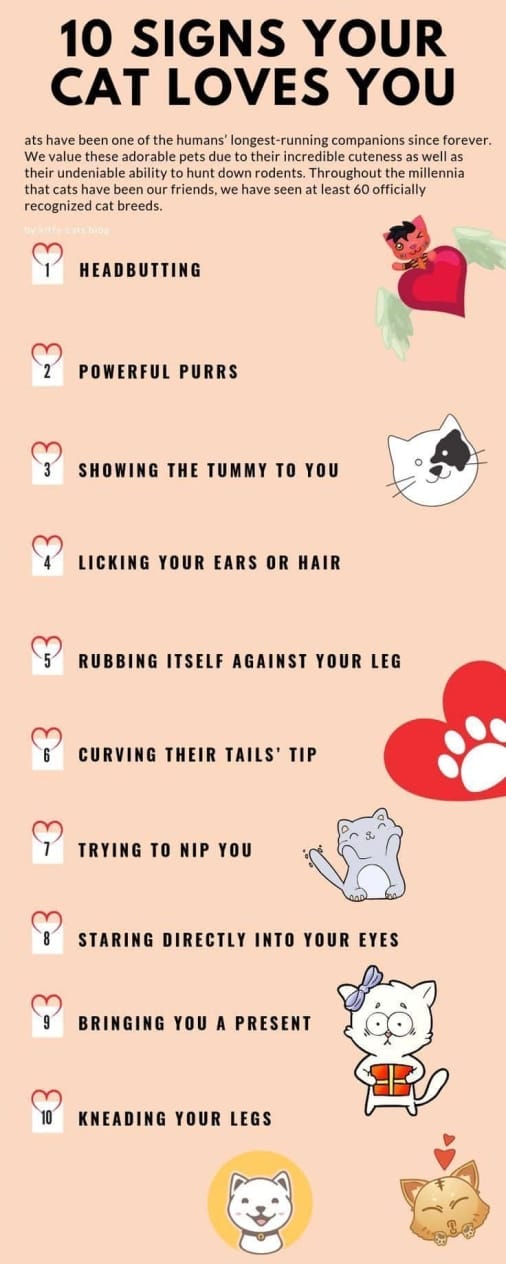
Cats express their love and build bonds in various ways, and one of the most endearing is the gentle headbutt, often referred to as “bunting.” This behavior, far from being aggressive, is a profound display of affection, trust, and a desire for connection. Understanding why your feline companion headbutts you can deepen the bond between you. This article explores the reasons behind cat headbutting, its significance in feline social dynamics, and how it contributes to a cat’s sense of security.
The Science Behind the Bump: Scent Glands and Territory
Cats possess specialized scent glands located on their heads, specifically on their temples, cheeks, and between their eyes and ears. These glands release pheromones, chemical signals that cats use to mark their territory and communicate their emotional state. When a cat headbutts a person or an object, they are intentionally depositing their scent, thereby marking it as familiar and safe. This act is deeply rooted in a cat’s instinct to establish a secure environment. By leaving their scent, cats create a sense of comfort and belonging, reinforcing their territory and the individuals within it. This marking behavior is not just about claiming territory; it’s a fundamental aspect of how cats establish a feeling of safety and predictability in their world.
More Than Just Scent: A Social Signal of Trust and Belonging
Cat headbutting, or bunting, is also a significant social behavior. In the wild, cats would engage in communal bunting with members of their colony. This sharing of scent acted as a powerful sign of trust and solidarity, reinforcing group cohesion and mutual affection. When your cat headbutts you, they are essentially extending this ancient social ritual to you, indicating that they consider you a trusted member of their “colony” or family. It’s a clear signal that they feel safe, secure, and deeply connected to you, viewing you as a close companion and a vital part of their social circle. This gesture signifies a profound level of trust and affection, elevating the human-animal bond.
Early Life Lessons: Headbutting in the Litter
The habit of headbutting often begins in kittenhood. Kittens will playfully bunt their littermates as a way to build bonds and express affection within their immediate family group. This early social interaction teaches them the value of physical contact and scent marking as a means of communication and connection. These early experiences shape their social behavior throughout their lives, influencing how they interact with other cats and their human companions. This learned behavior underscores the importance of social interaction and physical closeness in a cat’s development and well-being.
Headbutting with Other Cats and Objects
The tendency to headbutt isn’t limited to interactions with humans. Cats will often headbutt other familiar cats in their household as a way to reaffirm their friendship and social standing. This mutual scent marking helps maintain harmony within a multi-cat environment, provided there are sufficient resources to prevent competition. Similarly, cats may headbutt furniture, doorways, or other objects in their environment. This behavior serves to reinforce their sense of territory and confirm that their surroundings are safe and familiar. It’s a way for them to integrate their scent into their environment, making it feel more like home.
Seeking Attention: A Subtle Request
While often a sign of deep affection, headbutting can also be a cat’s way of seeking attention. If your cat bumps their head against you and tucks their head slightly to one side, they might be inviting you to offer a head scratch or some gentle petting. Cats learn which behaviors elicit positive responses from their humans, and a well-timed headbutt can often result in the desired attention and physical affection, which is a reinforcing cycle for the cat. This tactic, often combined with a gentle purr, is a clear indication that they are seeking interaction and favor.
When Cats Don’t Headbutt: Other Signs of Affection
It’s important to remember that not all cats express affection in the same way. Some cats are naturally more reserved or may not have the same inclination to headbutt. The absence of headbutting does not signify a lack of love or trust. Cats display affection through a variety of behaviors, including slow blinking (often called “kitty kisses”), greeting you at the door, rubbing against your legs, purring, and kneading. A cat with an upright tail and a loud purr is clearly expressing happiness and contentment in your presence. Recognizing these diverse signals allows for a more complete understanding of your cat’s emotional state and their unique ways of showing love.
Supporting Serenity with FELIWAY Optimum
For cats that may experience stress or anxiety, particularly in dynamic environments with visitors or household changes, products like FELIWAY Optimum can offer support. By utilizing a new Feline Pheromone Complex, this product aims to promote a sense of serenity and well-being, helping cats feel more comfortable and relaxed at home. This can, in turn, positively influence their social interactions and overall confidence, making them more receptive to bonding behaviors like headbutting. When a cat feels secure and less stressed, their capacity for affectionate displays naturally increases.
