
Cats, often perceived as independent creatures, can indeed experience separation anxiety, mirroring the attachment issues seen in dogs and even children. Research indicates that a significant majority of cats form secure attachments with their human caregivers, experiencing less stress when in their presence. This underlying attachment, while a sign of a healthy bond, can sometimes manifest as distress when the cat is left alone. Understanding the signs, causes, and effective management strategies is crucial for pet parents seeking to alleviate their feline companions’ anxiety.
Signs of Separation Anxiety in Cats
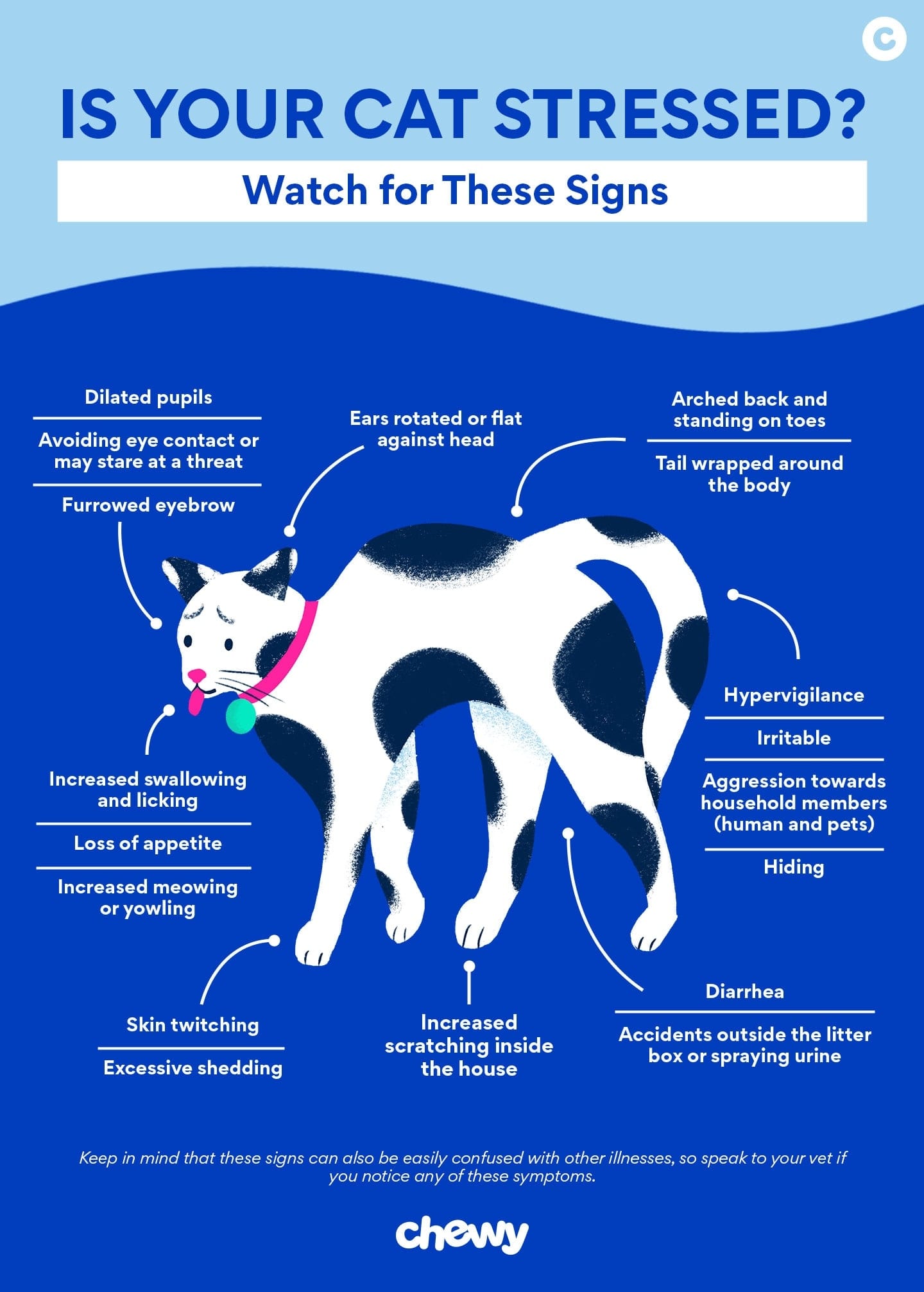
Separation anxiety in cats can present itself through a variety of behavioral changes when they are separated from their owners. These can include:
- Elimination outside the litter box: This is a common indicator, with some studies noting that cats may exclusively urinate or defecate on their owner’s bed.
- Excessive vocalization: Some cats may yowl or cry excessively, sometimes while carrying a favorite toy.
- Destructive behaviors: This is more frequently observed in male cats.
- Over-grooming: Female cats are more prone to this sign of distress.
- Hyper-attachment: The cat may constantly seek physical contact and attention when the owner is present.
Causes of Separation Anxiety in Cats
Several factors can predispose a cat to developing separation anxiety. These can include:
- Sex: Female cats are diagnosed with separation anxiety more often than males.
- Environment: Cats that live exclusively indoors and have only one primary caregiver are more susceptible. The absence of other pets in the household can also contribute.
- Early life experiences: Being orphaned, weaned too early, or bottle-raised can play a role.
- Changes in routine: A sudden shift in a cat’s daily schedule, such as a move, a change in ownership, or a caregiver transitioning from working at home to working outside the home, can trigger or worsen anxiety.
Diagnosing Separation Anxiety in Cats
Because the symptoms of separation anxiety can overlap with other health issues, a veterinarian will first conduct a thorough medical workup to rule out underlying physical conditions. This typically involves a physical examination, blood tests, and urine tests. Your vet will also inquire about your cat’s behavior patterns. Providing a video recording of your cat’s behavior when they are home alone can be invaluable for accurate diagnosis.
Strategies to Relieve Separation Anxiety in Cats
Addressing separation anxiety in cats involves a multi-faceted approach, including environmental management, potential pharmaceutical intervention, and behavior modification techniques.
Environmental Management
Modifying your cat’s environment can significantly reduce anxiety. Consider these strategies:
- Provide Enrichment Activities: Keep your cat engaged with mentally stimulating activities. This can include specialized cat TV shows, treat-dispensing toys, or puzzle feeders. Engaging in “food hunting” through puzzle feeders before you leave can divert their attention.
- Reinforce Calm Behavior: Ignore attention-seeking behaviors and instead, reward your cat when they are calm and independent. Offer praise or a treat when they are resting or stop meowing for attention. Maintain a calm demeanor when leaving and returning home, and only provide attention once your cat has settled. Pheromone products, such as diffusers or collars, may also have a calming effect.
- Establish a Consistent Routine: Predictable schedules are highly beneficial for anxious pets. Adhering to a consistent daily routine can provide a sense of security.
Pharmaceuticals and Nutraceuticals
If environmental changes alone are insufficient, your veterinarian might suggest supplements or medications. Supplements can offer a moderate improvement, while prescribed medications aim for a more significant reduction in anxiety symptoms. Some cats may benefit from short-acting medication before departures, while others require longer-acting options. These interventions aim to adjust brain chemistry, helping your cat cope with stress and engage more effectively with behavior modification. It’s important to note that the goal is to achieve the happiest, least-stressed version of your pet, not to alter their personality. Medications can be adjusted or stopped if side effects occur, and many cats can be on them long-term safely. Medications can help cats cope with stressful situations more easily and can help them make progress with behavior modification therapies.
Behavior Modification
Behavior modification aims to teach your cat coping skills and alter their emotional responses to stressors.
- Relaxation Exercises: Consistently reward your cat when they exhibit signs of relaxation, such as lying down, sighing, or having a loose tail. Pairing relaxation with a specific item, like a mat, can create a conditioned response. Once learned, you can gradually incorporate parts of your departure routine while your cat is in this relaxed state, slowly progressing to leaving the house for short periods.
- Counterconditioning: This technique helps change a negative emotional response to stressful cues (like putting on shoes) into a positive one. For instance, pick up your keys, give your cat a treat, and then put the keys down. This should be done consistently. This method is effective only if your cat’s stress level remains low. If your cat doesn’t show anticipation for a treat after this exercise, medication might be necessary.
Methods to Avoid for Separation Anxiety in Cats
Certain commonly suggested methods can inadvertently worsen separation anxiety:
- Getting an Additional Cat: Unless introducing kittens or littermates, adding another cat can create more stress and conflict. There’s no guarantee of compatibility, and the introduction process itself can be a source of anxiety.
- Punishment or Confinement: Punishing a cat for anxious behaviors is counterproductive and exacerbates stress. Cats experiencing separation anxiety have an illness, not a behavioral issue stemming from spite. Confinement can also increase anxiety in pets already panicking when left alone.
Preventing Separation Anxiety in Cats
While it’s impossible to guarantee prevention, certain steps can reduce the likelihood of your cat developing separation anxiety:
- Choose Confident Companions: When adopting, opt for confident, well-socialized kittens or adult cats. Littermates or bonded pairs can provide each other with company, lessening dependence on humans.
- Encourage Independence: Foster independence by allowing your cat to spend time alone as part of their normal routine. Reward them for seeking out time away from you.
- Keep Departures Low-Key: Make your departures and arrivals as unremarkable as possible. A calm, consistent phrase when leaving can be helpful.
- Utilize Enrichment: Safe outdoor exploration, such as through catios or leashed walks, can provide significant enrichment if your cat enjoys it.
Addressing separation anxiety requires patience and understanding. Early diagnosis and treatment offer the best prognosis. If you notice any concerning signs, consult your veterinarian. For complex cases, a veterinary behaviorist can provide specialized expertise. You can also find a board-certified veterinary behaviorist through online directories.
References
Vitale K, Behnke A, Udell M. Attachment bonds between domestic cats and humans. Current Biology. 2019: 29(18).
Schwartz S. Separation anxiety syndrome in cats: 136 cases (1991-2000). JAVMA. 2002: 220(7); 1028-1033.
Schwartz S. Separation anxiety syndrome in dogs and cats. JAVMA. 2003: 222(11); 1526-1532.
