
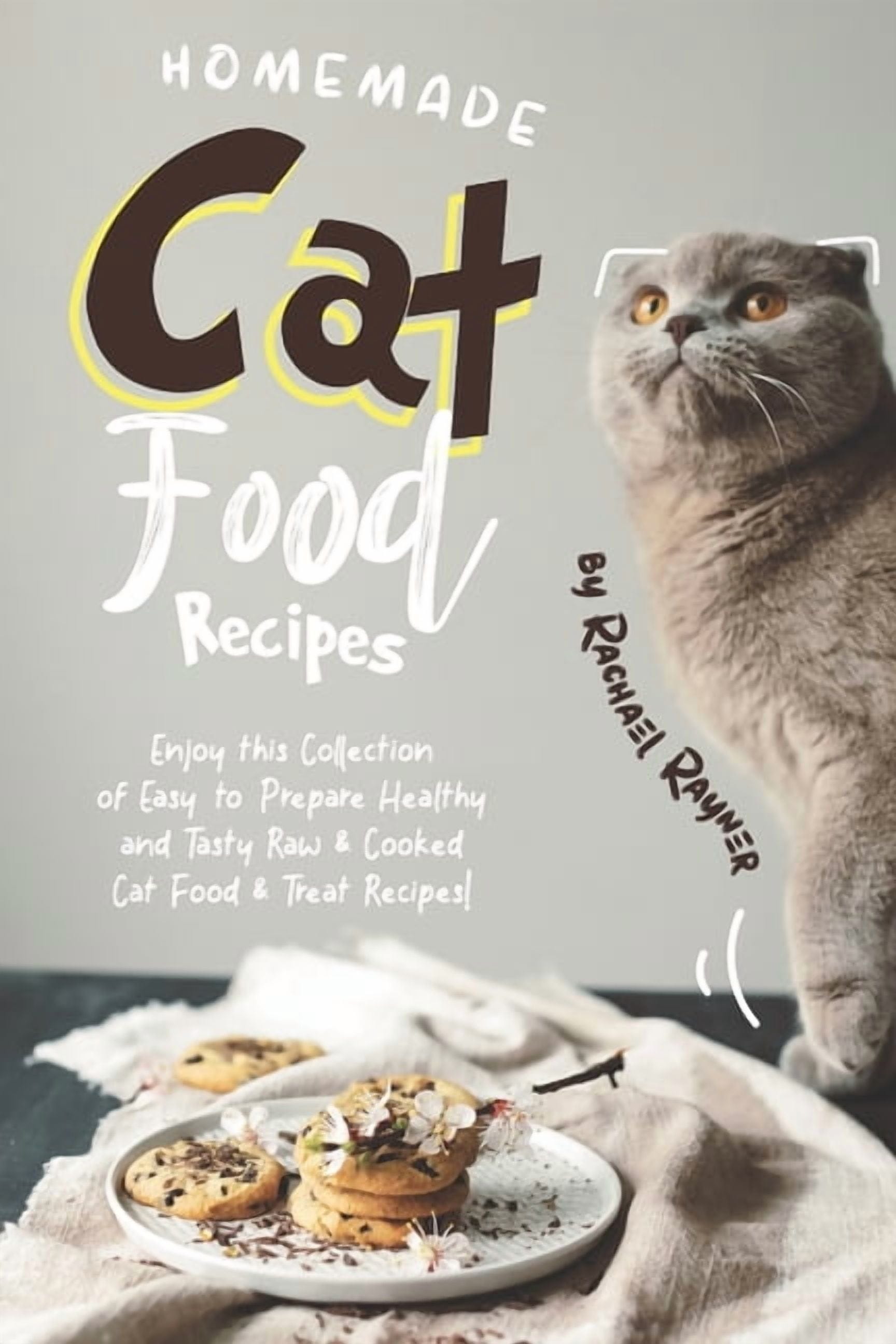
As devoted cat guardians, we aspire to provide our beloved companions with the absolute best, and that starts with their diet. The world of cat food is vast and often confusing, with a plethora of options ranging from kitten formulas to senior diets, dry kibble to wet pâtés, and specialized recipes for various health needs. Understanding these choices is crucial for ensuring your cat thrives throughout its life. This comprehensive guide, the “Cat Food Bible,” aims to demystify feline nutrition, empowering you to make informed decisions for your furry family member. Recent studies suggest that pets maintained at an optimal nutritional standard and lean body condition can enjoy up to two additional years of life. Imagine the extra years of cuddles and purrs! Whether you’re welcoming a new kitten, contemplating a dietary change for your adult cat, or seeking the best for your senior companion, this guide is your indispensable resource.
Chapter 1: Exploring the Diverse World of Cat Food Types
Navigating the diverse landscape of cat food can be overwhelming, with differing opinions and specialized terminology. Each food type boasts unique preparation, storage, and digestive characteristics, alongside varying macronutrient profiles. To kickstart your journey, this guide delves into the six primary categories of cat food. Remember, if your cat has a pre-existing health condition, always consult your veterinarian before selecting a new food type.
1. Dry Cat Food (Kibble)
Dry cat food, commonly known as kibble or biscuits, is a popular choice due to its affordability and convenience. Its low moisture content contributes to its crunchy texture. If opting for dry food, ensuring your cat has constant access to fresh water is paramount.
Key Considerations:
- Carbohydrates: To maintain its shape, kibble requires carbohydrates, which should ideally constitute only 10-15% of a cat’s diet, as cats are obligate carnivores needing high animal protein.
- Protein Content: Look for dry food with at least 70% animal protein and easily digestible carbohydrates like white rice.
- Pros: Convenient storage at room temperature, long shelf life, and cost-effectiveness make it ideal for “grazers.”
- Cons: Many brands contain unhealthy additives such as salt, sugar, artificial preservatives, or high levels of indigestible carbohydrates. Some may also use low-quality protein sources like animal derivatives or pea protein.
- Dental Health Myth: While the crunchy texture is thought to aid dental hygiene, cats often swallow kibble whole. For improved dental care, consider specialized dental treats.
- Storage: Store in a cool, dry place in an airtight container to maintain freshness and prevent pest infestation.
2. Wet Cat Food (Pâté)
Wet cat food is characterized by its higher moisture content and pâté-like or shredded consistency. Often gently steamed, it offers a palatable option for even the pickiest eaters.
Key Considerations:
- Hydration: Wet food is an excellent way to ensure adequate hydration, particularly for cats who don’t drink enough water or those with kidney issues, as often recommended by veterinarians.
- Pros: Generally less processed than dry food, often richer in protein and fat, and its high water content supports kidney and urinary tract health. It can also be useful for administering medication.
- Cons: Spoils quickly if left out and requires consumption within approximately 30 minutes. It’s less calorically dense than dry food, potentially requiring larger portions and thus being more expensive.
- Storage: Unopened cans can be stored in a cool, dry place. Once opened, refrigerate in an airtight container and use within a few days.
3. Raw Cat Food (Uncooked)
Raw cat food typically consists of uncooked meat, bones, and offal, mimicking a cat’s natural prey. However, raw diets carry a significant risk of bacterial contamination (e.g., Salmonella, E. coli) and are generally not recommended by veterinarians.
Key Considerations:
- Risks: Harmful bacteria and parasites are not eliminated without cooking, posing a risk to both the cat and humans through cross-contamination.
- Storage: Must be stored frozen, defrosted in the refrigerator, and consumed within 24 hours. Never refreeze after serving.
4. Fresh Cat Food (Cooked)
Similar to wet food, fresh cat food is usually pre-portioned and delivered directly to consumers, often requiring frozen storage. It tends to be more expensive due to specialized transportation and packaging.
Key Considerations:
- Portion Control: Pre-portioned meals aid in managing weight and preventing obesity and conditions like diabetes.
- Cons: Requires defrosting before serving and can be inconvenient for busy owners. Higher water content means lower caloric density, which requires careful management for kittens. Environmental impact due to transportation is a consideration.
- Storage: Store frozen and defrost in the refrigerator. Consume within 24-48 hours after defrosting.
5. Homemade Cat Food
This category encompasses any food prepared by the owner at home, which can be raw, cooked, dry, or wet. Vets generally advise against homemade diets due to the difficulty in achieving a nutritionally complete and balanced meal, especially for kittens and nursing cats. If opting for homemade food, consult a veterinarian for guidance on approved recipes.
6. Complete vs. Complementary Cat Food
- Complete Cat Food: Nutritionally balanced, providing all the essential nutrients for a cat’s daily needs.
- Complementary Cat Food: Lacks sufficient nutrients to be fed as a sole food source; examples include cat treats and meal toppers.
Chapter 2: Understanding Feline Dietary Needs
Cats are obligate carnivores, meaning their diet must primarily consist of animal-based protein to thrive. Unlike herbivores and omnivores, they cannot efficiently synthesize essential amino acids from plant matter.
Essential Nutrients for Cats:
- Protein: Crucial for building tissues, providing energy, and supplying essential amino acids (11 of which cats cannot produce themselves). A high-protein diet, with at least 70% from animal sources, is vital.
- Taurine: An essential amino acid critical for heart function, vision, and digestion. Legally, all commercially sold cat food must contain added taurine.
- Arginine: Another essential amino acid found abundantly in white meats like chicken, important for ammonia detoxification.
- Fats/Oils: Primary energy source and provide essential fatty acids like Omega-3 and Omega-6 for brain and heart health.
- Carbohydrates: Should constitute only 10-15% of the diet, as cats have a limited ability to digest them. Easily digestible options like white rice can be beneficial in small amounts.
- Vitamins and Minerals: Cats require a range of vitamins (e.g., Vitamin D, Vitamin A) and minerals (e.g., phosphorus, calcium, zinc) which must be obtained from their diet.
- Water: Essential for all bodily functions. Due to a diminished instinctual drive to drink, providing constant access to fresh water or feeding wet food is crucial for hydration.
Chapter 3: Decoding Cat Food Labels
Reading a cat food label effectively is key to selecting the best nutrition for your cat. Here’s a breakdown of what to look for:
- Recognizable Ingredients: Opt for foods with simple, recognizable ingredients, avoiding complex chemical names.
- Specific Ingredient Listings: Be wary of vague terms like “meat and animal derivatives.” Look for precise ingredient names.
- Ingredient Count: Generally, fewer ingredients (under 10) indicate easier digestibility.
- First Ingredient: A named, high-quality animal meat should be the first ingredient, signifying its primary presence.
- Meat Form: Fresh, frozen, or dried meat can all be high-quality. Adjust comparisons based on water content.
- Ingredient Grouping: Avoid brands that split similar ingredients (e.g., various forms of corn) to manipulate the ingredient ranking.
- Whole Grains: Prefer whole grains like white rice over processed forms like rice flour.
- Natural Preservatives: Choose foods with natural preservatives (e.g., tocopherols, antioxidants) over artificial ones.
Chapter 4: Ingredients to Avoid
Certain human foods are toxic to cats and should never be fed to them. These include chocolate, onions, garlic, alcohol, grapes, and raisins. Additionally, most cats are lactose intolerant due to a lack of the lactase enzyme needed to digest milk sugar. While they might enjoy the taste, dairy products can cause digestive upset. Observing your cat’s stool can provide insights into their digestive health; healthy stools are firm and brown, while changes like looseness or black/green coloration warrant a veterinary visit.
Chapter 5: Nutritional Needs Across Life Stages
Kitten Food (8 weeks to 1 year)
Kittens undergo rapid growth and require food with higher levels of calories, protein, fat, vitamins, and minerals. Kitten food often includes DHA and AA for brain and eye development. Kittens begin weaning at around 4 weeks and benefit from softened food until their teeth fully emerge. It’s advisable to maintain their current food for the initial days after adoption, gradually transitioning to a new diet over 7-10 days if necessary. Overfeeding should be avoided to prevent future health issues.
Adult Cat Food (1-7 years)
Adult cat food is formulated to maintain a healthy weight and provide essential nutrients for less active adult cats. Portion control is key, and calculating daily calorie needs based on weight and activity level is recommended. A gradual transition over 7-10 days is advised when switching brands. Cats are notorious for being fussy eaters, so experimenting with flavors or textures might be necessary. Feeding dogs’ food is not recommended as it doesn’t meet the specific nutritional requirements of obligate carnivores.
Senior Cat Food (7+ years)
As cats age, their metabolism slows, requiring fewer calories. While specialized senior food is available, reducing the quantity of adult cat food is often sufficient. Monitoring food and water intake is crucial, as changes can indicate underlying health issues like kidney disease or diabetes. Senior cats may also develop dental problems, making wet food a more palatable option if they struggle with dry kibble. Consulting a vet for dietary recommendations, especially for cats with health conditions, is essential.
Chapter 6: Treats and Special Dietary Needs
Cat treats are considered complementary foods and should be given in moderation, as they contribute to daily calorie intake. Opt for natural treats high in animal protein and free from added sugars, salt, and artificial additives. For cats with health issues like pancreatitis, diabetes, dental disease, or kidney disease, specific dietary management is crucial. This often involves highly digestible, protein-rich diets, controlled phosphorus levels, and adequate hydration, always under veterinary guidance.
Chapter 7: Eco-Friendly Cat Food Choices
Sustainability is an increasingly important consideration. Choosing cat food with ethically sourced ingredients, minimal processing, and eco-friendly packaging (recyclable or compostable) can reduce environmental impact. Foods made from byproduct meat, fish, or poultry often have a lower carbon footprint than those relying heavily on red meat. Wet food generally has a higher environmental impact than dry food due to its weight and water content during transportation. Supporting brands committed to environmental responsibility, such as those with certifications like MSC or ASC, aligns with eco-conscious values.
By understanding these principles, you can confidently navigate the world of feline nutrition, ensuring your cat receives a diet that supports a long, healthy, and happy life.
