
Cystitis, a painful inflammation of the bladder or urethra in cats, is a common ailment that can cause significant distress to our feline companions. While it’s not always possible to prevent it entirely, understanding the contributing factors, particularly diet, can greatly reduce the likelihood of your cat suffering from this condition. Switching to a high-protein, wet food diet tailored to a cat’s natural dietary needs can significantly improve their urinary tract health. This guide explores the causes of cystitis, the role of diet in prevention and management, and how to choose the best Cat Food For Cystitis.
Understanding Cystitis and Feline Lower Urinary Tract Disease (FLUTD)
Feline Lower Urinary Tract Disease (FLUTD) is an umbrella term encompassing various conditions affecting a cat’s bladder and urethra. Symptoms often include increased urination frequency, difficulty or pain during urination, bloody or cloudy urine, and straining. The most common types of FLUTD are cystitis, bladder stones or crystals, and urethral blockages.
Cystitis in Cats
Cystitis, an inflammation of the bladder or urethra, can stem from several causes, including bacterial, fungal, parasitic, or viral infections, as well as kidney problems, diabetes, or unspecified causes like feline idiopathic cystitis (FIC). While bacterial infections are common culprits, cystitis often arises as a secondary issue to other underlying conditions, such as bladder stones or crystals.
Bladder Stones or Crystals
Approximately 20% of cystitis cases in cats are linked to bladder stones or crystals. The most prevalent types include:
- Struvite crystals: Formed from ammonium, phosphate, and magnesium, these can precipitate when these elements combine in the bladder.
- Oxalate crystals: These occur when a cat’s body produces excessive calcium oxalate, a natural waste product. Certain breeds like Persians, Burmese, Siamese, and Himalayans are more predisposed, as are older, neutered, or overweight cats.
Urethral Blockages
Though rarer, urethral blockages can impede urine flow, leading to acute cystitis. This condition requires immediate veterinary intervention, often involving surgical removal of the obstruction.
The Impact of Diet on Cystitis
While veterinary treatment is essential for infections, diet plays a crucial role in maintaining urinary tract health and preventing future occurrences, especially for idiopathic conditions. Two key dietary factors influence bladder health: water intake and food ingredients.
Water Intake
Cats naturally have a low thirst drive. Feeding dry food, which contains only 10-12% moisture, can exacerbate urinary issues. Wet food, with 75-78% water content, significantly increases hydration, helping to keep the bladder healthy. Providing fresh water in bowls or using a cat fountain can also encourage more fluid consumption.
Food Ingredients
Cats are obligate carnivores, evolved to thrive on a diet of prey rich in animal protein. Many commercial cat foods deviate from this natural pattern, potentially impacting urinary tract health.
- Protein and Acidity: Animal protein helps maintain the optimal acidic pH (6.2-6.6) in a cat’s urinary tract, which is crucial for preventing the formation of struvite and oxalate crystals that thrive in a less acidic environment (pH over 6.6).
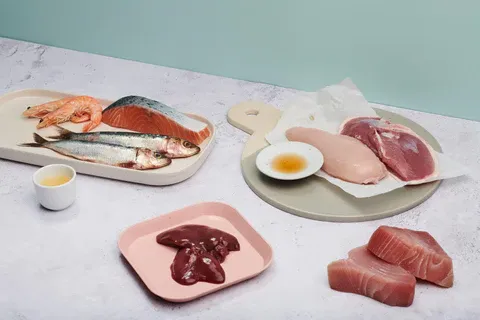
- Biological Value of Proteins: The efficiency with which cats metabolize protein is measured by its biological value. Animal proteins like chicken (98% BV), salmon, sardines, prawns, and tuna (94% BV) are far superior to plant-based proteins like soya (68% BV) or other vegetable proteins (below 65% BV). Foods with over 90% protein content are beneficial for maintaining urinary tract health.
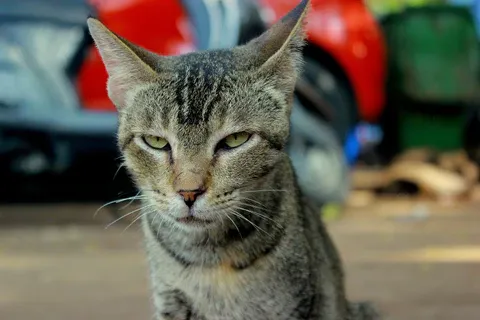 A cat looking displeased at its food bowl.
Sufficient Animal Fat
Animal fat provides essential fatty acids like omega-3 and omega-6, which help regulate inflammation and maintain cell structure. Commercial cat foods often use high levels of carbohydrates for energy, as fat is more expensive. However, cats are not efficient at processing carbohydrates, leading to excess glucose being stored as fat. High carbohydrate diets can result in lethargy, weight gain, and strain on the pancreas. Choosing a diet high in protein and low in carbohydrates supports natural weight management and energy levels.
Essential Vitamins and Minerals
While cats need various vitamins (A, D, E, B complex) and minerals (calcium, zinc, magnesium) for optimal bodily function, excessive amounts of certain minerals, particularly magnesium and calcium, can contribute to bladder stone formation. It’s crucial to select foods with balanced mineral content.
Reading Pet Food Labels
Understanding pet food labels is key to making informed choices.
- Ingredients List: Ingredients are listed by volume, with the primary ingredient being meat. Vague terms like “meat derivatives” should be approached with caution. Be wary of manufacturers splitting common ingredients (like corn) into multiple forms to push meat further down the list. The product description also indicates meat content: “Flavoured with” (<4%), “With” (4-14%), “Rich in” (15-24%), and the meat type alone (>26%).
- Guaranteed Analysis: For optimal urinary tract health, cat food should ideally contain:
- Over 50% animal protein
- Up to 20% fat
- A maximum of 3% carbohydrates/fiber
How Untamed Cat Food Supports Urinary Health
Untamed offers a range of high-quality cat food formulated to support urinary tract health and prevent conditions like cystitis and bladder stones.
Key Benefits of Untamed Cat Food:
- High Protein Content: Untamed meals provide more than double the typical amount of animal protein found in commercial cat foods. This ensures cats receive essential amino acids for muscle tone, coat health, appetite regulation, and maintaining the correct urinary tract acidity.
- Human-Grade Ingredients: We use only the finest ingredients, free from allergens, artificial additives, and harmful substances, ensuring your cat receives safe and nutritious meals.
- Hypoallergenic Recipes: Our recipes are hypoallergenic, making them suitable for even the most sensitive cats. Options like Chocka Chicken and Tuck-in Tuna are single-protein recipes ideal for cats with delicate stomachs.
- Gentle Steaming: Our food is gently steamed to preserve nutrients and eliminate harmful bacteria, ensuring maximum goodness in every bite. All recipes are vet-formulated.
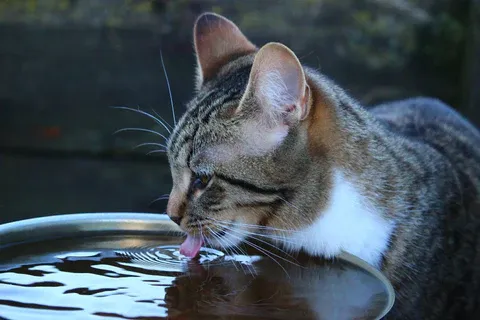 A cat drinking water from a fountain.
Beyond Diet: Other Factors Contributing to FLUTD
While diet is paramount, other factors can influence urinary tract health:
Stress
Stress is a significant trigger for Feline Idiopathic Cystitis (FIC). Sudden changes in environment, new pets, disruptions to routine, or even changes in household members can cause anxiety. Maintaining a predictable environment and gradual introductions can help mitigate stress.
Overweight Cats
Overweight cats have a higher risk of developing cystitis and other FLUTD conditions, in addition to other health issues like diabetes and arthritis. Implementing a weight management program is crucial for their overall well-being.
Age
Urinary tract problems become more common as cats age. Feeding a high-protein, healthy diet to senior cats (over ten years old) can help prevent cystitis and improve their general quality of life.
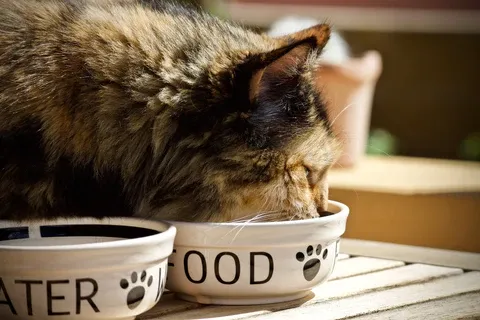 A cat eating from a bowl.
Making the Switch to Untamed
Transitioning to Untamed can lead to noticeable improvements in your cat’s health and energy levels. Many owners report increased energy within a week, improved muscle tone and reduced urinary issues within two months, and a shinier coat with less shedding within four months. Long-term benefits include natural weight management, improved digestion, and sustained energy.
Try a risk-free trial pack today and discover the Untamed difference for your feline friend! You can conveniently order your first monthly cat food box online and ensure a continuous supply of your cat’s favorite flavors.
 A cat with a healthy, shiny coat.
References:
- Cat Diet
- Is Dry Food Bad for Cats?
- Wet Cat Food
- High-Protein Cat Food
- Tailor-Made Cat Food
- What Do Cats Eat Naturally?
- Cat Food for Struvite Crystals
- Diet Cat Food
- Cat Jelly
- Cat Gravy
- Natural Hunters
- Vegan Cat Diet
- Chicken
- Indoor Cat Food
- Dental Cat Food
- Homemade Cat Food
- Taurine in Cat Food
- Gastro-intestinal Cat Food
- Cat Food Allergies
- What Can Cats Not Eat
- Ethical Cat Food
- Kitten Food
- Fussy Cat Food
- Cat Food for Senior Cats
- Hypoallergenic Cat Food
- Best Cat Food for Sensitive Stomach Diarrhea
- Best Cat Food
- Average Cat Weight
- Weight Management
 A happy cat looking healthy.
