
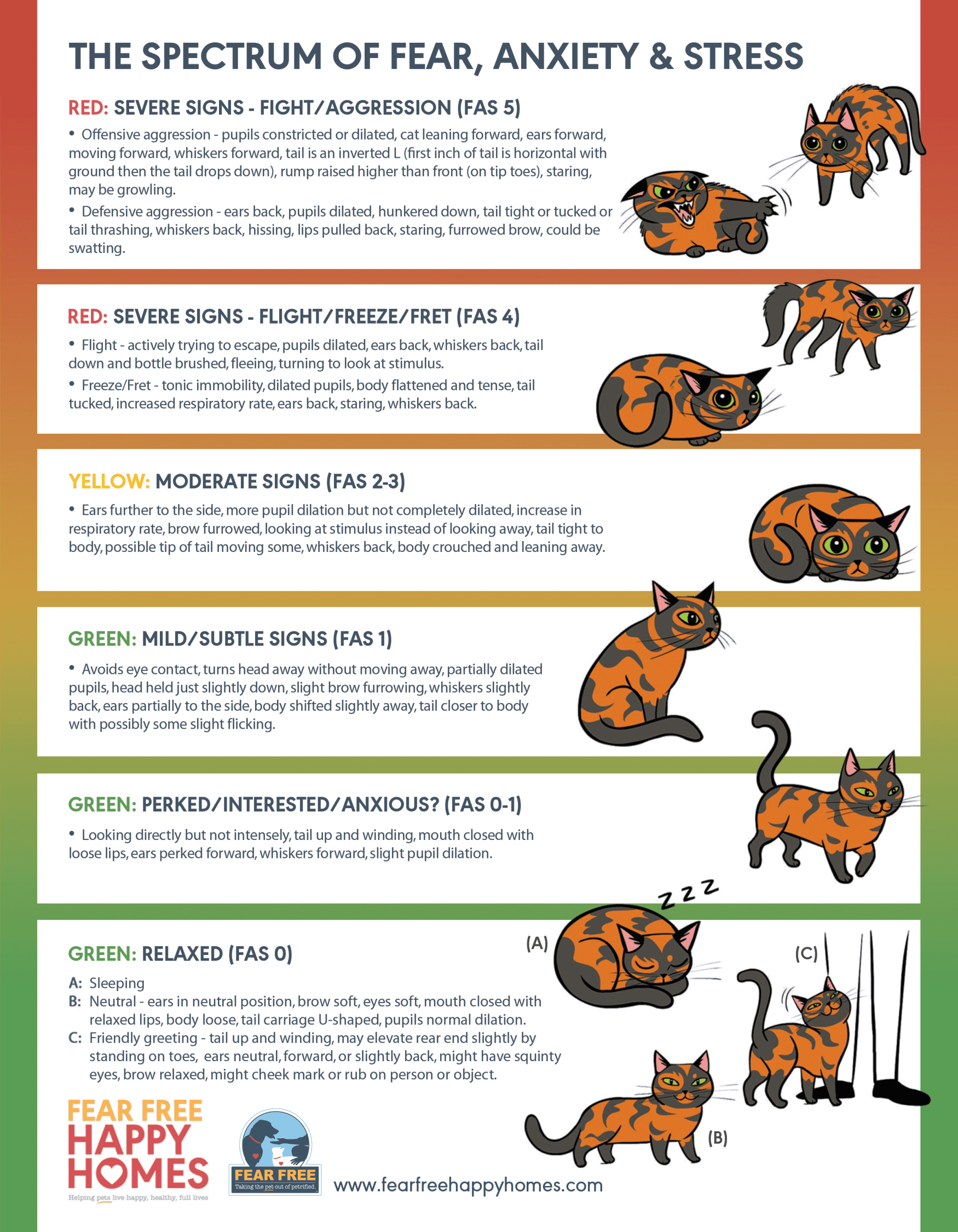
Cats are naturally territorial creatures, and this instinct can often lead to conflicts with other felines, especially when it comes to defending their perceived space. If your cat is frequently engaging in disputes with neighborhood cats, it’s crucial to understand the underlying reasons and implement strategies to mitigate these altercations. This guide will explore the common causes of inter-cat conflict and provide practical solutions to help restore peace to your cat’s territory.
Why is My Cat in Conflict with the Neighborhood Cats?
Several factors can contribute to a cat’s aggressive behavior towards other cats in the vicinity. Understanding these motivations is the first step toward resolving the issue.
Territorial Disputes and Scent Marking
Cats utilize scent marking as a primary method of communication, defining their territory and alerting other cats to their presence. When your cat encounters familiar or unfamiliar scent marks within its perceived territory, it can trigger a defensive or aggressive response. This is particularly common in male cats, who are more prone to exhibiting territorial aggression. The presence of an unfamiliar cat’s scent can be perceived as an invasion, leading to tension and potential conflict.
Personality and Social Dynamics
Individual cat personalities play a significant role in their interactions. Some cats are naturally more assertive or aggressive than others, potentially becoming the “neighborhood bully.” Within a multi-cat household, dominance hierarchies can also emerge. This can manifest as aggression from a male cat towards a female cat, rivalry between siblings, or even a usually docile cat initiating conflict. Recognizing your cat’s individual temperament is key to addressing aggressive behaviors.
Play Fighting vs. Actual Aggression
It’s important to distinguish between playful sparring and genuine aggression. Young cats, in particular, may engage in rough play that can resemble a fight. However, even play fighting can escalate into real conflict if not properly managed. Observing the cats’ body language, vocalizations, and the overall context of their interaction is crucial for differentiation. If you’re uncertain, resources like quizzes on cat conflict signs can help clarify the difference.
6 Tips to Stop Your Cat Fighting Outside
Implementing a few key strategies can significantly reduce the likelihood of your cat engaging in conflicts with neighborhood felines.
Respect Your Kitty’s Need for Space: Unlike dogs, cats often appreciate and require personal space. Ensure your cat has ample resources—including food bowls, litter boxes, sleeping areas, and toys—in separate locations within your home. This reduces competition and stress, which can lead to aggression. Providing individual resources minimizes the chance of conflict, both indoors and outdoors.
Utilize an Electronic Cat Door: If your cat is being harassed by other cats outdoors, an electronic cat door can provide a safe haven. These doors are typically activated by a collar worn by your cat, ensuring that only they can enter the house or a designated safe room. This prevents aggressor cats from following your kitty home and offers them a secure space to retreat to, undisturbed.
Distract and Redirect: When you observe your cat engaging in a dispute, try to distract them with a favorite toy or treat. If the conflict has already begun and your presence isn’t sufficient to de-escalate the situation, a loud noise, like clapping your hands, can sometimes startle the cats and break up the tension. It is vital to avoid any aggressive actions towards fighting cats, as this can exacerbate their stress. Instead, remain calm, maintain a safe distance to avoid injury, and encourage your cat to come indoors.
Consider Indoor Confinement: If your cat has been repeatedly attacked by other cats, keeping them indoors is the most effective way to prevent further incidents. This is particularly important for mild-mannered cats who are frequently ambushed. Outdoor access, especially after dark, increases the risk of fights and injuries. If you hear your cat fighting outside, investigate the situation; your presence may be enough to deter the aggressor cat.
Rule Out Underlying Health Issues: If your cat is consistently the instigator of fights, it’s essential to consult with your veterinarian to rule out any underlying health problems that might be contributing to their aggression. Additionally, consider seeking guidance from an animal behaviorist or a cat training program. These professionals can help identify the root cause of the aggression and develop effective behavioral management strategies.
Use FELIWAY Optimum Diffuser: For cats experiencing stress or anxiety due to neighborhood cat conflicts, the FELIWAY Optimum Diffuser can be beneficial. This product releases calming feline pheromones, which help create a sense of security and comfort in their environment. A relaxed cat is less likely to engage in aggressive behaviors. If your cat appears fearful or unsettled, FELIWAY Optimum can provide continuous support.
Addressing conflicts between your cat and neighborhood felines requires patience and a multi-faceted approach. By understanding the causes of territorial disputes and implementing these practical tips, you can help foster a more harmonious environment for your feline companion. Remember, if specific cats are consistently causing issues, communicating with other cat owners might be a collaborative solution. Additionally, providing your cat with a safe indoor environment is a proactive measure to protect them from potential harm. For cats fighting within your own home, refer to our tips on helping your cats get along. You can also test your knowledge of feline behavior by taking our fun quiz on cat conflict signs.
