
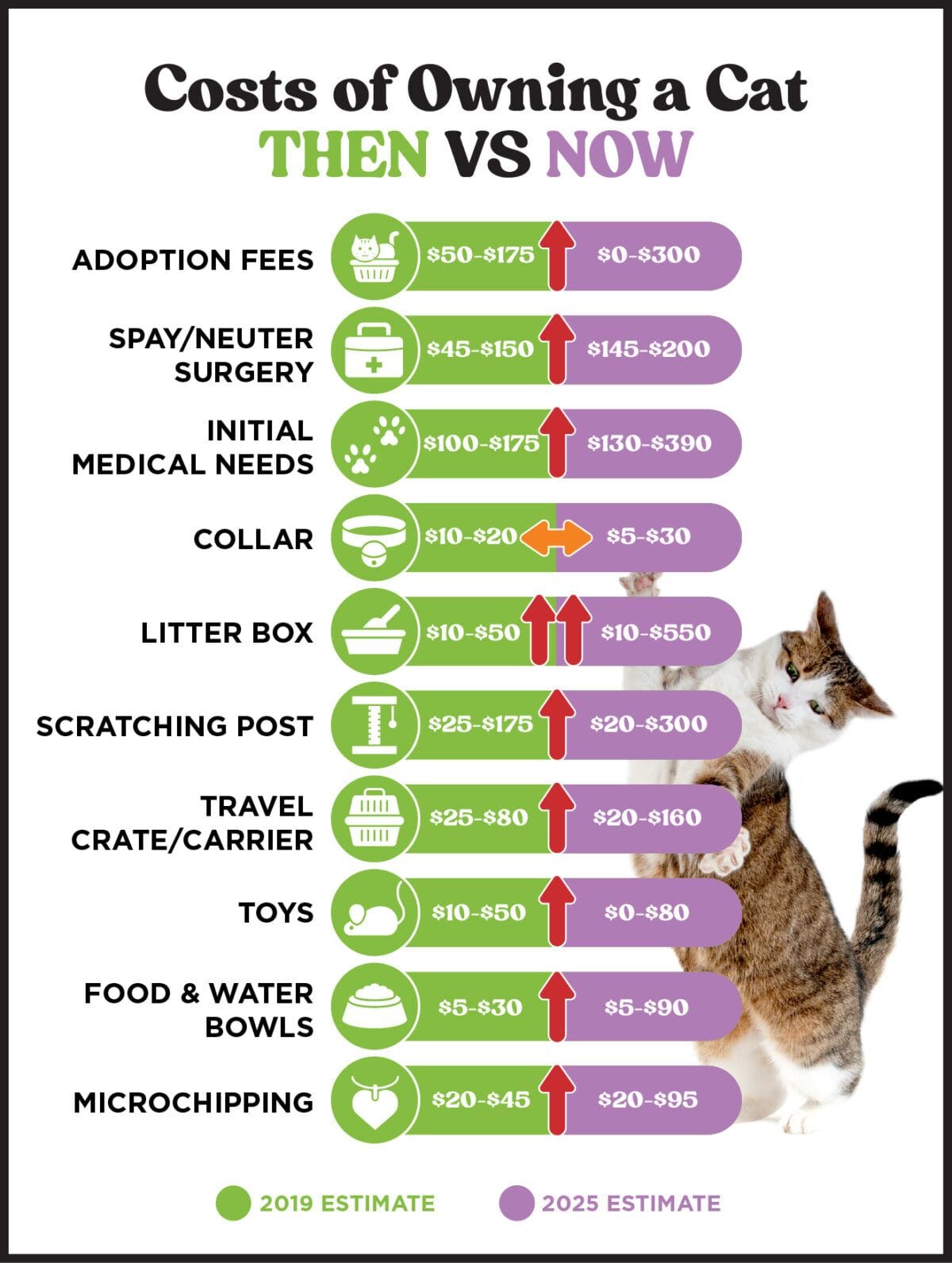
Bringing a feline friend into your home is a decision filled with joy, love, and endless entertainment. Cats offer companionship, playful antics, and a comforting presence. However, alongside the emotional rewards, it’s crucial to be aware of the financial commitment involved in cat ownership. Understanding these costs upfront can help ensure you provide the best possible care for your new companion.
Initial Cat Acquisition Costs
The first expense you’ll likely encounter is the cost of acquiring your cat. This varies significantly depending on whether you choose to adopt from a shelter or purchase from a breeder.
Shelter Adoption Fees
Adopting a cat from a local animal shelter is often a more affordable option. Adoption fees typically range from $50 to $175, with the price often influenced by the cat’s age and any included veterinary services. Many shelter animals come already spayed or neutered, microchipped, and with initial vaccinations, which can significantly reduce your upfront veterinary expenses. Adopting not only gives a deserving animal a second chance at a happy life but also aligns with the recommendation of organizations like the ASPCA, which strongly advocates for shelter adoptions.
Breeder Purchases
Conversely, acquiring a cat from a breeder can be considerably more expensive, with prices potentially starting at $750 or more. While breeders may offer specific breeds with documented lineages, the ASPCA and many other animal welfare groups encourage prospective owners to consider adoption first due to the vast number of animals in shelters needing homes.
Essential One-Time Purchases for Your Cat
Beyond the initial acquisition, there are several essential items you’ll need to purchase to set up your home for your new cat. These “must-haves” ensure your cat’s basic needs for safety, comfort, and hygiene are met.
Cat Care Essentials
The ASPCA estimates initial capital costs for a cat, including essential supplies and initial medical care such as spaying or neutering, to be around $365. This figure can fluctuate based on your choices and the specific needs of your cat.
- Litter Box: Litter boxes come in a wide variety of styles and price points, from basic plastic trays to more sophisticated automatic self-cleaning models. If you have a multi-story home, providing a litter box on each floor can enhance convenience for your cat.
- Carrier: A secure carrier is indispensable for transporting your cat to veterinary appointments or any other necessary outings. Similar to litter boxes, carriers are available in various designs and price ranges.
- Collar and ID Tag: Even indoor cats should wear a collar with an ID tag. This is a crucial safety measure in case they accidentally get outdoors. While microchipping provides a permanent form of identification, an ID tag is the most immediate visible identifier for anyone who might find your lost pet. You can learn more about microchipping your cat or dog.
- Scratching Posts or Mats: Scratching is a natural and instinctive behavior for cats. Providing sturdy scratching posts or mats redirects this behavior away from your furniture and carpets, offering a satisfactory outlet for your cat’s needs.
You will also need food and water bowls. If you have suitable bowls already in your home, you can repurpose them. Regular cleaning of these bowls is vital to prevent the buildup of harmful bacteria.
Optional Comforts and Enrichment Items
While not strictly necessary, several optional items can contribute to your cat’s comfort, happiness, and enrichment.
- Pet Bed: Although many cats are content to sleep on blankets or towels, a dedicated pet bed can offer a particularly cozy and designated resting spot.
- Pet Fountain: Some cats have a preference for drinking running water, making a pet fountain a worthwhile investment for encouraging hydration.
- Cat Shelves: Cats naturally enjoy elevated perches to survey their surroundings. Installing secure cat shelves allows them to climb and observe their environment from a safe vantage point.
- Window Perch: A window perch provides a stimulating and safe spot for your cat to observe the outside world.
- Pet Tech Gadgets: The market offers a range of technology-driven toys and monitoring devices, from automated treat dispensers to two-way video systems, designed to enhance your interaction and care for your feline companion.
Ongoing Monthly Expenses for Your Cat
Beyond the initial setup, cat ownership involves recurring monthly costs that contribute to your cat’s long-term health and well-being. The ASPCA suggests budgeting approximately $53 per month, or $634 annually, for these ongoing needs.
Routine Veterinary Care and Supplies
- Recurring Medical Expenses: Regular veterinary check-ups, annual vaccinations, and preventative medications for fleas, ticks, and heartworm are essential components of responsible cat care.
- Cat Food: Providing a nutritionally complete and balanced diet appropriate for your cat’s age, activity level, and specific health needs is paramount. Consulting your veterinarian for recommendations on healthy food choices is always advised.
- Treats: While treats can be useful for training and bonding, they should be given in moderation due to their potential calorie content and, in some cases, less-than-ideal ingredients.
- Safe Toys: A variety of toys are crucial for providing your cat with both physical exercise and mental stimulation. This helps prevent boredom and can mitigate the development of undesirable behaviors.
The ASPCA also includes a miscellaneous budget of around $30 per month for items like catnip or additional scratching accessories. These costs are highly variable based on brand preferences and your cat’s individual needs.
Additional Lifestyle-Dependent Costs
Depending on your lifestyle, you might incur additional expenses. If you work long hours, you may need to arrange for a pet sitter to visit your home. Similarly, if you plan to travel, you might need to budget for a cat sitter or boarding facility. Renters in apartments or condominiums may also face additional pet fees or deposits to cover potential damages.
Managing Unexpected Veterinary Costs
Unexpected veterinary bills can arise from accidents or illnesses, presenting a significant financial challenge. Cats are curious and agile, and mishaps can occur, such as injuries from falls, blockages from ingesting foreign objects requiring surgery, or common infections like upper respiratory illnesses. While the cost of such events is unpredictable, a pet insurance plan can provide a financial safety net.
The Cost of Cat Insurance
The price of cat insurance varies based on the chosen coverage level, your cat’s age, breed, and your geographic location. When selecting a policy, it’s important to balance the cost with the extent of coverage. An inexpensive plan might seem attractive, but it may not provide adequate financial assistance if your cat requires significant medical attention. Budgeting for a monthly premium can be more manageable than facing a large, unexpected veterinary bill.
Practical Ways to Save on Cat Ownership Costs
While the expenses associated with cat ownership can accumulate, several practical strategies can help you manage costs effectively.
- Buy in Bulk: Purchasing food, litter, and other consumables in larger quantities can often lead to cost savings.
- Shop Around: Compare prices from different retailers and online stores to find the best deals on pet supplies.
- Make Your Own Toys: Simple DIY toys can provide just as much entertainment for your cat as expensive store-bought options. Explore resources on how to make homemade cat toys.
- Prepare Homemade Treats: Similar to toys, you can create healthy and delicious treats for your cat at home. Check out 3 simple homemade cat treat recipes.
- Consider Pet Insurance: As mentioned earlier, pet insurance can help mitigate the financial impact of unexpected veterinary expenses, allowing you to prioritize your cat’s health without undue financial stress.
Ultimately, the most significant way to save on cat care costs is through diligent preventative care. Ensuring your cat has access to fresh water, a balanced diet, sufficient exercise, and a safe, cat-proofed environment can help prevent accidents and illnesses. Providing ample love and attention also contributes to a cat’s overall well-being, fostering a happy and healthy life for both you and your feline companion.
Source: ASPCA® (American Society for the Prevention of Cruelty to Animals®)
Disclaimer: The information provided in this article is intended for general educational and informational purposes only and does not constitute professional veterinary advice. Always consult with a qualified veterinarian for any health concerns or before making any decisions related to your pet’s health or treatment.
(Image placeholder – if images were present in the original article, they would be inserted here according to the specified rules.)
