
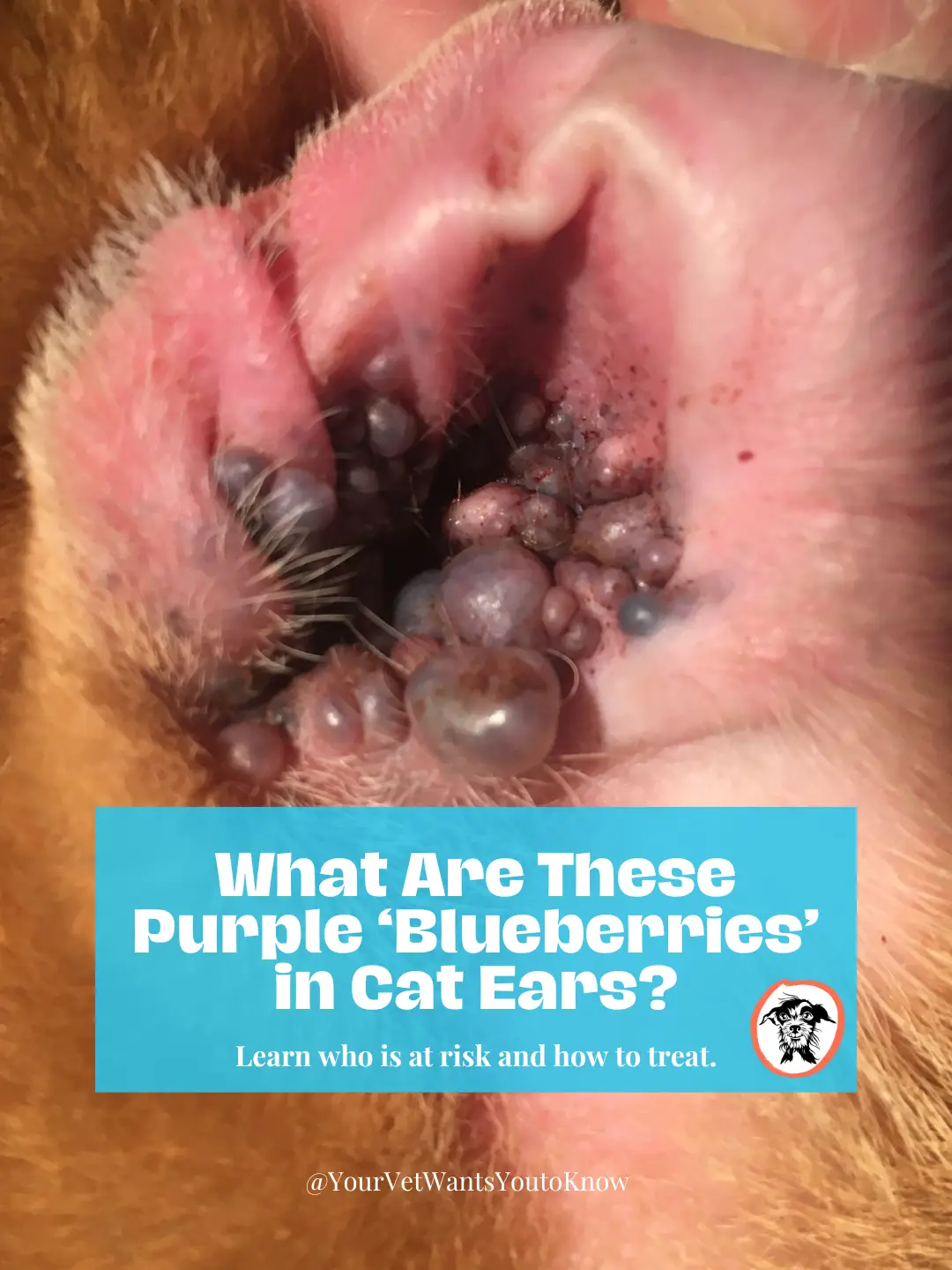
Cat ear infections, medically known as otitis externa, are a common ailment characterized by inflammation of the outer ear canal. While less frequent in felines than in canines, these infections can be acute or chronic and stem from various underlying issues. The cat’s ear, comprising the outer, middle, and inner sections, is finely tuned for sensitive hearing and balance. Prolonged or severe outer ear infections can unfortunately escalate to affect the middle and inner ear. The outer ear includes the pinna, a funnel-shaped structure aiding sound collection, and the external ear canal. This canal, lined with skin and hair, can become a breeding ground for yeast and bacteria due to its dark, often moist environment, especially given the deep ear canals of cats which, while enhancing hearing, can trap more debris.
Recognizing the Signs of Ear Infections in Cats
Cats experiencing ear infections often exhibit a range of symptoms, varying in intensity and duration. Common indicators include persistent head shaking, excessive scratching at the ears, and a noticeable head tilt. You might also observe discharge and an unpleasant odor emanating from the ears. The pinna (the visible part of the ear) may become swollen, red, and sometimes develop sores. Pain is another significant symptom, often leading to reluctance in a cat to have its ears touched. These infections can affect one or both ears, though bilateral cases are more frequent. As inflammation progresses deeper into the ear, cats may display signs of incoordination and vestibular problems, akin to vertigo in humans, impacting their balance and spatial orientation. Severe scratching can even lead to ear hematomas, characterized by a pool of blood within the ear.
The Multifaceted Causes of Cat Ear Infections
A variety of factors can predispose cats to ear infections. Congenital conditions, such as the abnormal ear shape seen in Scottish Fold cats, increase susceptibility. Cats with excessive ear wax production, abundant ear hair, or unusually narrow ear canals are also at higher risk.
Parasitic infestations, particularly ear mites, are a frequent culprit, especially in kittens and outdoor cats, as mites can easily spread between pets. Allergies represent another significant cause of ear inflammation and infection in cats. These allergies can be triggered by food or environmental factors, often presenting alongside other skin conditions. Since the ear canal is lined with skin, it becomes a target for allergic reactions.
Bacteria and yeast are typically opportunistic pathogens, meaning they thrive in an already compromised ear environment. A healthy ear canal can naturally defend against their overgrowth, but this defense mechanism fails when the ear is diseased or inflamed. Therefore, secondary bacterial and yeast infections are very common.
Other potential causes of ear inflammation and subsequent secondary infections include:
- Foreign bodies: Such as grass awns or embedded hair.
- Polyps: Benign growths within the ear canal.
- Cancer: Tumors affecting the ear structures.
- Skin disorders: Conditions affecting the skin’s health.
- Endocrine disorders: Such as hypothyroidism or Cushing’s disease.
- Immune-mediated disorders: Where the immune system mistakenly attacks the body’s own tissues.
- Sebaceous gland disorders: Affecting the oil-producing glands in the skin.
- Aggressive ear cleaning: Overly vigorous cleaning can damage the delicate ear lining.
- Inappropriate treatments: Using substances like hydrogen peroxide or alcohol can irritate the ear canal. Even certain veterinary-prescribed ear medications can cause issues if not used correctly or if they are not the right fit for the specific condition, highlighting the importance of veterinary consultation before administering any ear treatment.
Veterinary Diagnosis of Feline Ear Infections
Veterinarians typically suspect an ear infection based on a physical examination of the cat’s ears and observed clinical signs. They will carefully inspect the ear canal and eardrum for inflammation, debris, masses, or any other abnormalities. In severe cases, the eardrum may rupture, which can influence treatment strategies.
While a physical exam can indicate inflammation and debris, further diagnostic tests are often necessary to pinpoint the exact cause, such as bacterial, fungal, or parasitic infections.
Key diagnostic tools include:
- Cytology: Considered the gold standard, this involves taking a swab from the affected ear to collect cells, debris, and discharge. Microscopic examination reveals the presence of mites, bacteria, yeast, or inflammatory cells, providing crucial diagnostic information.
- Culture: A sterile swab is used to collect a bacterial sample from the ear. This sample is then cultured in a laboratory, and the bacteria are tested against various antibiotics to determine the most effective treatment.
- Imaging and other tests: For chronic or treatment-resistant cases, imaging techniques like X-rays or CT scans, along with other specialized tests, may be required to investigate deeper ear structures or underlying conditions.
Effective Treatment Strategies for Cat Ear Infections
Treatment for cat ear infections is a two-pronged approach: addressing the primary underlying cause and managing any secondary infections. Cold laser therapy is sometimes employed alongside medications designed to alleviate pain and reduce inflammation.
- Ear Mites: Treatment typically involves topical antiparasitic medications, such as Revolution Plus, which can be applied directly to the skin or, in some cases, administered into the ear canal. Addressing ear mites is crucial, as they are a common source of infection.
- Allergies: Managing allergies involves identifying the specific allergen, whether environmental or food-related. This often includes dietary trials and specialized testing to pinpoint potential triggers. Once identified, allergen-specific immunotherapy (allergy vaccines) can be created to desensitize the cat to the allergen. For environmental allergies, medication may be prescribed to manage symptoms.
- Bacterial and Yeast Infections: While often secondary, these infections require targeted treatment. Commonly, ear preparations containing a combination of antibiotics, antifungals, and anti-inflammatories are prescribed. Some formulations are designed to remain in the ear canal for an extended period, while others may require daily or twice-daily application by the pet owner.
Ear cleaning is a vital component of treating otitis externa, as accumulated debris can perpetuate the infection and hinder treatment efficacy. To clean the ear properly, the canal is filled with a veterinarian-approved cleaner, and the base of the ear is gently massaged. The loosened debris is then wiped away from the visible parts of the ear. It’s crucial to avoid inserting anything deep into the ear canal to prevent further damage. Always consult your veterinarian for the correct cleaning techniques and appropriate cleaning solutions, such as Epi-otic, to ensure safe and effective care.
In severe or chronic cases, oral anti-inflammatory drugs (steroids or NSAIDs) may be necessary to manage significant inflammation and pain. Oral antibiotics and antifungals might also be prescribed for severe, long-standing, or recurring infections. Surgical intervention may be considered for obstructions like tumors, foreign bodies, or polyps within the ear canal.
Home Care and Recovery for Cats with Ear Infections
Consistent ear cleaning at home plays a significant role in maintaining ear health and detecting problems early. While numerous over-the-counter products claim to resolve ear issues, the ear is a delicate organ. Many ineffective or inappropriate products can lead to pain, hearing loss, skin ulcerations, and even neurological complications. Therefore, it is always best to seek veterinary diagnosis and treatment for any ear concerns.
Cats often show improvement within a few days of commencing treatment. However, it is tempting, but ill-advised, to discontinue medication or cancel follow-up appointments once symptoms subside. All prescribed medications must be completed for the entire duration, typically 7 to 14 days, and a recheck appointment with cytology is essential. Incomplete treatment and inadequate therapy are common reasons for treatment failure. Proper technique for ear cleaning and medication administration is crucial to ensure the medication reaches the deep parts of the ear canal.
The recheck cytology and veterinary examination are vital for several reasons:
- The infection may appear resolved to the owner, but cytology might reveal it is not fully cleared, even if the cat seems comfortable.
- The infection might indeed be resolved, allowing for cessation of treatment.
- The infection’s nature may have changed, necessitating a different treatment protocol.
Recurrent ear infections can occur, particularly in cats with abnormal ear canal anatomy or chronic underlying conditions like allergies. However, issues like foreign material or ear mites are generally curable and less likely to recur if managed properly. Overall, cats diagnosed with ear infections generally have a positive prognosis. Prompt intervention, diligent completion of prescribed medications, and addressing any underlying contributing factors are paramount to a successful outcome.
References
Featured Image: iStock.com/simonkr
References
WRITTEN BY
Lauren Jones, VMDVeterinarian
Dr. Lauren Jones graduated from the University of Pennsylvania School of Veterinary Medicine in 2010, after receiving her bachelor’s degree…
