
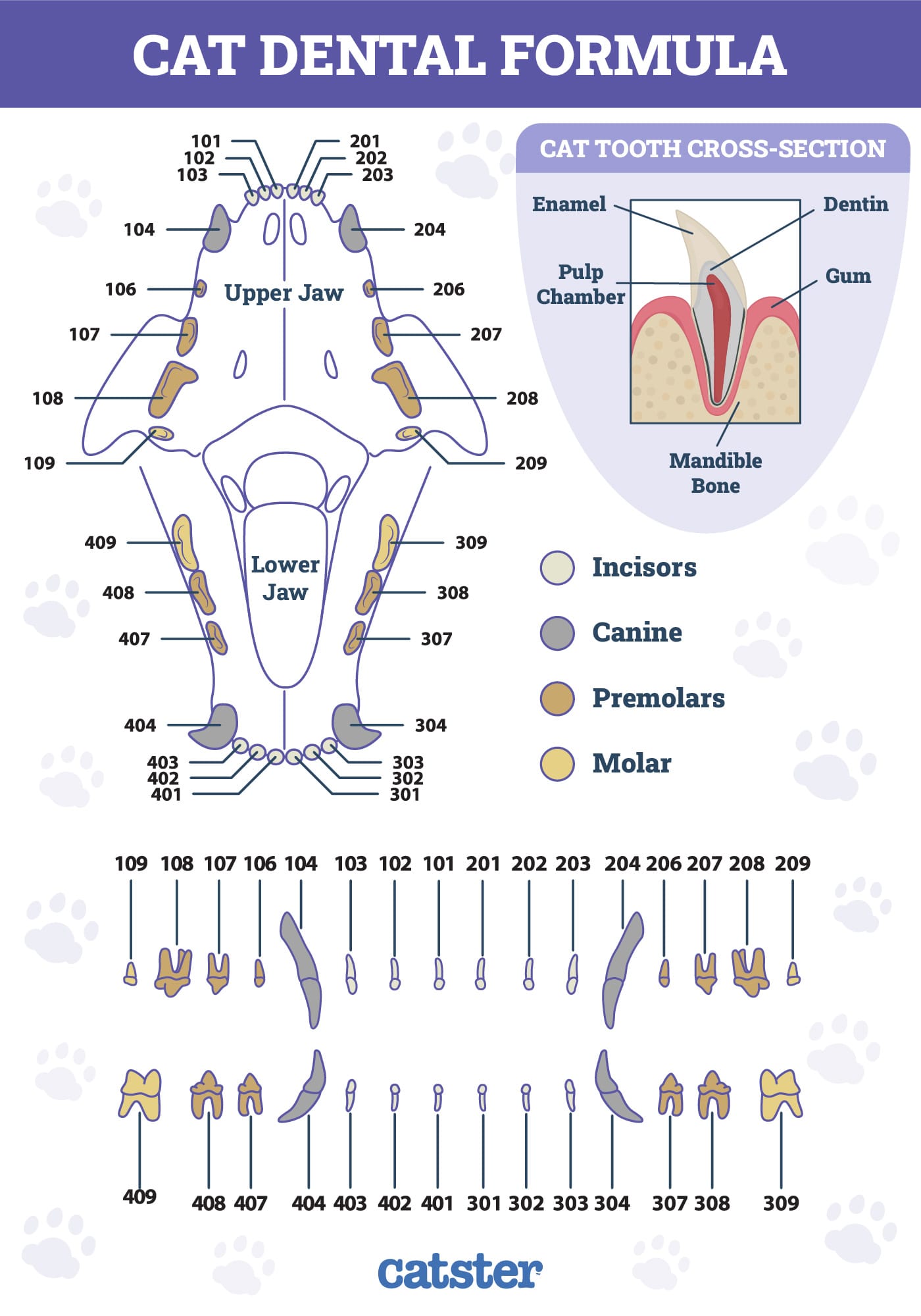
Ensuring your cat has a robust dental maintenance routine from a young age is fundamental for their long-term well-being and happiness. Beyond preventing common feline ailments such as gingivitis, regular dental care also contributes to fresh breath. This guide delves into the importance of feline dental hygiene, how to conduct at-home checks, and effective methods for keeping your cat’s mouth clean and healthy.
Why is Cat Dental Care Crucial?
In their natural habitat, cats would typically groom their teeth by gnawing on bones or grass. However, domesticated cats often lack these natural cleaning mechanisms. Compounding this, animals cannot verbally express pain or discomfort, making proactive health management, particularly oral care, essential. Regularly inspecting your cat’s teeth and gums is vital to ensure they remain in optimal condition.
Dental and gum problems affect a significant majority of cats over the age of three. This is primarily due to the accumulation of bacteria, food debris, and plaque on the exterior of their teeth. Over time, this buildup hardens into tartar, which can lead to gum irritation, gingivitis, and even tooth loss. In severe instances, tartar buildup can become irreversible, necessitating tooth extraction to alleviate pain.
Oral pain and inflammation can impede a cat’s ability to eat or drink, and the associated bacteria can enter the bloodstream, potentially damaging kidneys and other vital organs. This progressive deterioration of gums, teeth, and supporting structures is known as periodontal disease, the most prevalent ailment among adult cats and dogs, yet largely preventable.
How to Assess Your Cat’s Oral Health
While your feline companion may not relish the experience, regular oral examinations are important. If your cat becomes overly distressed or you find it challenging to examine their mouth safely, a veterinary professional can conduct the check-up.
A healthy cat’s teeth should appear clean and white, without any signs of chipping. Their gums should be pink, free from sores or lesions, and exhibit no redness, swelling, or bleeding. It’s also important to inspect the back of your cat’s mouth for ulcers, swelling, lesions, or foreign objects, such as string, lodged within. Any abnormalities warrant prompt veterinary assessment.
A foul odor emanating from your cat’s breath can signal an infection, either oral or systemic, necessitating a vet visit. Persistent bad breath is often indicative of severe periodontal disease requiring treatment. Be vigilant for other signs of dental issues, including excessive drooling, difficulty swallowing, pawing at the face, or changes in eating habits or weight.
Methods for Maintaining Your Cat’s Dental Hygiene
Consistent daily or, at a minimum, twice-weekly brushing is the cornerstone of healthy teeth and gums for your cat. Adult cats can be resistant to teeth cleaning, making it advisable to acclimate them to this process and having their mouth handled from kittenhood. Utilizing a finger cot or gauze wrapped around your finger and dipped in cat-specific toothpaste can ease kittens into the experience. For added appeal, you can try coating your finger in the water from a can of tuna.
For regular teeth cleaning, ensure you have the appropriate tools. Complete dental kits are available at veterinary clinics and pet stores. Crucially, never use human toothpaste on your cat. The high fluoride content can cause severe illness if ingested, and it’s challenging to control the amount swallowed. Opt for fluoride-free cat toothpaste, often flavored with beef or chicken.
You can use sterile gauze strips or a specialized rubber finger brush designed for cats. Gently cradle your cat from behind, tilt their head back, and lift their chin to facilitate access to their teeth. Avoid using dental floss, as it poses a significant risk of ingestion and intestinal damage.
Keeping Your Cat’s Entire Mouth Clean
Oral care extends beyond just the teeth to include gum health. Since tooth decay often begins with inflamed gums, their care is equally important. After brushing your cat’s teeth, gently massaging their gums can aid healing, strengthen them, and stimulate blood flow, reducing the risk of future gum issues.
Various products can support your cat’s overall oral health. Your veterinarian may recommend specially formulated treats designed to reduce plaque, control tartar buildup, and freshen breath. Many of these treats contain beneficial ingredients like Vitamin E, selenium, taurine, and antiseptics to combat oral bacteria.
Dental sprays, available from your veterinarian, can be easily administered daily to manage plaque and tartar levels. Specially formulated dental diets, as recommended by your vet, also play a role. Water additives are another option, but ensure your cat continues to drink adequately despite any unfamiliar taste.
While numerous convenient options exist for maintaining your cat’s oral health, professional veterinary dental cleanings are essential, especially if your cat resists at-home care. Periodontal disease can develop subtly beneath the gum line, even if the teeth appear healthy. Regular veterinary cleanings are therefore highly recommended for prevention and early detection. These procedures are performed under general anesthesia, allowing the veterinarian to thoroughly remove plaque and calculus, polish teeth, and conduct a comprehensive oral examination, including inspection beneath the gums. This also provides an opportunity for diagnostic X-rays to identify dental disease. Older cats may require more frequent professional cleanings.
Simple Steps for Optimal Feline Oral Health
Effective cat dental care necessitates some degree of owner intervention. Fortunately, implementing simple steps early in your cat’s life, such as acclimating them to teeth cleaning, can make a significant difference. Your veterinarian can provide product recommendations and perform annual professional cleanings to prevent dental disease. Consistent home care combined with professional veterinary attention is key to ensuring your cat’s long-term oral health.
