
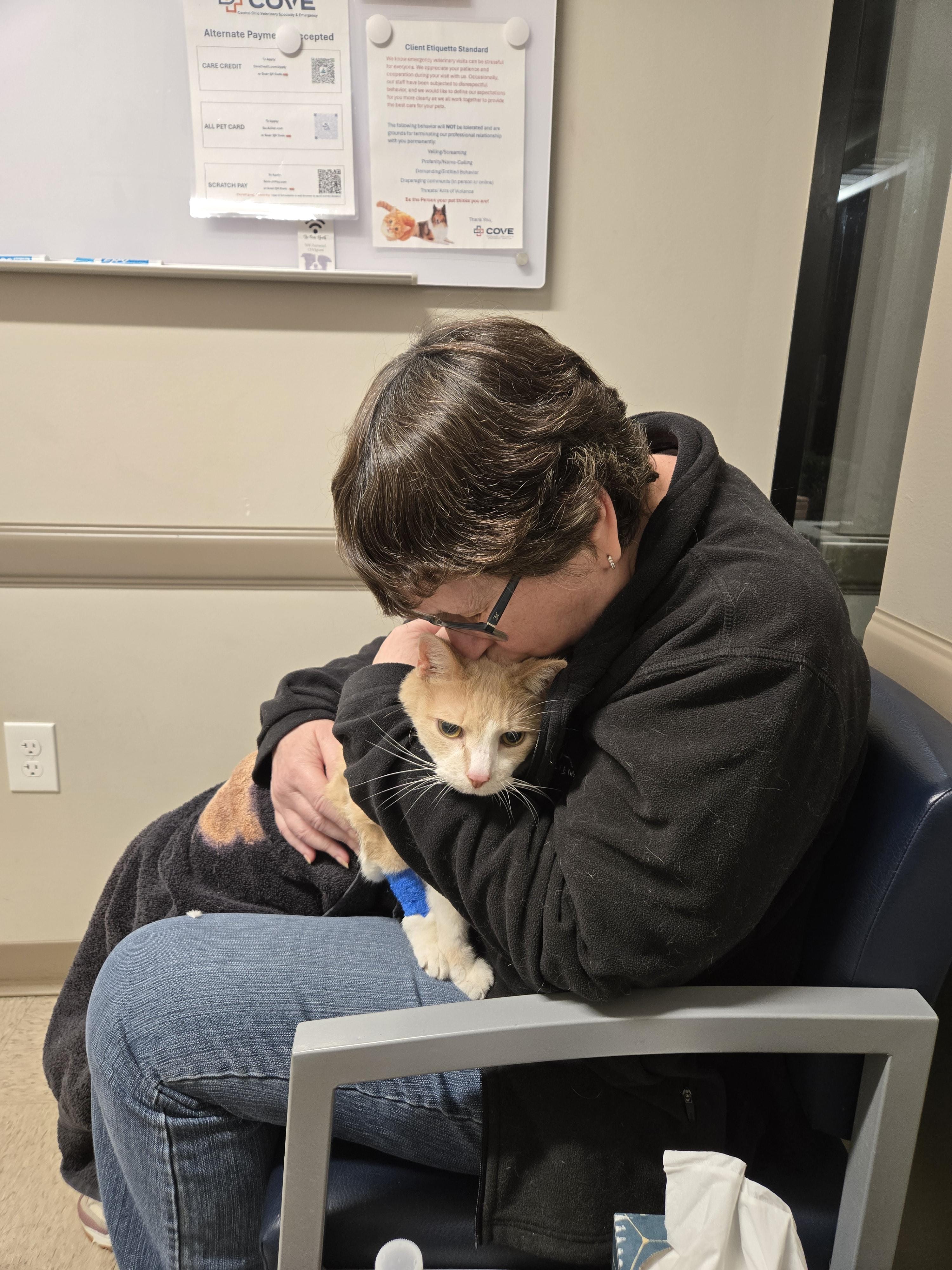
Have you ever witnessed your feline friend engaging in a sudden, frantic chase after their own tail, seemingly out of nowhere? Winston, a three-year-old neutered short-haired cat, has recently developed this peculiar habit, described by his owner as “kitten crazy,” especially when he finds himself in an empty bathtub. This behavioral shift, which he didn’t exhibit as a kitten, raises concerns about potential underlying issues. When a cat’s behavior changes, it’s a signal that they might be trying to communicate something important. While it’s possible Winston is simply seeking entertainment, it’s crucial to explore other possibilities beyond simple playfulness.
This veterinary insight aims to shed light on the potential causes behind Winston’s tail-chasing behavior, emphasizing the importance of a thorough examination to ensure your cat’s well-being. Understanding these behaviors can help cat owners address concerns proactively and maintain their cat’s health.
Potential Causes for Tail-Chasing Behavior
Any alteration in a cat’s behavior warrants attention, as it often indicates an underlying issue. When a cat fixates on a particular body part, such as the tail, it’s wise to consider all potential sources of discomfort or irritation in that general area.
Issues with the Tail Itself
The tail is a vital appendage for cats, aiding in balance, swatting away insects, and expressing emotions. However, it can also be susceptible to injury. Accidental entrapment in closing doors or under rocking chairs can lead to bruising, fractures, or pinched nerves at the tail’s base.
Lower Back and Pelvic Concerns
The complex movements and agility of cats make them prone to injuries in the lower back and pelvis. Muscle spasms or pinched nerves in these regions can manifest as discomfort, leading the cat to bite at the affected area.
Anal Gland and Colon Issues
Located near the lower back and tail are the anal glands, which release a fluid during defecation, stress, or fear. If these glands become impacted or inflamed, they can cause significant pain, akin to feline hemorrhoids. Constipation or other anal discomfort can also trigger a cat to focus on their rear end. For more information on managing digestive issues in cats, resources like cat pacing and meowing might offer related insights into feline discomfort.
Urinary Tract Problems
Pain or discomfort originating from the kidneys, ureters, or bladder can also be perceived in the lower back and pelvic region. Conditions such as urinary tract infections (UTIs), bladder irritation, or the presence of stones can contribute to this discomfort.
Skin Irritation
Various skin conditions causing itchiness or irritation can lead a cat to excessively lick or bite at the affected area, including the tail.
Neurological or Behavioral Origins
While less common, the brain plays a role in interpreting pain and initiating behavioral responses. In some instances, tail-chasing could stem from behavioral issues or neurological conditions that require specialized investigation. Understanding feline aggression can sometimes shed light on underlying behavioral issues, so articles on topics such as my cat is aggressive with me might be relevant in a broader context of behavioral analysis.
The Importance of Regular Veterinary Check-ups
Whether Winston’s behavior has a medical, behavioral, or seemingly “normal” explanation, it is highly recommended to consult with a veterinarian. A thorough physical examination can help identify any underlying issues Winston might be trying to communicate.
Cats are adept at concealing symptoms of illness until they are quite advanced. This makes regular veterinary check-ups, at least annually, indispensable. A comprehensive physical exam allows for the early detection of subtle changes that might otherwise go unnoticed, significantly improving the chances of successful treatment.
If you find taking your cat to the clinic challenging, consider exploring options like a housecall veterinarian or inquiring if your local vet offers this service. Proactive care is essential for ensuring our feline companions live long, healthy lives. Early intervention dramatically increases the likelihood of managing and resolving health problems before they become severe. For owners struggling with specific feline vocalizations, understanding cat yowling in the morning could offer parallels in addressing unusual feline behaviors.
References:
- Dr. Richard Goldstein’s Website: http://www.mobilevetsquad.com/
