
Worms are a common concern for cat owners, and understanding their origins, symptoms, and treatments is crucial for your feline friend’s health. While often treatable, untreated worm infestations can pose serious risks to cats, particularly kittens. This guide provides comprehensive information on the types of worms, how cats contract them, diagnosis, treatment, and essential preventative measures.
Common Types of Worms Affecting Cats
Gastrointestinal worms are the most prevalent in cats. These include:
- Roundworms (Toxocara cati, Toxascaris leonina): These resemble long, spaghetti-like strands and are the most common intestinal parasite in kittens.
- Hookworms (Ancylostoma tubaeforme, Uncinaria stenocephala): These are small, thin worms that attach to the intestinal wall and feed on blood, potentially causing anemia.
- Whipworms (Trichuris campanula, Trichuris serrata): These are thin, whip-shaped worms found in the large intestine and cecum.
- Tapeworms (Dipylidium caninum, Taenia taeniaeformis): These are long, flat, segmented worms that attach to the small intestine. Segments may be visible in feces or around the cat’s anus, resembling rice grains.
Other less common, but still significant, types of worms include:
- Lungworms: These parasites reside in the respiratory tract, leading to coughing and breathing difficulties.
- Liver flukes: Infestation of the liver by these flatworms can cause digestive issues and liver damage.
How Cats Contract Worms
Cats can become infected with worms through several routes:
- From Mother’s Milk: Many kittens are born with or contract gastrointestinal worms while nursing. Tiny worm larvae can be present in their mother’s milk. If you are caring for a pregnant or nursing cat, consult your veterinarian about deworming protocols to protect both the mother and her litter.
- Environmental Contamination: Adult cats typically ingest worm eggs from their environment. This can occur when a cat grooms itself after coming into contact with contaminated soil, feces, or surfaces.
- Ingesting Infected Prey: Cats that hunt and eat infected rodents, birds, or insects can ingest the parasites or their eggs.
- Larval Penetration: Hookworm larvae have the unique ability to penetrate the skin directly, often between the toes, which can lead to skin infections.
To minimize exposure to gastrointestinal worms and promote overall health, keeping cats indoors is a recommended preventative measure.
Recognizing the Signs of Worms in Cats
The symptoms of a worm infestation can vary depending on the type of worm and the severity of the infection. However, several common signs may indicate your cat has worms:
- Vomiting: Worms may sometimes be visible in the vomit, appearing as white or-colored strands.
- Diarrhea: This can range from mild to severe and may contain blood or mucus.
- Weight Loss: Despite a normal or increased appetite, a cat may lose weight due to the worms absorbing essential nutrients.
- Thin Body Condition: A generally unthrifty appearance and a lack of muscle mass can be indicative of a worm problem.
- Distended Abdomen: A pot-bellied appearance, especially in kittens, is a classic sign of roundworm infestation.
- Pale Gums: This is a specific symptom associated with hookworm infections, indicating anemia due to blood loss.
- Dull Coat: The fur may lose its shine and appear rough or unkempt.
- Lethargy: A decrease in activity and general listlessness.
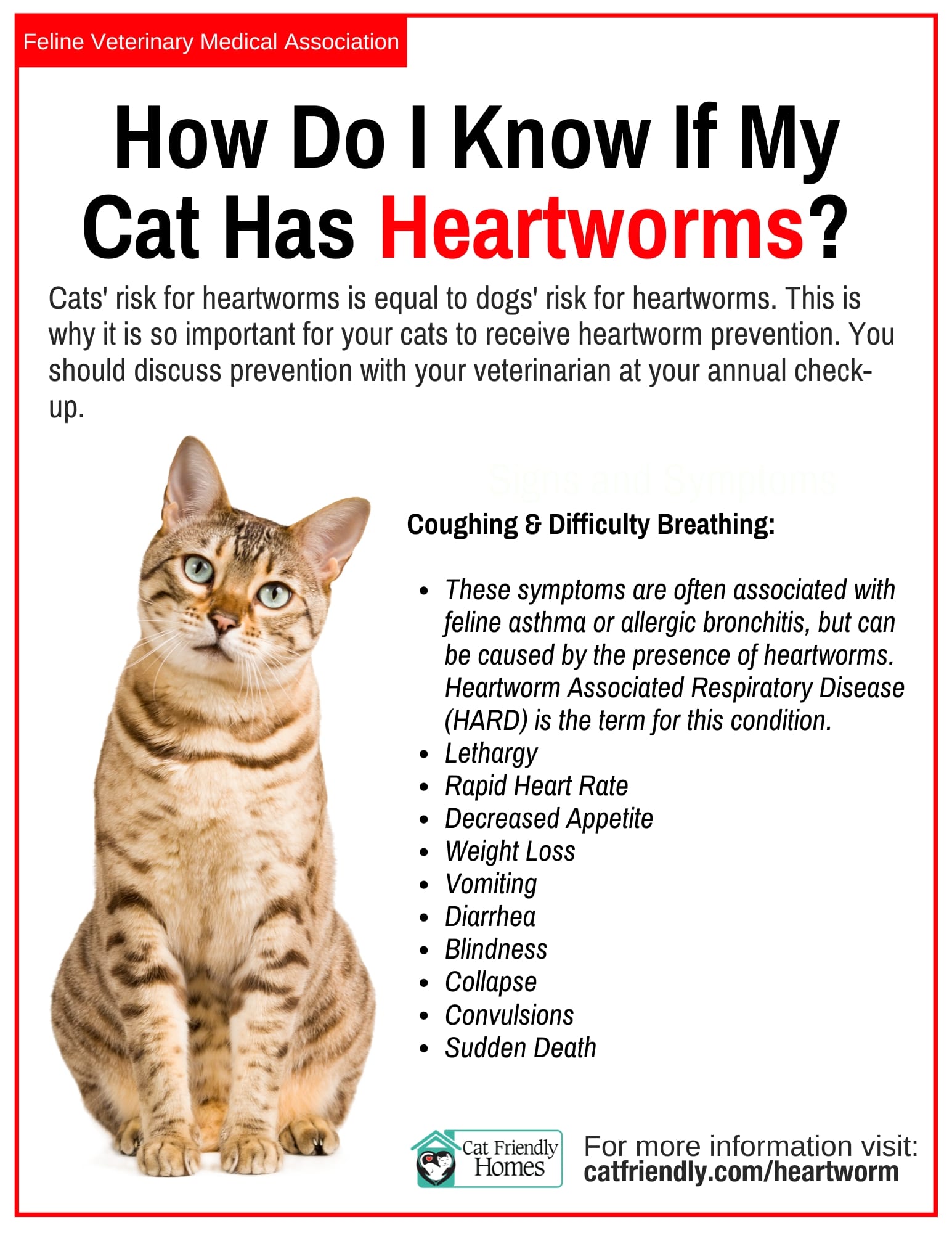
- Coughing: This can be a sign of lungworm infestation.
Veterinary Diagnosis of Worms
If you suspect your cat has worms, a veterinary examination is essential for accurate diagnosis and effective treatment. Your veterinarian will typically require a stool sample to perform a fecal examination, also known as a fecal flotation test. This test allows the vet to identify microscopic worm eggs in the feces. Even if you can visually identify worms, a fecal test helps confirm the diagnosis, identify all types of worms present, and rule out other potential health issues. It’s not uncommon for cats to be infected with multiple types of worms simultaneously.
Worm Treatment and Management
Fortunately, most common worm infections in cats are treatable with medications prescribed by a veterinarian. Treatment options include oral medications, topical applications, and sometimes injectable formulations. Common active ingredients in dewormers include pyrantel pamoate and praziquantel.
The duration and frequency of treatment depend on the specific worm and the severity of the infestation. Some worms may be eliminated with a single dose, while others require a series of treatments administered over several weeks. It is crucial to follow your veterinarian’s instructions precisely and attend all scheduled follow-up appointments and tests to ensure the treatment is effective.
In cases of severe infections, especially with hookworms or roundworms, or if an intestinal blockage occurs due to a heavy worm burden, hospitalization and even emergency surgery may be necessary. For digestive upset or to support the immune system during treatment, your vet might recommend a gastrointestinal probiotic like FortiFlora or Proviable.
Recovery and Long-Term Management
Cats typically begin to show improvement within a week of starting deworming treatment. However, it can take several weeks for the worms to be fully eliminated from the body. Multiple courses of medication may be required due to the life cycles of some parasites. Vomiting worms after treatment is possible as they die off and should resolve within a day or two. If excessive vomiting or signs of dehydration (like tacky gums or sunken eyes) occur post-treatment, contact your veterinarian immediately.
Preventing Worm Infestations
Proactive prevention is key to keeping your cat worm-free:
- Regular Deworming: Follow your veterinarian’s recommended deworming schedule. Kittens and newly adopted cats often require more frequent treatments.
- Fecal Testing: Regular stool testing (twice a year for indoor cats, four times a year for kittens and new cats) helps detect worm presence early.
- Flea Control: Effective flea prevention is vital, as cats can contract tapeworms by ingesting infected fleas during grooming.
- Keep Cats Indoors: Limiting outdoor access reduces exposure to contaminated environments and infected prey.
- Good Hygiene: Promptly clean litter boxes and wash your hands thoroughly after handling feces or petting your cat, especially before eating, to prevent the transmission of certain parasites to humans.
Frequently Asked Questions About Worms in Cats
Can humans get worms from cats?
Yes, humans can contract certain types of worms, like roundworms and toxoplasmosis, from cats through accidental ingestion of parasite eggs. This underscores the importance of good hygiene, such as thorough handwashing after cleaning litter boxes.
What do cat worms look like?
The appearance of cat worms varies by type. Roundworms resemble spaghetti, while tapeworm segments look like flat, white grains of rice.
What happens if worms in cats go untreated?
Untreated worm infestations can lead to significant health problems, including severe weight loss, dehydration, anemia, lethargy, intestinal blockages, and in severe cases, can be fatal.
How much does it cost to deworm a cat?
The cost of deworming medication can range from approximately $5 to $15 per treatment, though the total cost will depend on the type of medication, dosage, and the number of treatments required. Veterinary consultation fees may be additional.
Are there natural ways to get rid of worms in cats?
While some anecdotal evidence exists for natural remedies, they are not scientifically proven to be effective or safe for treating worm infestations in cats. Veterinary-prescribed medication is the most reliable and safe method for treating worms.
