
Cats may chew or bite their paws occasionally, often due to a minor irritation between their toes. However, when this behavior becomes frequent or severe, it can signal underlying pain and distress, potentially leading to chronic issues. Unlike humans, cats lack hands to easily address irritations, making chewing their primary method of relief. This can escalate into painful infections, lameness, and persistent skin conditions. If you observe your cat excessively chewing its paws, consulting a veterinarian is crucial.
When you notice your cat chewing its paws, a thorough examination is the first step:
- Inspect the paws: Carefully check the skin between the toes and pads for any signs of redness, swelling, or heat. Examine the nails for breaks, splits, or ingrown conditions, and look for swelling or discharge at the nail base.
- Search for foreign objects: Look closely between the toes and pads for anything lodged there, such as gravel, dried dirt, or tar.
- Check for abnormalities: Inspect each toe for lumps, unusual swelling, or signs of discomfort.
If you find dirt or debris, rinsing or bathing the paw can help clear away anything that might be hiding cuts or irritations. To prevent further damage from licking, consider distracting your cat. If the licking persists, an Elizabethan collar (cone) or an inflatable collar may be necessary. As a temporary measure, you can cover the paw with a cotton sock secured loosely with household tape for no more than six to eight hours. It’s also vital to keep the affected paw as dry and clean as possible. This may involve keeping your cat indoors and using a litter tray filled with wood or paper-based pellets, avoiding fine, gritty, or dusty litter.
Common Culprits Behind Feline Paw Chewing
Several factors can contribute to a cat chewing its paws:
- Foreign Bodies: Items like grass seeds, thorns, glass fragments, or ingrown nails can cause discomfort.
- Irritants: Contact with sticky substances, caustic materials, or irritants can lead to chewing.
- Pad Injuries: Cuts, cracks, or splits in the paw pads require attention.
- Nail Problems: Injuries to the nails or infections of the nail bed are common causes.
- Allergies: Cats can suffer from food allergies, contact dermatitis, or atopic dermatitis, all of which can manifest as skin irritation, including on the paws.
- Parasites: Harvest mites, also known as chiggers or berry bugs, can cause intense itching.
- Behavioral Issues: Boredom or stress can sometimes lead to compulsive behaviors like paw chewing.
- Pododermatitis: This is inflammation of the skin on the paws.
- Pain: Underlying pain in the joints or deeper soft tissues of the toes can also trigger paw chewing.
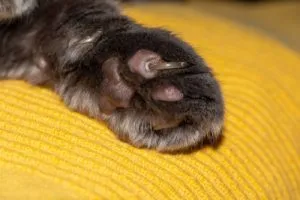 An ingrown nail can cause severe painAn ingrown nail can cause severe pain.
When to Seek Veterinary Assistance
It’s important to consult a veterinarian if your cat exhibits any of the following signs along with paw chewing:
- Behavioral Changes: Noticeable changes in demeanor, such as decreased appetite, lethargy, or a lack of interest in play.
- Limping: Difficulty walking or a noticeable limp.
- Swelling: Development of swelling on the foot or between the toes.
- Bleeding: Any signs of bleeding from the paw.
- Severe Biting: Open sores or raw skin resulting from excessive biting.
Veterinary telemedicine services can provide initial support and guidance if you’re unsure how to help your cat or whether a veterinary visit is necessary.
Proactive Measures to Prevent Paw Chewing
Preventing paw chewing involves a multi-faceted approach:
- Nail Care: Regularly trimming your cat’s nails can prevent them from splitting or tearing.
- Paw Hygiene: Clean your cat’s paws after they’ve walked through mud, gravel, or encountered road salt or grit.
- Allergy and Parasite Management: Promptly identify and treat any allergies or infestations like harvest mites. Regular anti-parasite treatments can significantly reduce the risk of mites.
- Pad Protection: Using balms or ointments can help nourish and maintain the health of paw pads and nails, especially during harsh weather conditions.
- Environmental Enrichment: Ensure your cat has ample physical and mental stimulation through exercise and engaging toys to combat boredom.
- Weight Management: Maintaining a healthy body condition is crucial, as being overweight can exacerbate skin diseases and joint problems.
Identifying the Cause: What to Look For
Observing specific symptoms when your cat chews its paws can offer clues to the underlying issue:
- Puncture Wounds: May indicate the presence of foreign bodies or infections.
- Pain Response: If your cat shows pain when a paw pad is pressed, it could signify a trapped foreign object.
- Swollen Toes: Can be a sign of infection, injury, or arthritis.
- Lumps Between Toes/Pads: May suggest foreign bodies.
- Tiny Red Dots: Small red spots on or between the short hairs of the toes and between the pads could indicate harvest mites.
- Associated Symptoms: Itching in the ears, general scratching, or excessive licking elsewhere on the body can point towards allergies or parasitic infestations.
At-Home Care for Mild Paw Chewing
While veterinary treatment is essential for persistent, severe, or distressing cases, you can offer supportive care for milder symptoms:
- Cleaning: Gently rinse or shower away any surface dirt from the paw.
- Soaking: Bathe the paw in warm salt water.
- Topical Treatments: For mildly inflamed or irritated skin, use an antiseptic or antibacterial gel, mousse, or wipe.
- Moisturizing: Apply soothing balms or ointments to mildly irritated paw pads.
- Protection: Use a cone collar or a soft bootie to prevent further chewing or licking until the irritation subsides.
Veterinary Treatments for Paw Issues
Veterinary interventions for cats chewing their paws are tailored to the specific diagnosis. Treatment options may include:
Prescription Medications:
- Topical Treatments: Creams, ointments, washes, and baths containing antibacterial, antifungal, or anti-inflammatory agents.
- Oral Medications: Antibiotics, antifungals, anti-inflammatory drugs (steroids or NSAIDs), painkillers, and immune-suppressing medications like antihistamines or cyclosporine.
- Injections: A single steroid injection for acute inflammation, antibiotics, or immune-boosting injections for allergies. Monthly injections may be prescribed for arthritis.
- Anti-parasitic Treatments: Sprays, spot-on treatments, or tablets to address parasitic infections.
Veterinary Procedures:
In some cases, minor or major surgical procedures may be recommended, often requiring sedation or general anesthesia. These can include:
- Removal of foreign bodies.
- Wound cleaning and surgical repair (stitching).
- Excision of lumps and growths.
- Trimming or removal of damaged nail fragments.
- Laser treatment for certain conditions.
Factors Influencing Paw Chewing Susceptibility
Certain cats may be more prone to paw chewing due to various factors, including breed predispositions, underlying health conditions, or environmental influences. Understanding these potential risk factors can aid in prevention and early intervention.
Less Common Causes of Paw Chewing
Beyond the frequently observed reasons, other possibilities for paw chewing include:
- Thermal Burns: From walking on hot surfaces like tar, sand, or heated tiles.
- Hookworm Infections: These parasites can sometimes affect the paws.
- Fungal Nail Infections: Similar to those affecting humans, these can cause discomfort in cats.
- Certain Cancers: Although rare, some types of cancer can affect the paws and lead to chewing.
