
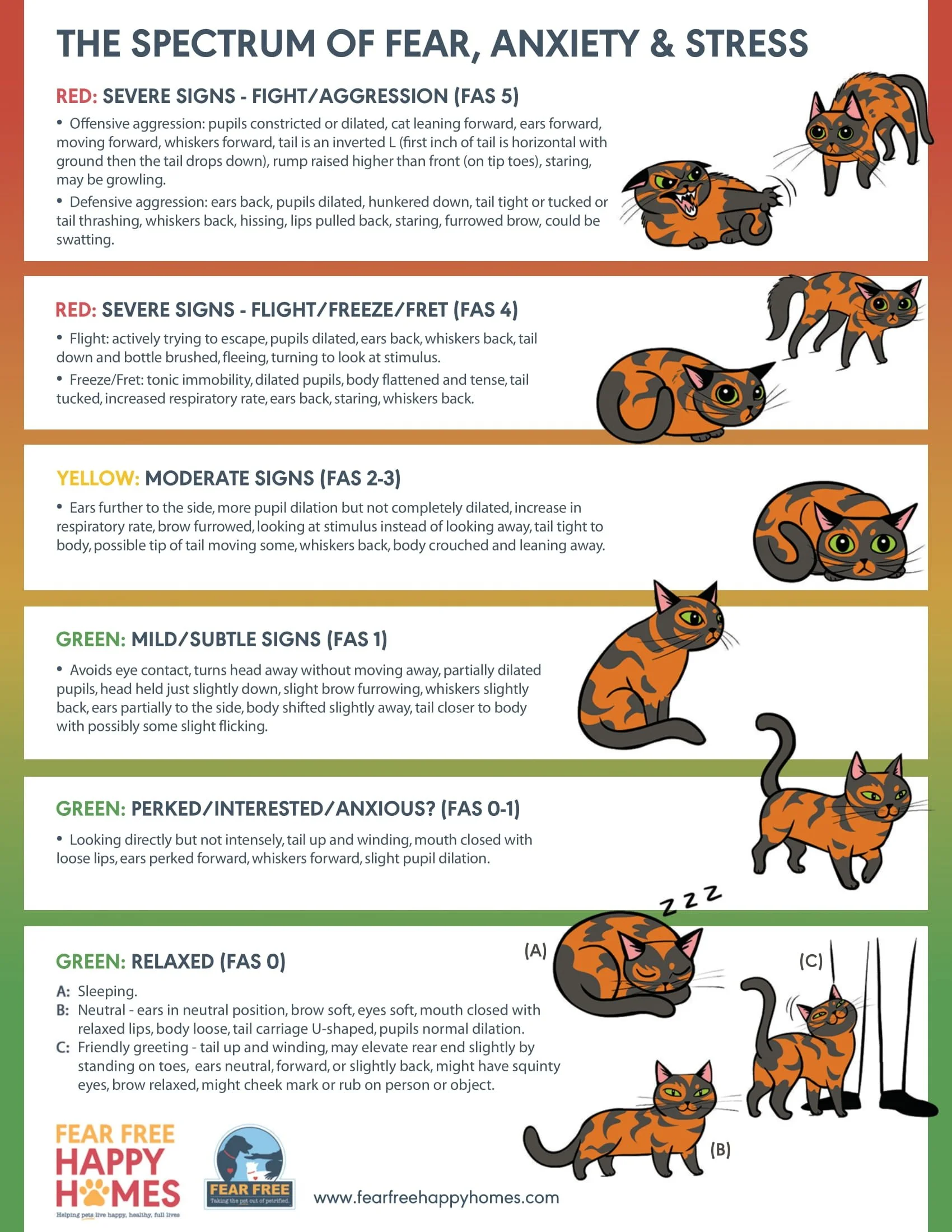
Feline behavior issues, particularly those related to elimination, are a common concern for cat owners. These problems can stem from litter box issues, social conflicts, anxiety, or aggression, which is often subtle and underestimated in cats. Ensuring your cat can engage in natural feline behaviors is crucial for both preventing and treating these issues. Key behavioral needs include hunting, eating, drinking, elimination, security, play, exploration, climbing, perching, and scratching. To satisfy hunting and feeding instincts, cats can be offered food in small portions throughout the day, with food or treats hidden in interactive toys that require manipulation. Engaging your cat in play with various toys, providing opportunities to chase and pounce, and offering batting toys, climbing structures, and scratching outlets can also fulfill their behavioral needs.
Positive reinforcement techniques, such as using treats or favorite toys, are effective for teaching cats appropriate behaviors like urinating, defecating, climbing, scratching, or perching in designated areas. Clicker training can be a valuable tool in this process. It’s important to avoid punishment, as it can instill fear and only suppress undesirable behavior when the owner is present. If problems persist, preventing access to areas where issues occur or making these areas unpleasant through taste, odor, touch, or motion-activated devices can be effective. Response substitution, where cats are trained to perform a desirable behavior in response to a command using food or toys, is another useful approach. Leashes and harnesses can also aid in training and safety. For fearful cats, short-term confinement in a quiet room with all necessities can help them feel secure. Once calm, gradual reintroduction using desensitization and counterconditioning techniques may be possible. Diagnosing and treating complex behavior problems typically requires consultation with a qualified feline behaviorist.
Aggression in Cats
Aggression towards people can be triggered by fear, play, or predatory instincts. Some cats may bite during petting, especially when resting, sleeping, or eating, or when approached while aroused. Aggression towards strangers is often fear-induced. A lack of early handling can lead to abnormal aggression towards people, though hereditary factors can also play a role, potentially resulting in a cat friendly with its owner but not others. Status-related aggression, or the “leave-me-alone bite,” can occur when a cat is disciplined, unlike in dogs, it’s not resource-related.
Aggression towards other cats in the household might stem from play, predation, redirected behavior, fear, or territorial disputes. Fear aggression arises in situations that frighten a cat, leading to avoidance or, if escape is impossible, aggression. Poor socialization, genetics, past punishment, or learned behaviors can contribute to fear aggression. Maternal aggression, typically seen in mother cats, can be excessive and harmful to kittens, usually resolving after weaning. Pain aggression is a defensive reaction to being moved or touched, and veterinarians always rule out medical causes for any sudden aggression. Redirected aggression occurs when a cat’s intended target is inaccessible, leading to an attack on a nearby cat or person. Predatory aggression involves stalking, pawing, pouncing, chasing, and biting. Play aggression, often seen with kitten play, includes biting, chasing, and mock fighting.
Treating Aggression
The primary step in treating aggression is to prevent further harm by separating aggressive cats and slowly reintroducing them with behavioral modification techniques. Cats can be conditioned to accept new stimuli through rewards. Consulting with a veterinarian is crucial for a successful treatment program, and early intervention generally yields better results.
Elimination Behavior Problems
Before addressing housesoiling, veterinarians always rule out medical causes, as conditions like urinary tract infections or gastrointestinal issues can lead to inappropriate urination or defecation. They will inquire about the frequency, location, and circumstances of accidents, as well as litter box details such as the number, location, cleaning routine, and type of litter used. Blood and urine tests are standard to exclude health conditions.
Spraying and Inappropriate Elimination
Spraying, or urine marking, involves expelling urine in a stream onto vertical surfaces, often accompanied by tail quivering. It’s more common in unneutered males, and neutering resolves spraying in about 90% of cases, though it can also be a sign of anxiety. Inappropriate elimination refers to urination and/or defecation on horizontal surfaces like carpets or beds. Cats may consistently choose the same spot (location preference) or surface (substrate preference). Litter box aversion occurs when cats avoid the litter box entirely. This avoidance can be due to aspects of the litter (texture, depth, scent, cleanliness), the box itself (size, shape, hood), its location, or negative experiences like insufficient cleaning or pain from medical issues. Conflict with other cats or fear can also lead to avoidance.
Treating Elimination Issues
Treatment involves addressing underlying anxieties, aggressive behaviors, maintaining a meticulously clean litter box, and identifying the cat’s preferred litter, box type, number of boxes, and location. Anxiety or marking may require medication and behavior modification. Punishment is strongly discouraged as it can worsen the problem. Your veterinarian can guide you in developing the best treatment plan.
Other Feline Behavior Issues
Hyperesthesia Syndrome
Hyperesthesia is a poorly understood condition causing extreme sensitivity to touch, particularly along the back. Affected cats may vocalize, become agitated, groom excessively, hiss, bite their back, or defecate. Veterinarians first rule out medical causes like pain or skin conditions. If no medical cause is found, a compulsive disorder might be suspected.
Compulsive Behaviors
Compulsive behaviors are normal actions that occur excessively or out of context, disrupting daily life. Common examples include excessive grooming and chewing of fabrics, plastics, or strings. Stress or anxiety often triggers these behaviors. Wool chewing is particularly noted in Siamese and related breeds and may be hereditary. Veterinarians can assist with behavior modification programs and medication.
Fear
Fear can develop from insufficient early socialization, frightening experiences, or be inherited. Cats may fear people, other animals, noises, or specific situations like car rides or vet visits. This can manifest as threatening behavior, aggression, avoidance, hiding, or spraying. Identifying the fear triggers is key, allowing your veterinarian to create a treatment plan that may include avoidance, behavior modification, and medication.
Older Cats
Older cats are prone to medical conditions that can cause abnormal behaviors. Cognitive dysfunction syndrome, akin to Alzheimer’s in humans, can lead to disorientation, agitation, anxiety, memory loss, housesoiling, and personality changes. Behavioral changes in senior cats warrant a veterinary appointment to rule out medical conditions and establish a suitable treatment plan.
Further Information
For more in-depth information, consult professional content regarding behavioral problems of cats.
