
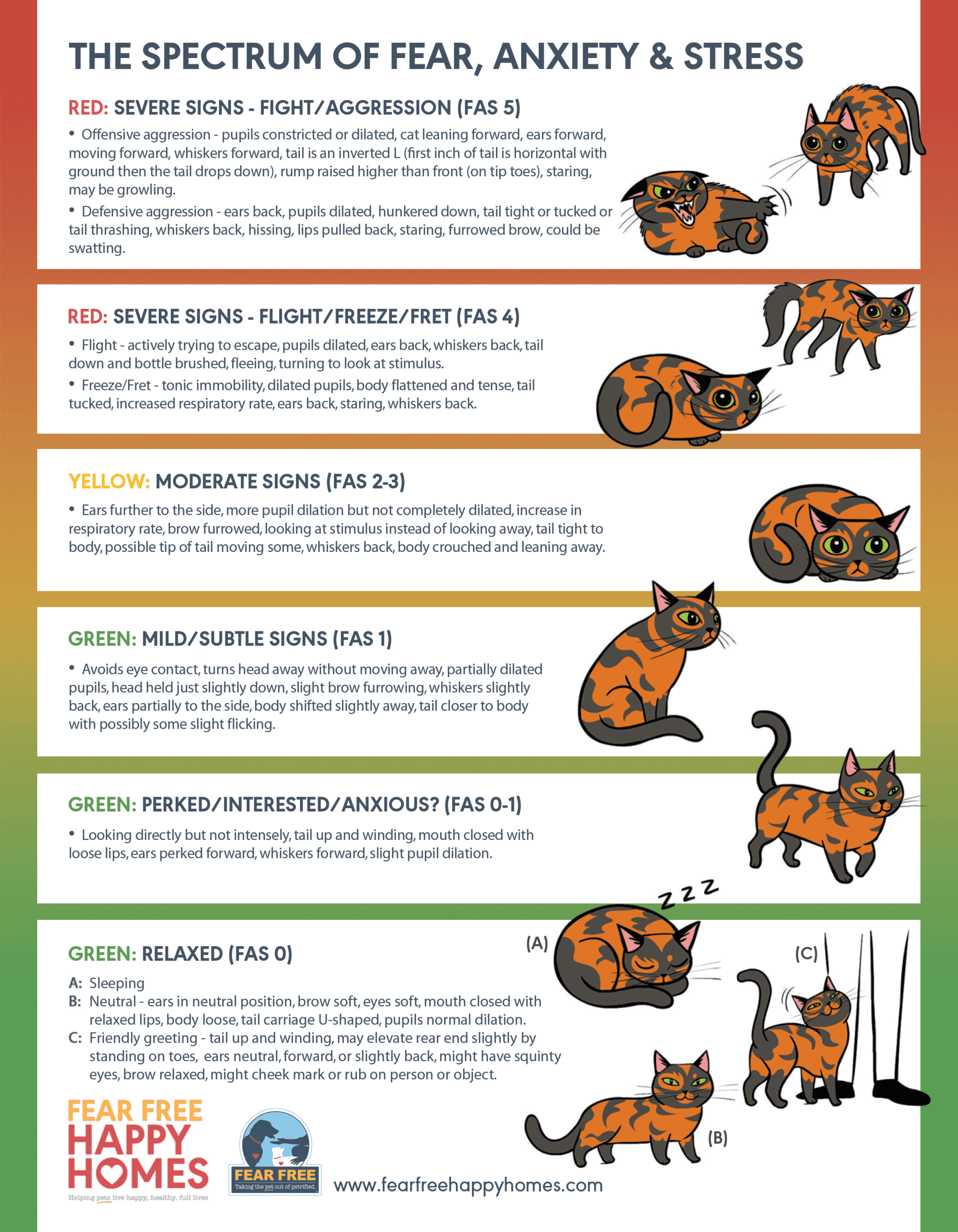
It’s a distressing situation when the feline friends in your home don’t see eye-to-eye. Several factors can contribute to cats not getting along, and understanding these root causes is the first step toward fostering a more harmonious environment. Often, the issue stems from undersocialization, meaning a lack of positive experiences with other cats during their critical early developmental stages. A cat that grew up as an only feline might react with fear and uncertainty when introduced to a new companion due to unfamiliarity, a deficit in social skills, and a disruption to their established routine and territory. Cats are inherently territorial creatures, and while some are more adaptable, many prefer clear boundaries. Introducing two unrelated male or female cats can also present unique challenges. Personality clashes are another common reason for feline friction; sometimes, despite our best intentions, we don’t select compatible housemates. Additionally, negative experiences, such as associating another cat with a frightening event like fireworks or a trip to the vet, can sour their relationship. As cats mature, typically between one and three years old, changes in social dynamics can also lead to aggression.
It’s crucial to remember that any abrupt alteration in your cat’s behavior could signal an underlying medical issue. If you observe any unusual physical or behavioral symptoms, or if your cat loses its appetite, seeking immediate veterinary attention is essential.
Exploring Different Types of Cat Aggression
Maternal Aggression: A mother cat fiercely protective of her litter may display hissing, growling, and even physical aggression towards other cats, including those she was previously friendly with. This behavior generally subsides after the kittens are weaned. Spaying aggressive mother cats is often recommended to prevent future litters and recurring aggression.
Play Aggression: Kittens and young cats commonly engage in boisterous play that mimics aggression. This involves stalking, chasing, pouncing, and mock-fighting. Key indicators of play include reciprocal roles, forward-facing ears, and bodies leaning forward, often with claws extended but without causing harm.
Strategies for Harmonizing Your Feline Household
- Avoid “Fighting it Out”: Allowing cats to fight rarely resolves conflict and often escalates aggression. Interrupt aggressive encounters with a loud noise, such as a clap of your hands, or a brief spray from a water gun.
- Neuter Your Cats: Intact male cats, in particular, are more prone to aggressive behaviors.
- Resource Separation: Mitigate competition by providing multiple, identical food bowls, beds, and litter boxes in various locations throughout your home.
- Increase Vertical Space: Offer more perches and hiding spots to allow your cats to establish personal space and reduce close-quarters tension.
- Respect Their Space: Avoid trying to comfort or soothe an aggressive cat; instead, give them distance. Approaching an agitated cat can sometimes lead to redirected aggression towards you.
- Reward Positive Interactions: Offer praise or treats when you observe your cats interacting in a friendly or calm manner.
- Consider Pheromones: Pheromone diffusers can help reduce tension by releasing synthetic feline facial pheromones, which are imperceptible to humans but can create a calming effect for cats. These can be particularly useful during the resolution of aggression issues.
Managing Mild Aggression or Pre-Existing Relationships
If the aggression is not severe, or if it arises between cats who previously got along, a gradual reintroduction process can be effective:
- Temporary Separation: House your cats in separate rooms for several days to weeks, ensuring each has their own resources (beds, bowls, litter boxes). This allows them to hear and smell each other without direct interaction.
- Positive Association: Place food bowls on opposite sides of a closed door. This encourages them to associate each other’s presence with a pleasant experience (eating).
- Scent Swapping: Daily, have the cats switch rooms to experience each other’s scents and break up the monotony. An assistant may be helpful for this to ensure safety.
- Gradual Doorway Introduction: Once both cats appear relaxed, slightly open the door (e.g., by one inch). If they remain calm, gradually increase the opening. If any aggressive signs (growling, hissing, swatting) reappear, re-separate them and repeat the gradual reintroduction.
- Tuna Juice Method: Some owners have found success by applying a small amount of tuna juice to their cats’ heads and bodies. This encourages a self-grooming behavior, which is naturally calming, making them less likely to focus on the other cat. In some cases, this may even lead to mutual grooming.
Addressing Severe Aggression or New Antagonisms
For severe aggression or between cats who have never coexisted peacefully, a more extended and cautious approach is necessary:
- Extended Separation: Maintain the separation as described above but for a longer duration. Reintroduction should proceed at a much slower pace, potentially over several weeks.
- Supervised Sessions: Instead of simply opening doors, conduct daily, short reintroduction sessions where cats are gradually brought closer under supervision. Using harnesses and leashes or confining cats in carriers can aid in control.
- Distraction and Distance: During these sessions, keep both cats distracted with food or play while they are initially at a significant distance. Focus on short, successful encounters.
- Prevent Relapse: Separate the cats between sessions to avoid setbacks.
- Supervised Coexistence: Only when cats can peacefully eat and play within a few feet of each other should they be left unsupervised for short periods. Gradually increase these unsupervised times.
- Behavioral Medication: In some cases, a veterinarian may prescribe medication to help reduce aggression in dominant cats or fear in timid cats, facilitating a smoother reintroduction process.
When Harmony Remains Elusive
If your cats continue to struggle to coexist peacefully, don’t hesitate to seek professional help. Contacting a Certified Applied Animal Behaviorist (CAAB or ACAAB) or a board-certified veterinary behaviorist (Dip ACVB) can provide expert evaluation and guidance. These specialists can help you manage or resolve conflicts between your cats. You can find a behaviorist in your area through resources like the Finding Professional Behavior Help article.
Ultimately, some cats may simply be incompatible. Persistent stress and tension are detrimental to both pets and their human companions. If forced coexistence leads to chronic suffering, finding a humane solution, such as permanently separating the cats within the home or finding a new home for one of them, may be the kindest option.
