
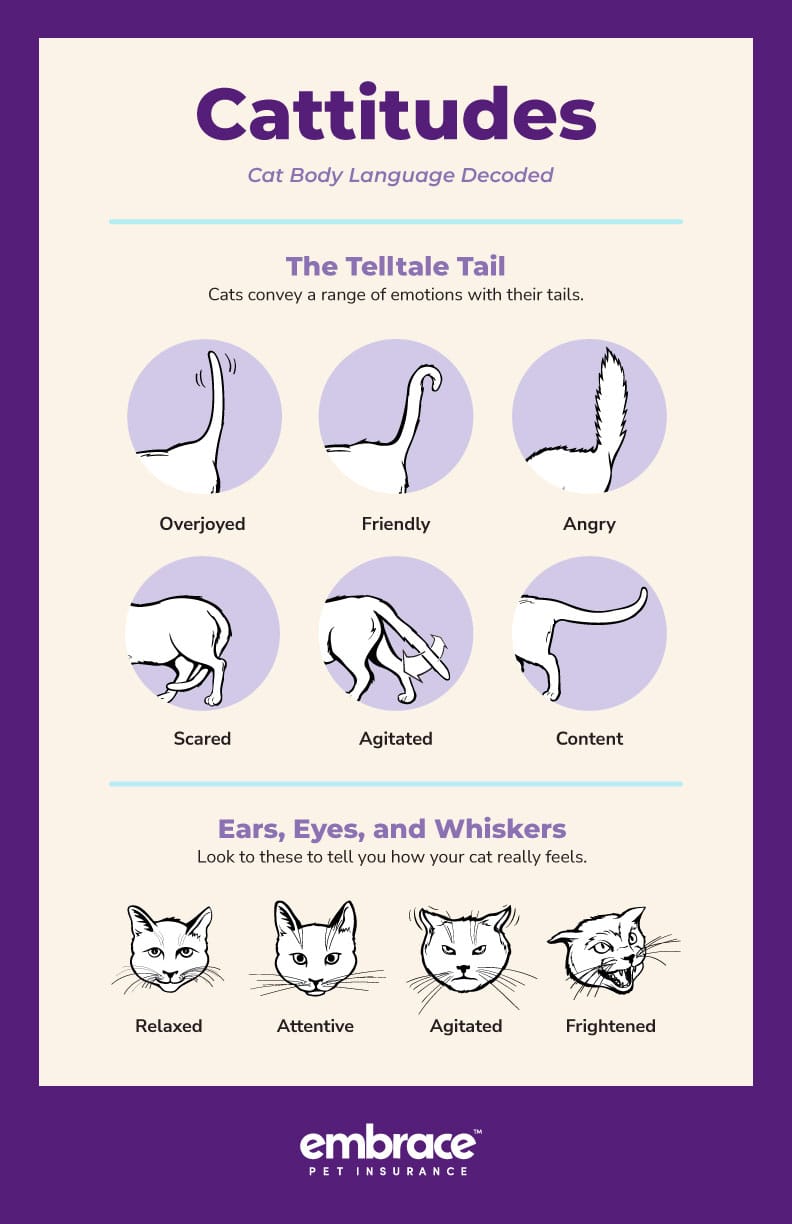
Cats’ instinctual need to hide is a fundamental aspect of their behavior, stemming from their dual role as predators and prey in the wild. This natural inclination serves as a crucial survival mechanism, enabling them to stalk prey and evade larger carnivores. Beyond survival, hiding offers a sense of security and relaxation, providing a quiet refuge from a bustling household or a playful dog. Many cats find solace in warm, dark, and secluded spots for uninterrupted naps. However, a sudden or prolonged increase in hiding behavior may signal an underlying health issue, necessitating a visit to the veterinarian to ensure your feline companion is well.
In my own home, each of my five cats exhibits unique hiding patterns influenced by their individual personalities. For instance, Abbey often retreats under the bed during the day, not out of fear, but simply for a peaceful rest. Oliver, on the other hand, is far more reserved with strangers. The moment he hears a knock or the doorbell, he disappears. He’s a master of concealment, often seeking refuge in the upstairs hall closet, nestled amongst linens. This behavior underscores how hiding provides comfort and a sense of safety, a refuge I respect for him when guests are present. By observing your cat’s hiding habits, you can gain insight into their emotional state and determine if their behavior warrants concern.
When to Be Concerned About Hiding Behavior
While hiding is a normal feline behavior, it can become a cause for concern if it disrupts essential daily activities such as eating, drinking, and using the litter box. If your cat hasn’t emerged from their hiding spot to eat for over a day, it’s advisable to consult a veterinarian. Even if your cat is eating and maintaining litter box habits, excessive hiding can indicate other issues. Behavioral problems should not be overlooked; for example, a cat might be hiding due to bullying from another pet in the household. In such cases, providing multiple resources like food and water stations in different locations and limiting interactions with the dominant cat can help the shyer cat feel secure. This also includes ensuring adequate playtime and enrichment activities to prevent boredom and reduce stress.
Your attentiveness to your cat’s hiding frequency and locations can offer valuable insights into their well-being. Any deviation from their usual behavior, including an increased tendency to hide, should be taken seriously. As previously mentioned, cats may hide when they feel unwell or are ill, a behavior rooted in their survival instincts. In the wild, perceived weakness can make an animal a target for predators, making concealment a protective measure. Cats are adept at masking pain, so when hiding becomes a primary behavior, it’s a strong indicator that a veterinary visit is a high priority. Understanding the nuances of cat suddenly hiding under bed can be crucial in these situations.
Recognizing Patterns in Feline Hiding
You may observe that your cats exhibit hiding behavior more frequently during specific times of the year or day. These patterns are often influenced by your geographical location, home environment, and your cat’s individual preferences. For instance, during colder months, cats might seek out warm spots, such as near a water heater or dryer. Alternatively, a more timid cat might retreat when the household becomes more active and noisy upon the family’s return from work or school. Cats are generally crepuscular, meaning they are most active during dawn and dusk, mirroring the activity patterns of their natural prey. If environmental noise and activity don’t faze them, you might see them engaging in more play during these hours and seeking solitude during other parts of the day or night. Cats may also have distinct preferred spots for lounging versus escaping, and these favored locations can change over time. This adaptability is common, much like how neutered male cats fighting might seek different territories than intact males.
Identifying Safe and Unsafe Hiding Spots
As a cat guardian, you play a role in determining whether a hiding spot is safe for your cat. If there are certain areas where you prefer your cat not to hide, offering an alternative with similar appealing qualities can be effective. For example, if your cat enjoys small, dark spaces, and you wish to redirect them from a less desirable spot, a cardboard box with a blanket inside, placed in a convenient location, can serve as an excellent alternative. It’s crucial to avoid startling your cat, yelling, or using water to deter them from a hiding spot, as these actions can breed fear and damage your bond, potentially increasing their desire to hide from you. Instead, consider restricting access to the spot by closing a door they cannot open. If a door isn’t an option, you can use scents that cats dislike, such as orange, peppermint, or cinnamon, or place a vinyl carpet runner with upward-facing nubs in the area to make it uncomfortable. Double-sided tape on placemats or cardboard can also deter them.
There are specific locations that pose significant dangers and are not suitable hiding spots for cats. Anecdotal evidence includes instances of electrocution behind clothes dryers and fatalities when cats become trapped and locked inside dryers, seeking warmth among laundry. If you have a laundry room or closet, ensure the door remains closed to prevent access to these appliances. As a safer alternative for cats who enjoy warm, soft spaces, consider purchasing heated cat beds that activate with pressure, providing warmth only when occupied. Adding familiar scents like old towels or t-shirts can make these beds more appealing. These can be placed in sunny windows or quiet, dark areas, catering to your cat’s preference. For owners concerned about deaf cat behavior, ensuring safe spaces is even more critical.
Providing your cats with readily available, appealing hiding places can enhance their sense of security and well-being. A simple cardboard box tipped on its side with a cozy bed inside can be sufficient for many felines and can be placed almost anywhere. If your cat favors hiding under furniture like a bed, placing a towel or blanket there can make the spot more comfortable and easier to clean. Similarly, hanging a blanket over a chair can create an instant tent. Offering diverse and engaging places for exploration and rest not only provides security and quiet but also serves as a valuable form of enrichment. This is particularly relevant for cats experiencing stress, similar to how cat nesting behavior indicates a need for security.
The most important aspect of managing hiding behavior in cats is to remain observant of any changes while acknowledging that their need for secluded spaces is natural. Allowing your feline companion to explore safe hiding spots and knowing their locations will enable you to find them quickly if necessary. Embracing your cat’s need to hide in safe and comfortable places is a fundamental way to allow them to express their natural feline behaviors. For those dealing with feline conflicts, understanding when my cats are fighting and how this impacts their need for safe spaces is vital.
