
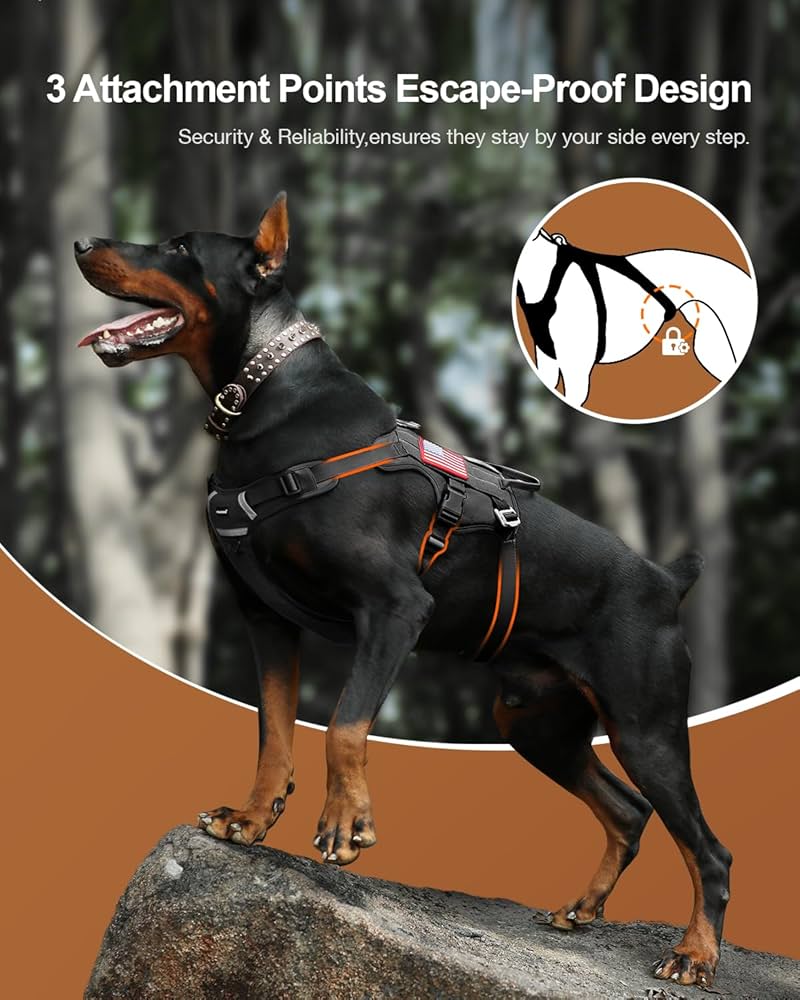
When it comes to equipping your canine companion for training, adventures, or even just daily walks, a reliable harness is a must-have. Among the many options available, the Carhartt Training Dog Harness has emerged as a popular choice for its durability, functionality, and brand recognition. But what exactly makes this harness stand out, and is it the right fit for your dog’s needs? This comprehensive guide delves into the world of the Carhartt training dog harness, exploring its features, benefits, and why it’s becoming a go-to for discerning dog owners.
Understanding the Need for a Training Harness
Before we dive specifically into the Carhartt model, it’s crucial to understand why a training harness is often preferred over a traditional collar. Collars, while suitable for identification tags, can exert pressure on a dog’s neck, which can be problematic for several reasons:
- Potential for Injury: For dogs that pull, a collar can lead to tracheal damage, choking, or even thyroid issues.
- Limited Control: Collars offer less directional control, making it harder to manage a strong-willed or easily distracted dog.
- Discomfort: Some dogs find collars restrictive or uncomfortable, especially during vigorous activity.
A well-designed training harness, on the other hand, distributes pressure across a dog’s chest and back, offering better control and comfort. This is particularly important during training sessions where consistent guidance is key. The Carhartt training dog harness aims to provide these benefits, infused with the brand’s signature toughness.
Why Choose the Carhartt Training Dog Harness?
Carhartt is renowned for its rugged workwear, built to withstand demanding conditions. This ethos is clearly translated into their dog gear. The Carhartt training dog harness is designed with durability and practicality at its core, catering to owners who lead active lifestyles with their dogs.
Key Features and Benefits
- Durable Construction: Made with robust materials, often a heavy-duty nylon or canvas, similar to their human apparel, this harness is built to last. It can withstand rough play, varied weather conditions, and the general wear and tear that comes with an active dog.
- Adjustable Fit: The harness typically features multiple adjustment points, allowing for a customized and secure fit for dogs of various shapes and sizes. This ensures comfort and prevents chafing or slippage, which is essential for effective training.
- Sturdy Attachment Points: It usually includes at least two leash attachment points – one on the back (for general walking and casual control) and one on the chest (for better anti-pulling control). This versatility allows owners to adapt their handling technique based on the situation.
- Comfort Padding: Many Carhartt harnesses incorporate padding in key areas, such as around the neck and chest, to enhance comfort during extended wear. This is crucial for training sessions that might last a while or for dogs that are sensitive.
- Reflective Accents: For safety during low-light conditions, some models include reflective stitching or accents, increasing visibility and reducing the risk of accidents.
- Ease of Use: Despite its robust build, the harness is generally designed for easy on-and-off application, saving time and hassle, especially when you’re eager to get out for a walk or training session.
Finding the Right Fit: A Crucial Step
The effectiveness and comfort of any harness, including the Carhartt training dog harness, depend heavily on a proper fit. A harness that is too tight can restrict movement and cause discomfort or injury, while one that is too loose can slip, offering less control and potentially causing chafing.
Here’s how to ensure you get the best fit for your dog:
- Measure Your Dog: Use a soft tape measure to determine your dog’s girth (the widest part of their chest, just behind the front legs) and neck circumference. Compare these measurements to the sizing chart provided by Carhartt for their dog harnesses.
- Adjust Properly: Once you have the harness, adjust the straps to be snug but not tight. You should be able to comfortably slip two fingers between the harness straps and your dog’s body.
- Check for Rubbing: After a short wear, especially during activity, check your dog’s skin for any signs of redness or irritation, particularly around the leg openings and chest.
- Ensure Secure Leash Attachment: Make sure the leash attaches securely to the intended D-rings without putting undue stress on the harness material.
When to Use the Carhartt Training Harness
The Carhartt training dog harness is versatile and can be employed in various scenarios:
- Basic Obedience Training: Its design offers excellent control for teaching commands like ‘sit,’ ‘stay,’ and ‘come.’ The front leash attachment is particularly useful for discouraging pulling.
- Walking and Hiking: For active dogs that enjoy exploring, the durable construction and comfortable fit ensure a secure and pleasant experience.
- Managing Strong Pullers: If your dog tends to pull on the leash, the front-clip design of the Carhartt harness can help redirect their forward momentum, making walks more manageable.
- Canine Sports: For activities like agility, nose work, or dock diving, a secure and comfortable harness is essential for freedom of movement and reliable control.
Integrating the Carhartt Harness into Your Dog’s Routine
When introducing a new harness to your dog, it’s essential to do so gradually. Some dogs may need time to adjust to wearing a harness. Start with short periods indoors, offering praise and treats. Gradually increase the duration and introduce it on short walks before embarking on longer excursions or intense training sessions.
Training Tips with the Carhartt Harness
- Positive Reinforcement: Always use positive reinforcement methods. Pair the harness with treats, praise, and play to create a positive association.
- Leash Manners: Use the front-clip attachment for training loose-leash walking. When your dog pulls, gently redirect them towards you. Reward them when the leash is slack.
- Consistency is Key: Ensure all members of the household use the harness and leash consistently, reinforcing the same commands and expectations.
Frequently Asked Questions About the Carhartt Training Dog Harness
Q: Is the Carhartt training dog harness suitable for all dog breeds?
A: While the harness is designed to be adjustable, it’s best suited for breeds with a typical canine body shape. Measure your dog carefully against the sizing chart to ensure a good fit, especially for very small or unusually proportioned breeds.
Q: How do I clean the Carhartt training dog harness?
A: Most Carhartt dog harnesses can be spot cleaned with mild soap and water. For more thorough cleaning, check the care label, but generally, a gentle hand wash and air dry is recommended to maintain the material’s integrity.
Q: Can this harness be used for everyday wear, or only for training?
A: While designed for training, its durability and comfort make it suitable for everyday use, especially for active dogs. However, always ensure it fits correctly and doesn’t cause any discomfort if worn for extended periods.
Q: Does the Carhartt harness have a handle for better control?
A: Many Carhartt training harnesses do include a sturdy handle on top, which provides an extra point of control for situations requiring immediate assistance or guiding your dog over obstacles.
Conclusion: A Rugged Companion for Your Dog’s Adventures
The Carhartt training dog harness embodies the brand’s commitment to quality, durability, and functionality. It offers dog owners a reliable tool for training, walking, and adventuring with their canine companions. By understanding its features, ensuring a proper fit, and integrating it thoughtfully into your dog’s routine, you can leverage the Carhartt harness to enhance communication, control, and comfort for both you and your dog. It’s more than just a piece of gear; it’s an investment in your dog’s training journey and a testament to the enduring bond you share.
