
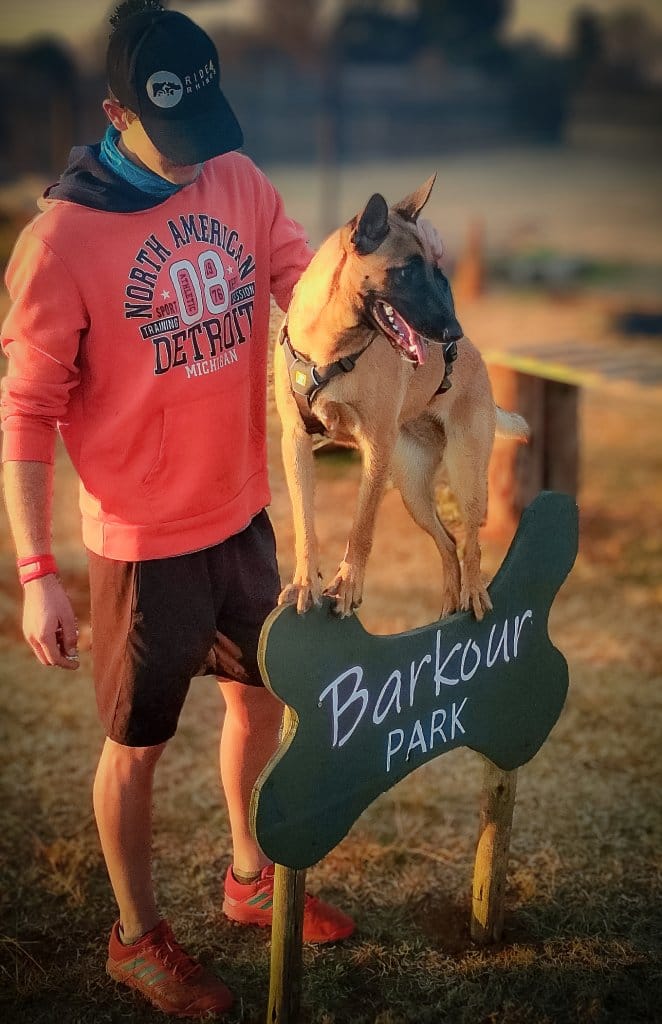
Are you looking for a way to bond with your dog, keep them physically and mentally stimulated, and maybe even compete? Canine sports offer an incredible avenue for just that. Whether your dog is a seasoned athlete or just starting out, understanding the world of canine sports and training is key to unlocking their full potential. It’s more than just a game; it’s about building a partnership, fostering communication, and celebrating the incredible capabilities of our four-legged friends.
The Exciting World of Canine Sports
Canine sports encompass a wide array of activities that challenge dogs in different ways, testing their agility, speed, intelligence, and obedience. These sports are designed to be fun and engaging for both the dog and the handler, strengthening their relationship with every training session and competition. From the precision of obedience trials to the sheer exhilaration of agility courses, there’s a sport for almost every breed and personality.
Agility: The Ultimate Test of Speed and Coordination
Agility is perhaps one of the most visually dynamic canine sports. Dogs navigate a complex obstacle course, including jumps, tunnels, weave poles, and A-frames, all under the guidance of their handler. It requires a strong bond, clear communication, and a dog that is both physically fit and mentally sharp. Training for agility can significantly improve a dog’s confidence and responsiveness. If you’re considering agility, exploring resources like proper paws dog training can provide a solid foundation.
Obedience Trials: Precision and Focus
Obedience trials focus on a dog’s ability to perform a series of specific commands with precision and enthusiasm. This sport hones a dog’s listening skills and reinforces good manners, making them a more well-behaved companion in everyday life. It’s a fantastic way to build a strong working relationship, based on trust and mutual understanding.
Rally Obedience: A Fun, Flowing Challenge
Rally obedience combines elements of traditional obedience with a more playful, flowing format. Handlers and dogs move through a course of numbered signs, each directing them to perform a specific obedience exercise. It’s less formal than traditional obedience and encourages a more positive, interactive training style.
Dock Diving: For the Water-Loving Canine
If your dog loves to swim, dock diving might be the perfect sport. Dogs launch themselves off a dock into a pool of water to retrieve a toy, with competitions judged on the distance of their leap. It’s a high-energy sport that is great for breeds that have a natural inclination for water.
Flyball: A Fast-Paced Relay Race
Flyball is a team sport where two teams of dogs race side-by-side over a course of hurdles to retrieve a ball from a spring-loaded mechanism. It’s a thrilling, fast-paced activity that showcases a dog’s speed, drive, and teamwork.
Disc Dog (Frisbee): Aerial Acrobatics
Disc dog competitions involve dogs catching frisbees thrown by their handlers. Events can range from simple distance throws to elaborate freestyle routines incorporating multiple discs, jumps, and tricks. It’s a great way to improve a dog’s coordination and provide vigorous exercise.
Essential Training Principles for Canine Sports
Success in any canine sport hinges on consistent, positive, and effective training. It’s not just about teaching commands; it’s about building a partnership based on clear communication and mutual respect.
Positive Reinforcement is Key
Modern dog training for sports overwhelmingly relies on positive reinforcement methods. This means rewarding desired behaviors with treats, praise, or play. It creates a positive association with training and makes learning enjoyable for the dog. Harsh corrections can lead to fear, anxiety, and a breakdown in communication, which is detrimental in sports that require trust and confidence.
Building a Solid Foundation
Before diving into specific sports, ensure your dog has a strong foundation in basic obedience. Commands like “sit,” “stay,” “come,” and “down” are crucial building blocks for more complex sport-specific training. Resources on best dog training guide can offer valuable insights into establishing these fundamentals.
Understanding Your Dog’s Breed and Temperament
Different breeds and individual dogs have different strengths and aptitudes. A Border Collie might naturally excel at agility, while a Golden Retriever might thrive in obedience. It’s important to choose a sport that aligns with your dog’s physical capabilities, energy levels, and personality. Consulting with experienced trainers, perhaps those specializing in dog trainer rhode island services, can help you match your dog to the right activity.
Consistency and Patience
Training takes time, patience, and consistency. Set realistic goals, celebrate small victories, and don’t get discouraged by setbacks. Regular, short training sessions are often more effective than long, infrequent ones.
Socialization
Proper socialization is vital, especially for dogs participating in sports where they will encounter other dogs and people in a stimulating environment. Early and positive exposure helps dogs learn to manage their excitement and focus on their handler.
Getting Started in Canine Sports
Ready to get your dog involved in the exciting world of canine sports? Here’s how to begin:
1. Research Local Clubs and Facilities
Many communities have dog training clubs, agility facilities, or other organizations dedicated to canine sports. These groups often offer classes, workshops, and practice sessions. Look for local expertise, such as partners dog training cave creek.
2. Attend Events as a Spectator
Watching a competition can be incredibly inspiring and informative. You’ll get a feel for different sports, observe training techniques, and see dogs of various breeds in action.
3. Enroll in Beginner Classes
Start with introductory classes in the sport that interests you most. A good instructor will guide you through the basics, ensure you’re using proper techniques, and help you build a solid foundation with your dog. This is where learning about techniques like precision k9 work austin dog training can be beneficial.
4. Focus on Fun
Above all, remember that the primary goal is to have fun with your dog. Sports should be an enjoyable experience that strengthens your bond, not a source of stress for either of you.
Health and Safety Considerations
Participating in canine sports requires a commitment to your dog’s health and safety.
Veterinary Check-ups
Ensure your dog is in good health before starting any strenuous activity. Regular veterinary check-ups are essential to identify any underlying health issues that could be exacerbated by training or competition.
Proper Conditioning
Just like human athletes, dogs need to be conditioned for their sport. Gradually increase the intensity and duration of training sessions to build stamina and muscle strength. Warm-up and cool-down periods are also important to prevent injuries.
Appropriate Gear
Depending on the sport, you might need specific gear, such as harnesses, leashes, or protective booties. Ensure any equipment fits properly and is safe for your dog.
Recognizing Overexertion
Be aware of the signs of overexertion or injury in your dog, such as excessive panting, lagging behind, limping, or reluctance to continue. Always prioritize your dog’s well-being over a competition.
The Rewards of Canine Sports Training
Engaging in canine sports offers a wealth of benefits that extend far beyond the playing field. It provides dogs with essential mental and physical stimulation, reducing the likelihood of boredom-related behavioral problems. The collaborative nature of these activities deepens the owner-dog bond, fostering trust and improving communication. Furthermore, participating in sports can boost a dog’s confidence and social skills, making them more adaptable and well-adjusted companions. Ultimately, “Canine Sports Dog Training” is about celebrating the incredible partnership we share with our dogs and enriching both their lives and ours.
