
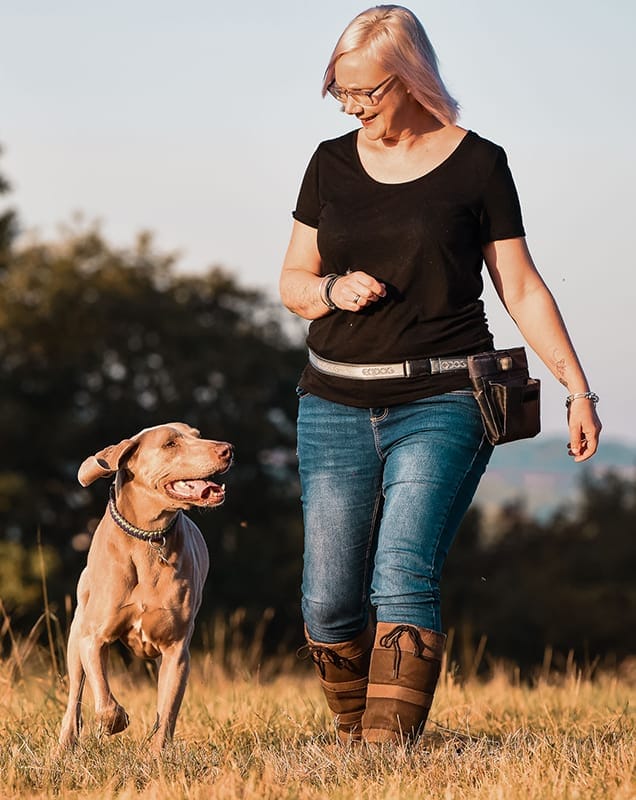
The bond between humans and dogs is ancient and profound, a silent language spoken through shared moments and mutual understanding. At the heart of this connection lies effective communication, and for many, that means diving into the world of Canine Connection Dog Training. Whether you’re a seasoned dog owner or welcoming your first furry family member, understanding how to train your dog is paramount to building a harmonious relationship. This isn’t just about teaching sit and stay; it’s about fostering trust, encouraging positive behavior, and ensuring your dog thrives as a happy, well-adjusted companion.
Dog training has evolved significantly, moving beyond outdated, punitive methods to embrace a more empathetic and science-based approach. Today, the focus is on positive reinforcement, understanding canine psychology, and building a partnership rather than asserting dominance. Canine connection dog training emphasizes the relationship, viewing training as a collaborative effort that strengthens the human-animal bond. It’s about making training enjoyable and rewarding for both you and your dog, ensuring that learning is a positive experience that reinforces your connection.
The Science Behind the Wagging Tail: Understanding Canine Behavior
Before embarking on any training journey, it’s crucial to understand the fundamental principles of canine behavior. Dogs communicate through a complex system of body language, vocalizations, and scent. Learning to read these signals is the first step in establishing a true connection. A wagging tail, for instance, doesn’t always signify happiness; it can indicate excitement, anxiety, or even agitation depending on the context and the dog’s overall posture.
Understanding a dog’s natural instincts is also key. Breeds were developed for specific purposes, and these inherent traits still influence their behavior. A herding dog might try to herd children, while a scent hound will be driven by its nose. Recognizing these predispositions helps us manage expectations and tailor training methods accordingly. For example, a dog that’s naturally very active will need more physical and mental stimulation than a more laid-back breed.
“The greatest gift you can give your dog is your time and attention. Training is not just about obedience; it’s about building a life-long partnership based on trust and mutual respect.” – Dr. Emily Carter, Canine Behaviorist
This foundational knowledge allows us to approach training with a deeper understanding, leading to more effective and compassionate methods. It shifts the focus from correcting unwanted behaviors to proactively teaching and reinforcing desired ones, thereby strengthening the canine connection dog training seeks to achieve.
Positive Reinforcement: The Cornerstone of Modern Dog Training
Positive reinforcement is the most widely recommended and effective training technique today. It works by rewarding desired behaviors, making it more likely that the dog will repeat them. Rewards can include treats, praise, toys, or even a favorite activity. The key is to make the reward contingent on the desired behavior, delivered immediately so the dog associates the action with the positive outcome.
This method is not only effective but also builds a strong positive association with training and with you, the owner. When dogs learn that performing certain actions leads to pleasant consequences, they become more eager to participate and please. This proactive approach helps prevent behavioral issues by rewarding good choices rather than punishing mistakes. It fosters a sense of confidence in the dog and deepens the trust between you.
When implementing positive reinforcement, consistency is vital. Everyone in the household should be on the same page regarding commands, rewards, and training strategies. This consistency ensures that the dog is not confused by mixed signals. For instance, if one person allows the dog on the furniture while another does not, the dog will struggle to learn the rule. This unified approach is fundamental to successful canine connection dog training.
Essential Training Commands and Techniques
While the philosophy of canine connection dog training is about the relationship, mastering basic commands provides a practical framework for daily life and ensures safety.
Sit
The “sit” command is often the first one taught. It’s a foundational behavior that can help manage excitement and establish impulse control.
- Lure: Hold a treat near your dog’s nose.
- Guide: Move the treat up and slightly back over their head. As their nose follows the treat, their rear end will naturally lower.
- Reward: The moment their rear touches the ground, say “Yes!” or use a clicker, and give them the treat and praise.
- Add Cue: Once they reliably follow the lure, start saying “Sit” just as their rear begins to lower.
Stay
“Stay” teaches your dog to remain in a specific position until released. This command is crucial for safety, preventing your dog from wandering into dangerous situations.
- Start Simple: Ask your dog to sit or lie down.
- Give the Cue: Say “Stay” and hold your hand up, palm facing your dog.
- Short Duration: Take just one step back, then immediately return and reward if they remained in place.
- Increase Distance and Duration: Gradually increase the number of steps you take away and the amount of time you expect them to stay. Always return to your dog to reward them before releasing them with a word like “Okay” or “Free.”
Come
The “come” or recall command is arguably the most important for your dog’s safety. A reliable recall can prevent serious accidents.
- Make it a Party: When your dog is a short distance away, call their name followed by “Come!” Use an excited, happy tone of voice.
- Reward Extravagantly: When they reach you, shower them with praise, treats, and a favorite toy. Make coming to you the best thing ever.
- Never Punish: Never call your dog to you for a reprimand or a bath. This will teach them to be hesitant to come when called.
- Practice: Practice in various environments, starting in a quiet, enclosed space and gradually moving to more distracting areas. For advanced training and specific scenarios, explore resources like no nonsense dog training for comprehensive strategies.
Leash Training
Walking politely on a leash is essential for enjoyable outings. The goal is for the dog to walk beside you without pulling.
- Loose Leash: Reward your dog with treats and praise whenever the leash is slack.
- Stop Pulling: If your dog pulls, stop walking immediately. Only resume when the leash loosens.
- Gentle Guidance: Use gentle leash corrections only if necessary, and always pair them with positive reinforcement when they walk correctly. Consider resources such as the petsafe basic remote trainer manual for guidance on using specific training tools appropriately.
Socialization: Building Confident Canines
Socialization is the process of exposing puppies to a wide variety of people, places, sounds, and experiences in a positive and controlled manner. This critical developmental period, typically from 3 to 16 weeks of age, helps shape a dog’s temperament and prevents fear-based behaviors later in life. Proper socialization is a cornerstone of canine connection dog training, ensuring your dog is comfortable and confident in diverse environments.
A well-socialized dog is less likely to exhibit fear, aggression, or anxiety in novel situations. This includes meeting different types of people (children, elderly, people with hats or uniforms), encountering other friendly dogs, and experiencing various sounds (traffic, vacuum cleaners, thunderstorms) and surfaces. Enrolling in puppy group training classes near me can be an excellent way to facilitate safe and structured socialization experiences.
“Early and positive exposure is the key to a well-adjusted dog. It’s not just about meeting other dogs; it’s about learning that the world is a safe and interesting place.” – Mark Johnson, Professional Dog Trainer
Without adequate socialization, dogs may become fearful or reactive, making everyday situations challenging for both the dog and the owner. This can lead to difficulties in public spaces, vet visits, and even interactions with friends and family. Investing time in socialization pays dividends throughout the dog’s life, contributing significantly to the canine connection dog training aims to cultivate.
Addressing Common Behavioral Challenges
Even with the best training, behavioral issues can arise. Understanding the root cause is key to effective solutions.
Barking
Excessive barking can stem from various causes: boredom, attention-seeking, fear, territoriality, or separation anxiety.
- Identify the trigger: Observe when and why your dog barks.
- Management: If it’s boredom, increase exercise and mental stimulation. If it’s attention-seeking, ignore the barking and reward quiet behavior.
- Counter-conditioning: For fear or territorial barking, gradually expose your dog to the trigger at a distance where they don’t react, pairing it with positive rewards.
Chewing
Chewing is a natural dog behavior, but destructive chewing usually indicates boredom, anxiety, or teething in puppies.
- Provide appropriate outlets: Offer a variety of safe chew toys.
- Supervision: Puppy-proof your home and supervise your dog.
- Redirect: If you catch your dog chewing something inappropriate, redirect them to an acceptable chew toy.
Jumping Up
Jumping is often an enthusiastic greeting behavior, but it can be overwhelming.
- Ignore the jump: Turn away or step back when your dog jumps.
- Reward calm behavior: Greet and reward your dog only when all four paws are on the floor.
- Teach an alternative: Train your dog to sit for greetings.
For persistent or severe behavioral issues, consulting a certified professional dog trainer or a veterinary behaviorist is highly recommended. They can provide tailored strategies and support, ensuring that training remains a positive experience and furthers the canine connection dog training promotes. If you’re located in Illinois, consider exploring options like dog training crystal lake il to find local expertise.
The Lifelong Journey of Canine Connection
Training your dog isn’t a one-time event; it’s an ongoing process that evolves as your dog matures. The principles of canine connection dog training—understanding, positive reinforcement, clear communication, and consistent practice—serve as a lifelong guide for building and maintaining a strong, fulfilling relationship with your canine companion.
Remember that every dog is an individual, with their own personality, learning style, and history. Be patient, be consistent, and celebrate every success, no matter how small. The journey of training is as much about your own growth as a dog owner as it is about your dog’s development. By embracing the collaborative spirit of canine connection dog training, you unlock a deeper understanding, a stronger bond, and a lifetime of shared adventures. Whether it’s learning a new trick or simply enjoying a peaceful walk, every moment strengthens the incredible connection you share. You might even find inspiration in stories like film about dog at train station, which beautifully illustrate the profound impact dogs have on our lives.
