
Welcome to the world of canine clarity, where understanding and effective training transform your furry friend into a well-behaved companion. This isn’t just about teaching commands; it’s about building a strong, trusting bond that enriches both your lives. Whether you’re a new puppy parent or looking to refine the skills of a seasoned dog, mastering dog training is a journey worth embarking on. Let’s dive into how you can achieve that remarkable understanding and connection with your canine.
The Foundation: Understanding Canine Behavior
Before we lay down any training commands, it’s crucial to understand the ‘why’ behind a dog’s actions. Dogs, much like humans, are driven by instincts, needs, and learned behaviors. Recognizing these can unlock the secrets to successful training.
Instincts at Play
Many of a dog’s behaviors stem from their ancestral roots. Herding breeds might exhibit nipping at heels, not out of aggression, but from an ingrained instinct to control movement. Similarly, a dog’s desire to chew is a natural outlet for stress, boredom, or teething discomfort. Understanding these instincts helps us redirect unwanted behaviors into more acceptable ones, rather than punishing natural actions. For instance, providing appropriate chew toys can satisfy the urge to chew, reducing the likelihood of your dog targeting your favorite shoes.
Communication: Beyond Barks and Wags
Dogs communicate through a complex language of body posture, tail wags, ear positions, and vocalizations. A loosely wagging tail with a relaxed body often signals happiness, while a stiff tail held high can indicate arousal or even a warning. A dog that is cowering with its tail tucked is clearly displaying fear or submission. Learning to read these signals is paramount for effective communication. Misinterpreting a dog’s body language can lead to misunderstandings, fear, or even aggression, both from the dog and towards the dog.
The Role of Environment and Socialization
A dog’s environment and early socialization experiences play a massive role in shaping their behavior and trainability. A dog exposed to various sights, sounds, people, and other animals from a young age is more likely to be confident and less fearful in new situations. Conversely, a dog that has had limited exposure may become anxious or reactive. This is where dedicated socialization efforts, ideally starting from puppyhood, become indispensable.
Core Principles of Effective Dog Training
At the heart of canine clarity lies a set of training principles that prioritize positive reinforcement and clear communication. These aren’t just ‘nice-to-have’ strategies; they are the bedrock of building a positive relationship with your dog.
Positive Reinforcement: The Power of Rewards
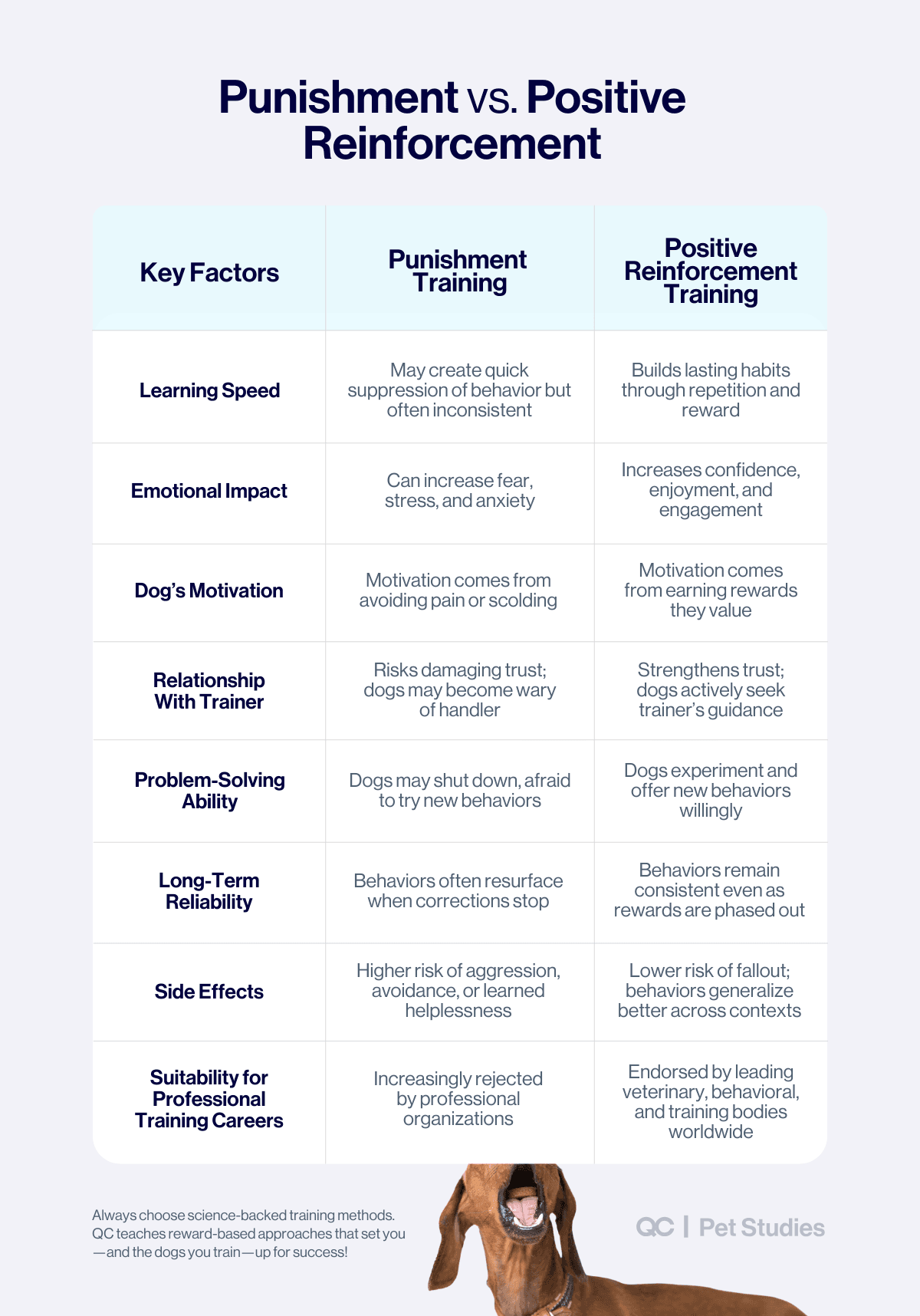
Positive reinforcement is widely considered the most effective and humane approach to dog training. It involves rewarding your dog for desired behaviors, making them more likely to repeat those actions. Rewards can include:
- Treats: Small, high-value treats are excellent motivators.
- Praise: Enthusiastic verbal praise, like “Good boy!” or “Yes!”, delivered in a happy tone.
- Affection: A good scratch behind the ears or a belly rub.
- Toys: A quick game of tug or fetch.
The key is to deliver the reward immediately after the desired behavior occurs, so your dog clearly associates the action with the positive outcome. This immediate feedback is crucial for their understanding.
Consistency is Key
Inconsistency is one of the biggest hurdles in dog training. If your dog is allowed on the sofa one day but scolded for it the next, they will become confused and anxious. Establish clear rules and ensure everyone in the household enforces them consistently. This applies to commands, boundaries, and routines. Imagine the confusion if one family member allows jumping up for attention, while another consistently corrects it. Your dog simply won’t know what’s expected.
Timing and Patience
Timing is everything in dog training. You need to reward or correct the behavior as it happens. A reward delivered too late won’t be associated with the correct action. Similarly, patience is a virtue every dog owner must cultivate. Every dog learns at a different pace. Some will grasp new commands quickly, while others may take more time and repetition. Avoid frustration; instead, break down complex behaviors into smaller, manageable steps.
Clear and Concise Commands
Use clear, distinct verbal cues for each command. Avoid long, rambling sentences. A simple “Sit,” “Stay,” or “Come” is far more effective than “Fido, would you mind sitting down for a moment, please?” Once a command is given, ensure your dog has the opportunity to respond before repeating it.
Essential Commands for Canine Clarity
Mastering a few fundamental commands can dramatically improve your dog’s behavior and your relationship. These form the building blocks for more advanced training.
1. Sit
This is often the first command taught.
- Hold a treat near your dog’s nose.
- Move the treat up and slightly back over their head. As their head follows the treat, their rear end will naturally lower.
- As soon as their rear touches the ground, say “Sit!” and give them the treat and praise.
- Repeat this several times in short sessions.
2. Stay
Once your dog masters “Sit” or “Down,” you can introduce “Stay.”
- Ask your dog to “Sit” or “Down.”
- Hold your hand out, palm facing your dog, and say “Stay.”
- Take one step back. If your dog remains in place, return and reward them.
- Gradually increase the distance and duration you ask them to stay. If they move, gently guide them back to the original spot and try again with a shorter duration or distance.
3. Come (Recall)
A reliable recall is vital for safety.
- Start in a quiet, enclosed area.
- Get down to your dog’s level and excitedly call their name followed by “Come!”
- When they run to you, reward them with enthusiastic praise and a high-value treat.
- Never use “Come” for something unpleasant, like a bath or nail trim, as this can create a negative association.
4. Down
This command helps calm your dog and is useful in many situations.
- Ask your dog to “Sit.”
- Hold a treat near their nose and lure them down towards the floor, moving the treat between their paws and slightly away from them.
- As they lie down, say “Down!” and reward them.
Addressing Common Behavioral Challenges
Even with the best training, dogs can develop challenging behaviors. Understanding the root cause is the first step to addressing them.
Leash Reactivity
Leash reactivity—barking, lunging, or growling at other dogs or people while on leash—is a common issue. It often stems from fear, frustration, or over-arousal. The key is to manage the environment, avoid overwhelming your dog, and gradually expose them to triggers at a distance where they can remain calm. Training commands like “Look at That” (where the dog looks at the trigger and then back at you for a reward) can be very effective. For more in-depth strategies on how to train a dog to not jump or react negatively, consider resources focused on desensitization and counter-conditioning.
Excessive Barking
Barking can be a response to boredom, alert signals, attention-seeking, or anxiety. Identifying the trigger is crucial. For alert barking, teach a “Quiet” command. For attention-seeking barking, ignore the barking and reward silence. Boredom barking can often be resolved with more exercise and mental stimulation.
Separation Anxiety
Dogs suffering from separation anxiety experience distress when left alone. Symptoms can include destructive behavior, excessive vocalization, and house soiling. This requires a gradual approach to desensitize your dog to your departures. Start with very short absences and gradually increase the time. Providing engaging toys and puzzle feeders can also help distract them. If the problem is severe, consulting a professional behaviorist is highly recommended.
The Importance of Mental Stimulation and Exercise
A tired dog is a good dog, as the saying goes. Adequate physical exercise and mental stimulation are critical components of a well-behaved canine.
Physical Exercise
Different breeds have different exercise needs. A Border Collie requires significantly more activity than a Basset Hound. Daily walks, runs, or games of fetch not only keep your dog physically healthy but also help burn off excess energy that could otherwise be channeled into destructive behaviors.
Mental Enrichment
Mental exercise is just as important as physical activity. Puzzle toys, scent games, and training sessions engage your dog’s brain, preventing boredom and frustration. Activities like learning new tricks or practicing existing commands can be incredibly rewarding for your dog and strengthen your bond. Exploring options like master class dog training or takacs in home dog training can provide structured ways to boost your dog’s cognitive skills.
Advanced Training and Beyond
Once your dog has a solid grasp of basic commands, you can explore more advanced training. This could include agility, advanced obedience, or even specialized activities like scent work or therapy dog training. These activities offer further opportunities for bonding, mental stimulation, and building your dog’s confidence. Teaching your puppy dog commands to teach puppy is a rewarding experience that sets them up for success.
Conclusion: Embracing the Journey of Canine Clarity
Achieving canine clarity through effective dog training is a continuous journey, not a destination. It requires dedication, patience, and a deep understanding of your dog’s needs and communication signals. By employing positive reinforcement, maintaining consistency, and providing ample mental and physical stimulation, you can build an unbreakable bond with your canine companion. Remember, every training session is an opportunity to deepen your connection and foster a harmonious life together. The rewards of a well-trained, happy dog are immeasurable.
