
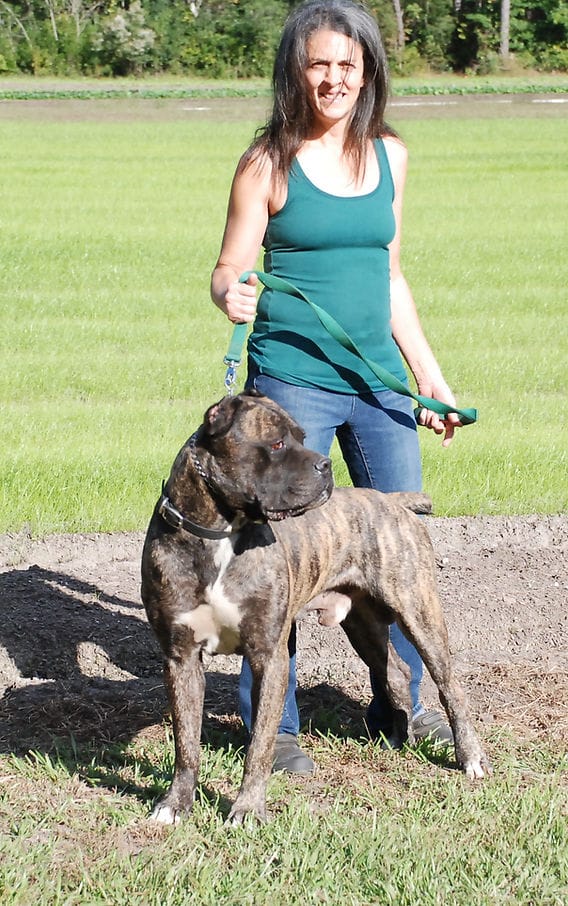
The Cane Corso is a breed of magnificent power, intelligence, and unwavering loyalty. Originating from Italy as a guardian and hunter, this mastiff possesses a noble presence and a deep bond with its family. But with great power comes great responsibility. To nurture a well-behaved, confident, and stable Cane Corso, finding the right Cane Corso Dog Trainer is not just a luxury—it is an absolute necessity. This journey is about more than teaching basic commands; it’s about understanding the soul of the breed and building a partnership based on mutual respect.
Proper training is the cornerstone of responsible ownership, especially for a large and protective breed. For those exploring the breed’s protective nature further, understanding the principles behind a trained guard dog for sale can offer valuable insights into the level of dedication required. The right guidance ensures your powerful puppy grows into a gentle giant, a trusted family member, and a joy to be around, rather than a source of stress or liability.
Why a Cane Corso Needs Specialized Training
You can’t approach a Cane Corso with a one-size-fits-all training plan. Their unique combination of traits demands a trainer who understands their specific mindset. This isn’t just a big dog; it’s a highly intelligent animal with a long history of working closely with humans in protective roles.
Understanding the Breed’s Temperament
A Cane Corso is naturally assertive, confident, and can be wary of strangers. They are not aggressive by nature, but their guarding instincts are strong. Without proper guidance, this instinct can develop into unwanted behaviors. A qualified trainer recognizes this and focuses on socialization from an early age, teaching the dog to distinguish between a real threat and a neutral situation, like the mail carrier arriving or guests visiting your home.
The Importance of Early Socialization
Socialization is arguably the most critical aspect of raising a Cane Corso. It involves exposing the puppy to a wide variety of sights, sounds, people, and other animals in a positive and controlled manner. A trainer experienced with the breed will guide you through this process, ensuring your puppy learns confidence, not fear. This prevents the development of reactivity and anxiety later in life, which can be challenging to manage in a dog of this size and strength.
Channeling Their Intelligence
This is a smart breed that thrives on having a job to do. Repetitive, boring training sessions will lead to a stubborn and disengaged dog. An expert Cane Corso dog trainer knows how to make training engaging and fun, using methods that challenge the dog’s mind. They incorporate problem-solving exercises and advanced obedience to keep the dog mentally stimulated, which is key to a happy and well-behaved companion.
What to Look for in a Cane Corso Dog Trainer
Choosing a trainer is a significant decision. You are entrusting them with shaping your dog’s behavior and your future relationship. Not every trainer is equipped to handle the nuances of this powerful breed. Here are the essential qualities to look for.
Experience with Mastiff or Guardian Breeds
First and foremost, the trainer must have verifiable, hands-on experience with Cane Corsos or similar large, guardian breeds. Ask for references from other Cane Corso owners. A trainer who primarily works with Labradors or Poodles may not understand the assertive nature and subtle body language of a Corso. You need someone who isn’t intimidated and knows how to establish leadership respectfully.
A Balanced and Fair Training Philosophy
The best trainers use a balanced approach. This means they utilize positive reinforcement—like treats, praise, and toys—to reward good behavior, but they also know how to set clear boundaries and provide fair corrections when necessary. They should be able to explain their methods clearly and justify why they are appropriate for your specific dog. Avoid trainers who rely solely on harsh, punitive methods, as this can break a Corso’s spirit or, worse, provoke aggression. Similarly, a purely positive approach may not be sufficient to manage a 120-pound dog’s willful moments. For a deeper dive into breed-specific methods, exploring resources on cane corso dog training can provide a solid foundation for what to expect.
Key Questions to Ask a Potential Trainer:
- How many Cane Corsos have you trained?
- What is your primary training methodology?
- Can I observe a training class before signing up?
- How do you handle a dog that is stubborn or not responding?
- What is your approach to socialization with other dogs and people?
- How will you involve me and my family in the training process?
Focus on Building a Strong Owner-Dog Bond
A great trainer doesn’t just train your dog; they teach you how to be a confident and effective leader. The goal is for your dog to look to you for guidance, not the trainer. The trainer should act as a coach, empowering you with the skills and confidence to continue the training long after the sessions are over. They should explain the “why” behind every exercise, helping you understand your dog’s psychology.
Core Pillars of Cane Corso Training
A comprehensive training program with a qualified Cane Corso dog trainer will focus on several key areas, creating a well-rounded and reliable companion.
1. Foundational Obedience
This is the bedrock of all training. Your Cane Corso must reliably respond to basic commands like Sit, Stay, Come, Down, and Heel. Given their size and strength, a solid recall (“Come”) and a loose-leash walk (“Heel”) are non-negotiable for safety. A trainer will ensure these commands are proofed in various environments with distractions.
2. Advanced Socialization
As mentioned, this is critical. A trainer will create structured scenarios for your dog to meet new people and other dogs safely. This goes beyond puppy class; it involves controlled exposure to real-world situations to build a dog that is neutral and calm in public.
3. Managing Guarding Instincts
The trainer will teach you how to manage your dog’s natural protective instincts. This includes teaching a solid “Place” command, managing behavior at the door, and ensuring your dog looks to you for cues on how to react to newcomers. This channels their instinct into a desirable “watchdog” role rather than an unpredictable liability. Issues can sometimes arise around resources, so understanding how to handle them is key. For owners facing this, specialized guidance on dog training food aggression can be incredibly helpful.
4. Impulse Control and Calmness
A Cane Corso can have a powerful “on” switch. A great trainer helps you cultivate an “off” switch. Exercises that teach patience and impulse control are vital. This could include waiting for food, staying calm at doorways, and settling on a mat while the family is busy.
DIY Training vs. Hiring a Professional
While many resources are available for training your dog at home, the stakes are higher with a Cane Corso. A minor behavioral issue in a small dog can be a major problem in a large, powerful one.
Dr. Marcus Thorne, a canine behaviorist specializing in mastiff-type breeds, states, “With a breed as capable as the Cane Corso, professional guidance isn’t a luxury; it’s a form of insurance. A good trainer can spot potential issues with temperament or behavior long before the average owner can, and provide a course-correction that prevents years of difficulty.”
Hiring a professional provides an expert, objective eye. They can tailor a plan specifically for your dog’s personality and your family’s lifestyle. They provide the structure, accountability, and troubleshooting necessary for success. While tools can assist in your journey, like a dog care training collar, they are most effective when used under the guidance of someone who understands the nuances of the breed. The investment in a qualified Cane Corso dog trainer pays dividends in the form of a safe, happy, and harmonious life with your magnificent companion.
Frequently Asked Questions (FAQ)
At what age should I start training my Cane Corso?
Training should begin the day you bring your puppy home, around 8 weeks old. Start with basic house rules, potty training, and gentle socialization. Formal obedience classes with a professional trainer can typically start between 10 to 12 weeks of age, after the puppy has had their initial vaccinations.
Are Cane Corsos difficult to train?
Cane Corsos are not inherently difficult to train; they are intelligent and eager to please. However, they can be stubborn and require a confident, consistent leader. Their intelligence means they get bored easily, so training must be engaging. The “difficulty” arises when owners are inconsistent or fail to establish clear leadership.
What is the best training method for a Cane Corso?
A balanced training approach is often most effective. This involves using positive reinforcement to motivate and reward the dog, while also implementing fair and consistent corrections to establish boundaries. The key is building a relationship based on respect, not fear.
How much does it cost to hire a Cane Corso dog trainer?
Costs can vary widely based on your location, the trainer’s experience, and the format (group classes vs. private sessions). Group classes might range from $150 to $300 for a multi-week course, while private one-on-one sessions can cost anywhere from $75 to $250 per hour.
Can I train my Cane Corso to be a guard dog?
A Cane Corso will naturally act as a guardian for its family. It’s in their DNA. It is highly recommended that you do not pursue specific “guard dog” or “protection” training without the guidance of an elite, certified professional. Improperly done, this can create an overly aggressive and dangerous animal. Focus on excellent obedience and socialization first.
Conclusion: Your Partner in Raising a Gentle Giant
Choosing a Cane Corso dog trainer is one of the most important decisions you will make as an owner. This isn’t just about obedience; it’s about shaping a canine citizen that is a credit to the breed. By investing in the right professional guidance, you are setting the stage for a lifetime of partnership with a confident, reliable, and loving companion. Take your time, do your research, and choose a trainer who respects the breed’s heritage and understands its modern role as a family protector. Your Cane Corso deserves nothing less.
