
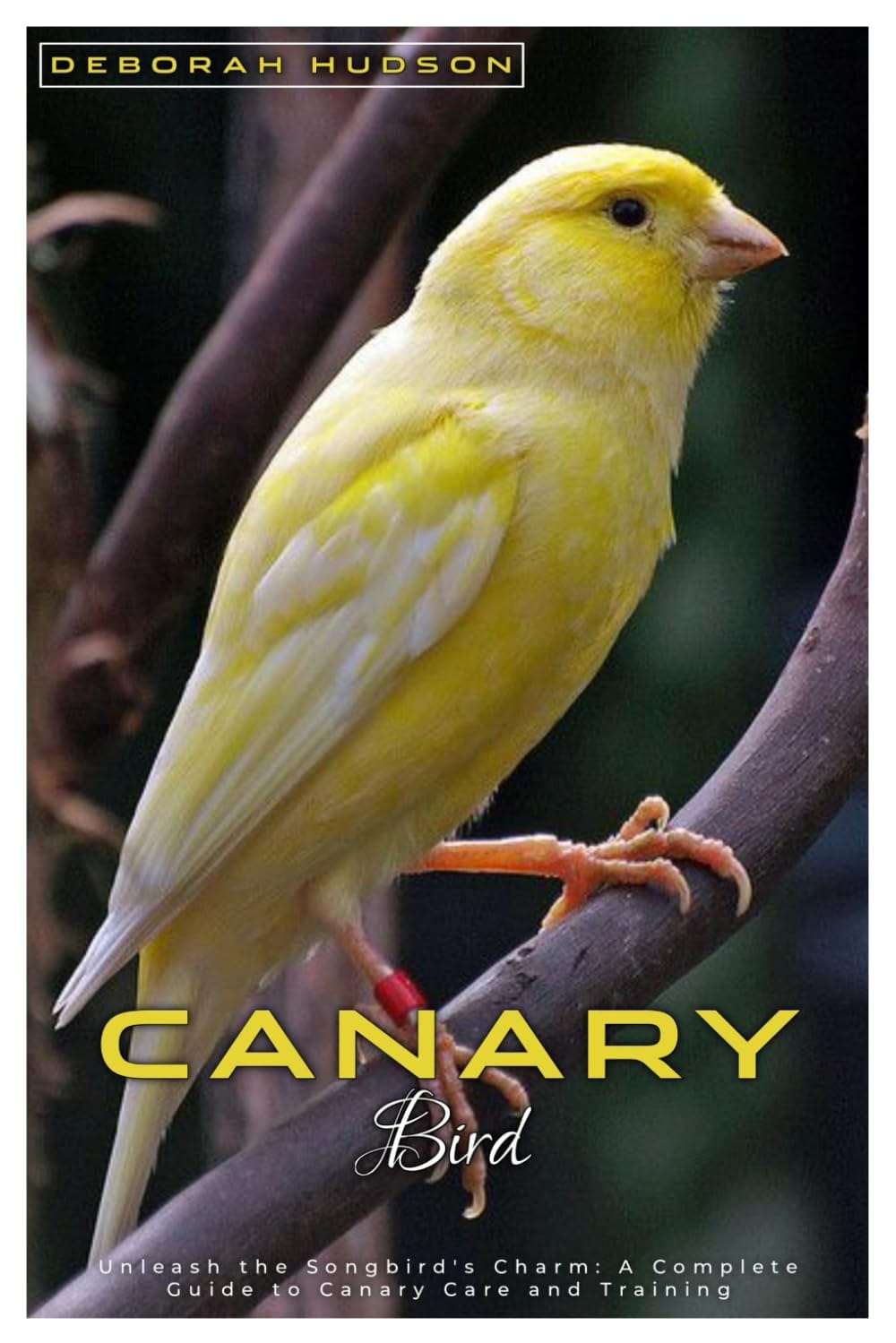
Training your canary to sing is a rewarding experience that deepens the bond between you and your feathered friend. While canaries are known for their natural singing abilities, consistent training can help them develop a more varied and impressive repertoire. This guide will walk you through the essential steps and techniques to effectively train your canary bird to sing, focusing on creating a positive and stimulating environment.
Understanding Your Canary’s Vocalizations
Before diving into training, it’s crucial to understand the basics of canary vocalizations. Canaries sing to communicate, attract mates, and establish territory. Young male canaries, in particular, are highly receptive to learning new songs. Their natural inclination to sing means that with the right guidance, you can shape and enhance their vocal abilities. Patience and consistency are key, as each bird learns at its own pace.
Creating the Right Environment for Singing
A happy and healthy canary is more likely to sing. Several environmental factors play a significant role in encouraging vocalization.
The Ideal Cage Setup
Ensure your canary’s cage is spacious enough for it to move around comfortably. A clean cage with fresh food and water is fundamental. The cage should be placed in a location that provides stimulation but also a sense of security. Avoid placing the cage in direct sunlight or drafty areas. Soft, natural light is best. Perches of various textures and sizes can also contribute to your bird’s well-being and provide different surfaces for it to rest and vocalize from.
Music and Sound Stimulation
Canaries can learn songs by listening to other canaries or even human-made music. Playing classical music or recordings of other canaries singing can be highly beneficial. This exposure helps them learn different melodies and tones. Ensure the volume is moderate, not too loud, to avoid startling your bird. Consistent exposure to pleasant sounds can create a rich auditory environment conducive to singing.
Essential Canary Song Training Techniques
Training your canary to sing involves several key techniques aimed at encouraging vocalization and teaching new songs.
Positive Reinforcement
Like training other pets, positive reinforcement is crucial for canaries. When your canary sings, offer praise, a favorite treat (like a small piece of millet spray), or a gentle whistle. This helps the bird associate singing with positive experiences. Avoid punishment or negative reinforcement, as this can make the bird fearful and less likely to sing.
Daily Training Sessions
Short, frequent training sessions are more effective than long, infrequent ones. Aim for 5-10 minute sessions a couple of times a day. During these sessions, you can introduce new songs or encourage existing ones. Consistency is vital; try to train at similar times each day so your canary anticipates the sessions.
Introducing New Songs
To teach your canary a new song, you can use recordings or hum/whistle the tune yourself. Play the recording or sing the melody repeatedly during training sessions. Gradually, your canary may start to mimic the sounds. It’s important to be patient, as this can take weeks or even months.
- Start simple: Begin with short, clear melodies.
- Repetition is key: Play or sing the song consistently.
- Reward attempts: Encourage any attempt to mimic the song, even if it’s not perfect.
Understanding Canary Song Development
The development of a canary’s song is a natural process, particularly in young males. They go through stages of practicing and refining their songs. Your role is to provide a supportive environment and gentle guidance. The goal is not to force the bird to sing, but to encourage its natural abilities.
Addressing Common Challenges in Canary Song Training
Despite best efforts, you might encounter challenges. Here’s how to address some common issues.
Silence or Lack of Singing
If your canary isn’t singing, consider these factors:
- Stress: Is the environment too noisy, or are there predators (like cats) nearby?
- Health: Is the bird healthy? A sick bird will not sing. Consult a veterinarian if you suspect health issues.
- Age: Older canaries may sing less than younger ones.
- Diet: Ensure a balanced diet. A lack of essential nutrients can affect vocal health.
Mimicking Undesirable Sounds
Canaries can sometimes mimic sounds you’d rather they didn’t, like doorbells or alarms. If this happens, try to redirect their attention by playing music or offering a new song to learn. Reducing exposure to the undesirable sound can also help.
The Benefits of a Singing Canary
A singing canary brings joy and life into any home. The melodic sounds can be calming and therapeutic. Beyond the aesthetic pleasure, the process of training your canary can be a deeply bonding experience, fostering a unique connection between owner and pet. Watching your bird learn and develop its song is incredibly fulfilling.
Frequently Asked Questions About Canary Bird Song Training
Q1: When is the best age to start training a canary to sing?
A1: Young male canaries, typically a few months old, are most receptive to learning and developing their songs. However, you can encourage singing at any age.
Q2: How long does it take for a canary to learn a new song?
A2: This varies greatly depending on the individual bird, its age, and the complexity of the song. It can take anywhere from a few weeks to several months of consistent training.
Q3: Can female canaries learn to sing complex songs?
A3: While female canaries do vocalize, they do not develop the complex songs that males do. Their vocalizations are generally simpler and less elaborate.
Q4: What should I do if my canary stops singing?
A4: Check for environmental stressors, ensure the bird is healthy, review its diet, and consider its age. Sometimes, a change in routine or a new stimulating toy can re-engage them.
Q5: Is it okay to use recordings of other canaries for training?
A5: Yes, using recordings of other canaries singing is a highly effective training method. It provides a consistent model for your canary to learn from.
In conclusion, training your canary bird to sing is a journey of patience, consistency, and positive reinforcement. By creating a nurturing environment and employing effective techniques, you can help your canary unlock its full vocal potential and fill your home with beautiful music. Enjoy the process and the delightful melodies your companion will share with you.
