
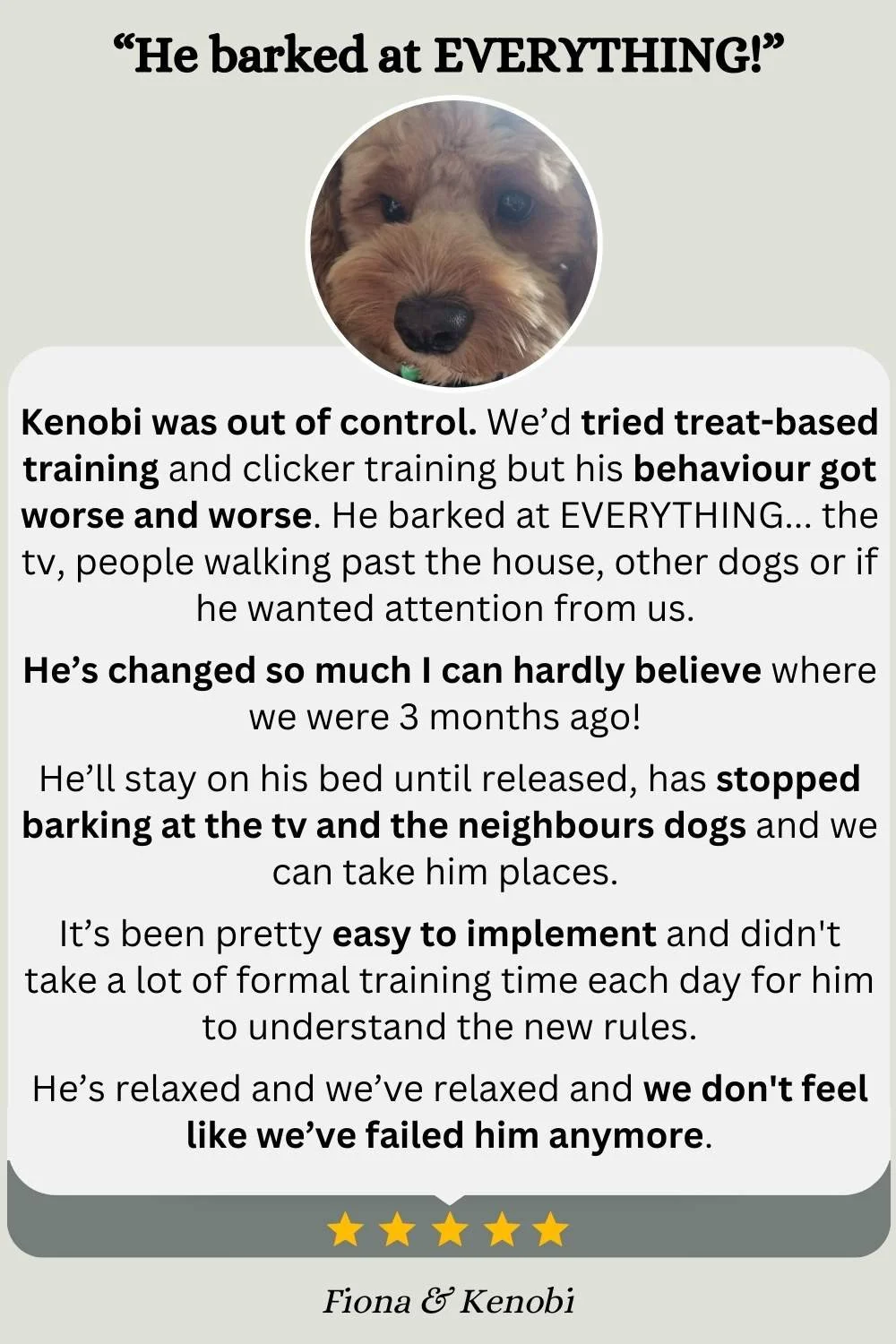
Barking is a natural form of communication for dogs, but excessive or nuisance barking can be a source of frustration for owners and neighbors alike. Understanding why your dog barks and implementing consistent training strategies are key to managing this behavior. This guide will walk you through the process of teaching your canine companion to quiet down when necessary, fostering a more peaceful environment for everyone.
Understanding the Root Causes of Excessive Barking
Before you can effectively train your dog to stop barking, it’s crucial to identify the underlying reason for the vocalizations. Dogs bark for various reasons, and addressing the specific cause will lead to more successful training outcomes.
Alert/Territorial Barking
This is perhaps the most common reason for barking. Dogs are naturally protective of their territory and will bark to alert you to the presence of perceived intruders, such as people walking by, other animals, or unusual sounds. This type of barking often occurs at windows, doors, or fences.
Boredom/Attention-Seeking Barking
If a dog isn’t getting enough physical and mental stimulation, they may resort to barking to entertain themselves or to get your attention. This can manifest as barking when left alone, when they want to play, or when they desire a treat.
Fear/Anxiety Barking
Dogs may bark out of fear or anxiety, often in response to loud noises (like thunderstorms or fireworks), unfamiliar situations, or separation from their owner. This barking can sound more frantic and may be accompanied by other signs of stress, such as panting, pacing, or trembling.
Excitement/Greeting Barking
Some dogs bark exuberantly when they are excited, such as when greeting their owner or anticipating a walk or meal. While often friendly, this can still be excessive if not managed.
Medical Issues
In some cases, sudden or persistent barking can be a sign of an underlying medical condition, such as pain, cognitive dysfunction (in older dogs), or hearing loss. If you suspect a health problem, consult your veterinarian immediately.
Effective Training Strategies for Barking Dogs
Once you’ve identified the reason for your dog’s barking, you can implement targeted training methods. Consistency and patience are paramount.
Managing the Environment
- Limit Exposure to Triggers: If your dog barks at things they see outside, consider blocking their view by using frosted window film or keeping curtains closed. If they bark at sounds, try white noise machines or calming music.
- Provide Sufficient Exercise and Mental Stimulation: A tired dog is a quiet dog. Ensure your dog gets adequate daily exercise. Puzzle toys, training sessions, and interactive games can help keep their minds engaged and reduce boredom-related barking.
Teaching the “Quiet” Command
This is a fundamental command for controlling barking.
- Trigger the Barking: Have someone knock on the door or ring the doorbell, or use a sound that typically makes your dog bark.
- Let Them Bark a Few Times: Allow them to bark 2-3 times.
- Get Their Attention: Hold a high-value treat near your dog’s nose.
- Say “Quiet”: As soon as they pause barking to sniff the treat, say “Quiet” in a calm, firm voice.
- Reward: Immediately give them the treat and praise them.
- Gradually Increase Duration: As your dog gets better, gradually increase the time they must remain quiet before receiving the treat.
- Practice: Practice this command in various situations and with different triggers.
Teaching the “Speak” Command (Counterintuitive but Effective)
Teaching your dog to bark on command can help you teach them to be quiet on command.
- Trigger Barking: Use a cue that usually makes your dog bark (e.g., knocking on a wall).
- Say “Speak”: As they bark, say “Speak.”
- Reward: Reward them with a treat and praise.
- Practice: Repeat this until they bark reliably when you say “Speak.”
- Combine with “Quiet”: Once they can “Speak” on command, you can then use the “Quiet” command immediately afterward, rewarding the silence. This helps them understand the transition.
Addressing Separation Anxiety Barking
If your dog barks excessively when left alone, it might be separation anxiety.
- Desensitize to Departure Cues: Practice picking up your keys, putting on your coat, etc., without actually leaving. Do this randomly throughout the day so these actions don’t automatically trigger anxiety.
- Gradual Departures: Start by leaving for very short periods (seconds, then minutes) and gradually increase the duration.
- Provide Distractions: Leave puzzle toys or long-lasting chews to keep them occupied.
- Consult a Professional: For severe cases, seek help from a certified professional dog trainer or veterinary behaviorist.
Dealing with Fear-Based Barking
- Identify the Fear Trigger: Determine what specifically scares your dog.
- Counter-Conditioning and Desensitization: Gradually expose your dog to the trigger at a low intensity while pairing it with positive experiences (treats, praise). For example, if thunderstorms scare them, play recordings of thunder at a very low volume while giving treats, slowly increasing the volume over many sessions.
- Never Punish Fear: Punishing a dog for barking out of fear will only increase their anxiety and worsen the problem.
What NOT to Do When Training a Dog to Stop Barking
Certain methods can be counterproductive or even harmful.
- Yelling at Your Dog: This often sounds like you’re barking along with them, which can escalate the behavior.
- Punishment-Based Collars (e.g., Shock Collars): These can cause fear, anxiety, and aggression, and do not address the underlying cause of the barking. They can also damage your relationship with your dog.
- Inconsistent Training: Sporadic training efforts will confuse your dog and hinder progress. Everyone in the household must be on the same page.
- Ignoring the Problem: Excessive barking rarely resolves itself and can worsen over time.
When to Seek Professional Help
If you’ve tried various methods and are not seeing improvement, or if the barking is sudden and severe, it’s time to consult a professional. A certified professional dog trainer (CPDT-KA or CPDT-KSA) or a veterinary behaviorist can assess your dog’s specific situation, identify the root cause, and develop a tailored training plan. They can also help rule out any underlying medical conditions.
Conclusion: Patience and Positive Reinforcement
Training a dog to stop excessive barking requires patience, consistency, and positive reinforcement. By understanding the reasons behind the barking and applying the appropriate training techniques, you can help your dog become a quieter, more well-adjusted companion. Remember, every dog is an individual, and what works for one may not work for another. Celebrate small victories, stay positive, and enjoy the journey of building a stronger bond with your furry friend.
