
Aggression in dogs is a complex issue that requires patience, understanding, and a consistent training approach. If your dog is showing signs of aggression, it’s crucial to address it proactively to ensure the safety and well-being of everyone involved, including your canine companion. While some dogs may have underlying medical conditions contributing to their behavior, most aggression stems from fear, anxiety, possessiveness, or a lack of proper socialization and training. This guide will walk you through the essential steps to help your dog become more comfortable and less reactive.
Understanding Dog Aggression: What You Need to Know
Before diving into training, it’s important to understand the different types of aggression and their potential triggers. Recognizing these can help you identify the root cause of your dog’s behavior and tailor your training accordingly.
Types of Aggression and Their Triggers
- Fear-based Aggression: This is one of the most common forms. Dogs may lash out when they feel threatened, cornered, or scared. Triggers can include loud noises, unfamiliar people or animals, or sudden movements.
- Territorial Aggression: Dogs may become aggressive when they perceive a threat to their territory, whether it’s their home, yard, or even their favorite spot on the couch.
- Possessive Aggression (Resource Guarding): This occurs when a dog guards valuable resources like food, toys, or even their owner from others. They might growl, snap, or bite to keep others away.
- Pain-Induced Aggression: A dog in pain may react aggressively when touched or approached, as they associate the interaction with discomfort. This is why ruling out medical issues is a primary concern.
- Redirected Aggression: This happens when a dog is highly aroused by something they can’t reach (like another dog behind a fence) and redirects their aggression towards something or someone closer.
- Social Aggression: This can manifest in various ways, often seen between dogs during introductions or when they are competing for social status.
- Maternal Aggression: Female dogs may become aggressive when protecting their puppies.
The Role of Socialization and Early Training
A well-socialized dog, exposed to various people, places, sounds, and other animals from a young age, is less likely to develop fear-based aggression. Early obedience training also builds confidence and establishes a clear understanding of commands, which can be invaluable when managing potentially aggressive behavior. If you’re looking for professional guidance on early training, consider resources like dog training columbus ohio which offer insights into foundational skills.
Step-by-Step Guide to Reducing Aggression
Addressing aggression requires a multi-faceted approach focused on modifying the dog’s emotional response and behavior. This is not a quick fix, and professional help is often recommended.
1. Consult a Veterinarian First
This is a non-negotiable first step. Pain or underlying medical conditions can manifest as aggression. Your vet can perform a thorough examination to rule out any physical causes. If a medical issue is identified, treating it may resolve the aggression.
2. Seek Professional Help
For anything beyond mild, easily manageable behavioral issues, consulting a certified professional dog trainer or a veterinary behaviorist is highly recommended. They can accurately diagnose the type and cause of aggression and develop a personalized, safe, and effective training plan. Look for professionals who use positive reinforcement methods, as punishment can often exacerbate aggression. Experienced trainers like ben austin dog trainer can provide expert advice tailored to your dog’s specific needs.
3. Management and Prevention
While you work on training, management is key to preventing incidents and reinforcing the desired behavior.
- Avoid Triggers: Identify what triggers your dog’s aggression and avoid those situations as much as possible. This might mean avoiding dog parks, certain people, or specific environments until training progresses.
- Leash Control: Always keep your dog on a leash in public or potentially triggering situations. A well-fitted harness or head halter can provide better control.
- Safe Spaces: Ensure your dog has a safe, quiet space where they can retreat and feel secure, especially if resource guarding is an issue.
- Supervision: Never leave a dog prone to aggression unsupervised with children or other animals.
4. Desensitization and Counter-Conditioning
These are the cornerstones of changing a dog’s emotional response to triggers.
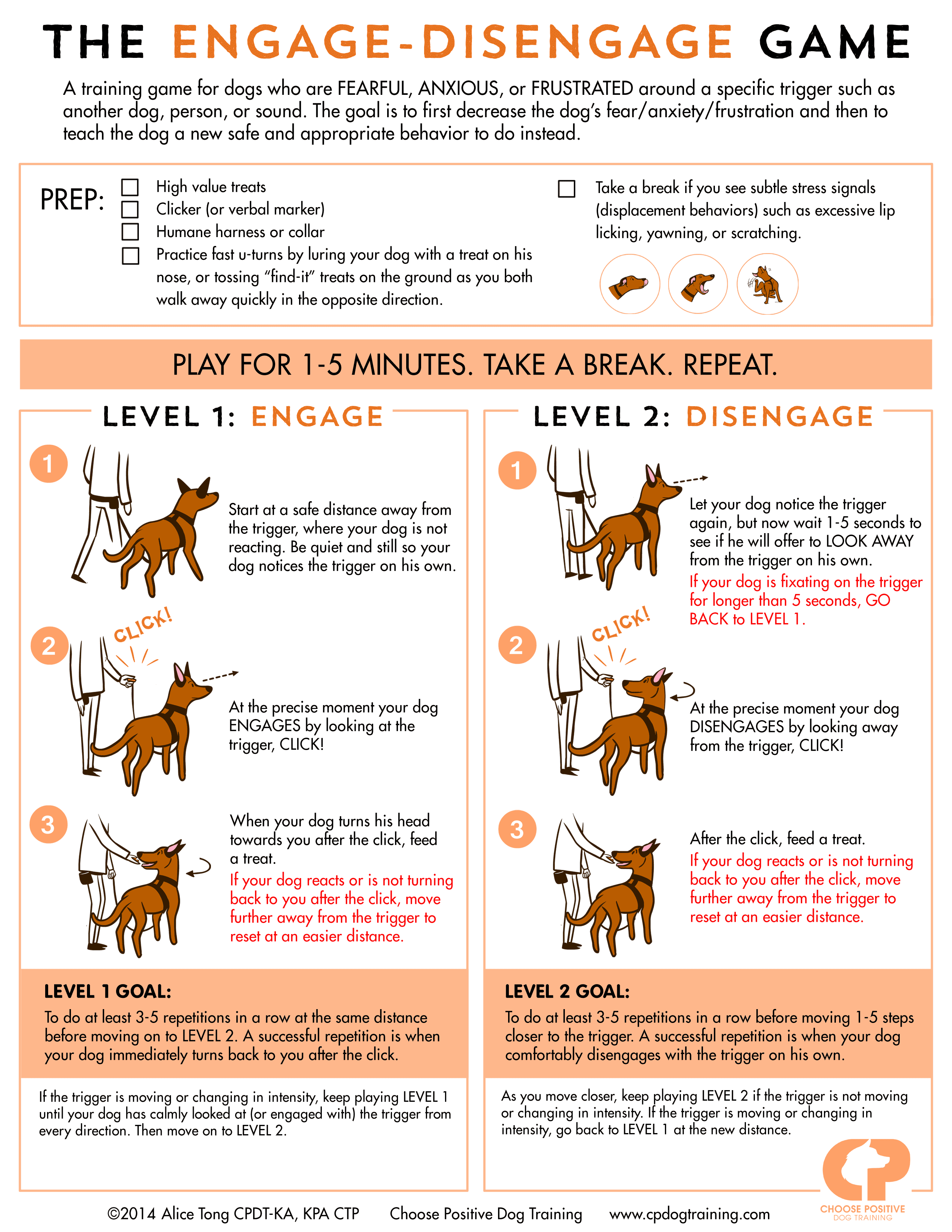
Desensitization: Gradually exposing your dog to their trigger at a distance or intensity where they don’t react. The goal is to slowly decrease the distance or increase the intensity over many sessions, ensuring the dog remains calm.
Counter-Conditioning: Pairing the trigger with something positive, like high-value treats or praise. For example, if your dog barks at other dogs, you might give them a super tasty treat every time they see another dog at a safe distance. The aim is to change their association from “other dog = scary/threat” to “other dog = yummy treat.”
“The key is to change your dog’s emotional response from negative to positive, making them feel more relaxed and less reactive in the presence of their triggers.”
5. Positive Reinforcement Training
Reinforce calm and non-aggressive behavior. Reward your dog with treats, praise, or toys when they remain relaxed in the presence of a mild trigger or when they respond to commands like “sit” or “stay” calmly. This builds confidence and strengthens your bond. Techniques like e collar dog training tips, when used by experienced professionals, can sometimes be incorporated as a tool for management or communication, but always with a focus on positive outcomes and never as a punishment for aggression.
6. Basic Obedience Refresher
A strong foundation in basic obedience is crucial. Commands like “sit,” “stay,” “come,” and “leave it” can be lifesavers when managing a dog’s arousal or redirecting their attention. Consistent practice in a calm environment, and then gradually in more distracting settings, will solidify these commands.
Addressing Specific Aggression Scenarios
- Aggression Towards Other Dogs: Start by practicing counter-conditioning at a distance where your dog notices other dogs but doesn’t react. Gradually decrease the distance. Enrolling in controlled, small-group classes with a professional trainer can be beneficial, focusing on how to manage interactions, much like understanding how to manage a dog on a train if they are anxious.
- Aggression Towards Strangers: Practice desensitization by having friends or family members (who the dog doesn’t know well) approach from a distance, drop treats, and move away without direct interaction. The person should not try to pet or make eye contact with the dog initially.
- Resource Guarding: Teach your dog a solid “trade” or “drop it” command. When they have an item, offer them something even better (like a piece of chicken for a kibble). Gradually practice taking items away, always rewarding them generously, so they learn that giving up an item leads to a positive outcome.
When to Consider a Trained Guard Dog
In some niche situations, individuals may seek a trained guard dog for sale. However, it’s vital to understand that guard dog training is highly specialized and requires a specific temperament and extensive professional handling. This is not a solution for addressing general aggression issues in a pet dog and should only be considered for specific security purposes by experienced handlers. Attempting to “train” a dog for guarding without expertise can be dangerous.
Conclusion: A Journey to a Calmer Canine
Helping an aggressive dog requires commitment, consistency, and often, professional expertise. By understanding the root causes, implementing careful management strategies, and using positive, science-based training techniques like desensitization and counter-conditioning, you can significantly reduce your dog’s aggressive behaviors. Remember, the goal is not to punish the dog but to help them feel safer and more secure, leading to a happier and more harmonious life for both of you. Always prioritize safety and seek professional guidance when in doubt.
