
As cat owners, we often marvel at our feline companions’ independence and mysterious nature. While some may perceive cats as untrainable, the reality is quite the opposite. Cats are constantly learning from their environment and interactions, and understanding how they learn can significantly enhance our relationship with them and improve their overall well-being. This guide delves into the science behind cat learning, focusing on effective, positive training methods to build a stronger bond and address essential life skills.
The Foundation of Cat Training: Motivation and Rewards
The key to successful cat training lies in understanding what motivates them. Unlike dogs, cats don’t have an innate desire to please their owners, meaning traditional reward systems might not be as effective. Instead, positive reinforcement, particularly using food rewards, is paramount. As Dr. Sarah Ellis, head of cat advocacy at International Cat Care, explains, “we have to think about what really is rewarding for a cat, because it’s certainly not our social attention for most cats.” High-value treats, such as small pieces of tuna, prawn, or commercial cat treats, can be powerful motivators. However, it’s crucial to use these rewards judiciously to avoid contributing to feline obesity, factoring their calories into the cat’s daily food intake. For instance, a prawn can be broken down into four or five small pieces to serve as an effective training reward.
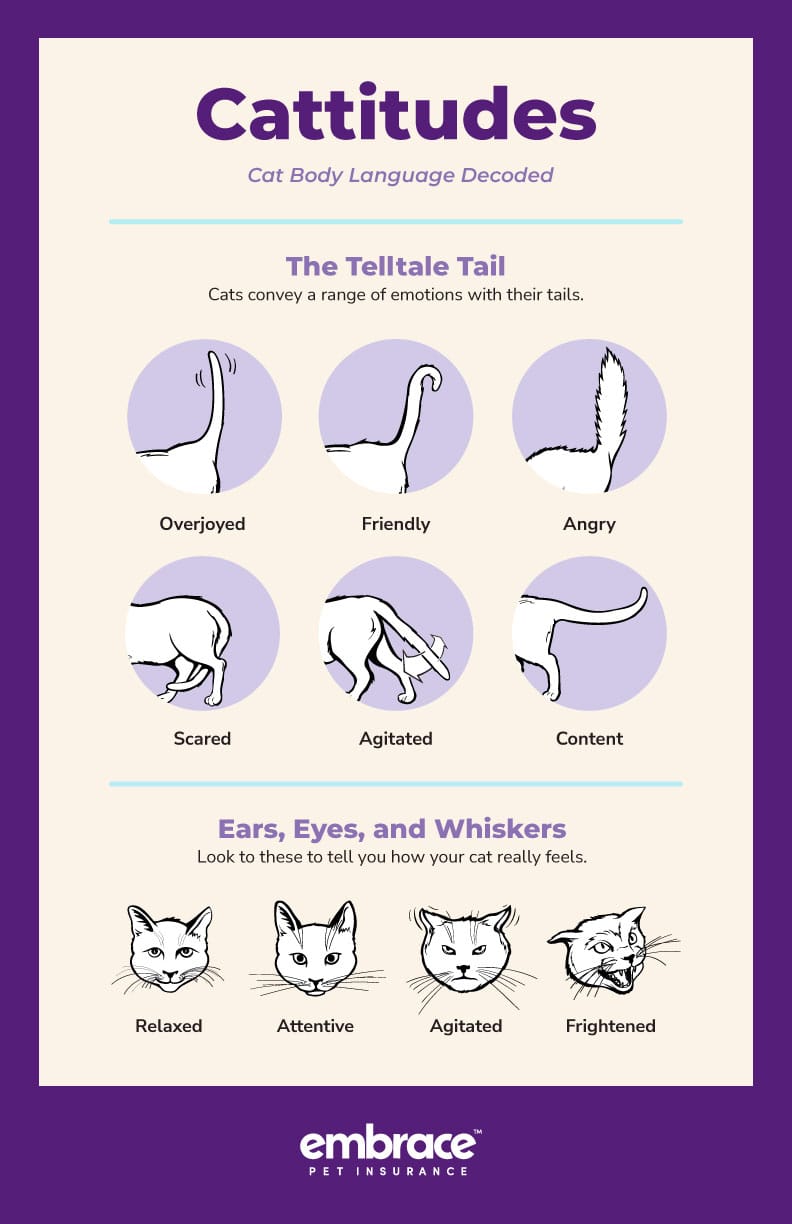
When training, especially with cats new to hand-feeding, biting can be an issue. To safeguard your fingers, consider using a spoon, a lollipop stick, or offering wet treats from a tube. Keeping training sessions short, around five minutes, and at a level that prevents frustration is essential. Signs of a happy, engaged cat include purring and head-rubbing, while a cat choosing to walk away simply indicates a need for a break or a different approach.
How Cats Learn: Operant and Classical Conditioning
Cats primarily learn through two main types of associative learning: operant conditioning (learning by consequence) and classical conditioning (learning by association with events).
Operant conditioning involves reinforcement or punishment influencing behavior. Positive reinforcement, the most widely recommended method, involves rewarding a desired behavior to increase its likelihood. For example, giving a treat when a cat successfully sits on command. Negative reinforcement, where an unpleasant sensation is removed upon performing a behavior, is not recommended due to potential welfare risks. Negative punishment involves withholding a liked reward to decrease an unwanted behavior, such as stopping petting if a cat bites during play. Conversely, positive punishment applies an unpleasant consequence to reduce a behavior, like spraying a cat with water for jumping on a counter. However, research suggests that punishment-based methods can lead to increased behavioral problems, fear, stress, and aggression in cats, potentially damaging the human-animal bond. Dr. Ellis cautions, “if that punishment is seen to be coming from you, you are also then perceived as punishing, therefore you are not perceived in a positive light. And therefore it can really damage the relationship that you have with that cat.”
Classical conditioning, exemplified by Pavlov’s dogs, involves associating a neutral stimulus with an unconditioned stimulus to elicit a response. For instance, consistently pairing the appearance of a cat carrier with a favorite treat (tuna) can help cats associate the carrier with positive experiences, transforming a feared object into a source of anticipation. This process, known as counter-conditioning, requires the neutral stimulus (carrier) to reliably predict the reward (tuna) to be effective.
Beyond Conditioning: Other Learning Mechanisms
Cats also learn through other mechanisms:
- Single-event learning: Experiencing a single, highly impactful event can lead to lasting behavioral changes, such as a cat becoming fearful of its carrier after a traumatic vet visit.
- Habituation: Repeated exposure to a stimulus that is not harmful leads to a decreased behavioral response. For example, a cat may eventually ignore the sound of a dishwasher after becoming accustomed to it.
- Sensitization: The opposite of habituation, where a behavioral response becomes more intense with repeated exposure, potentially increasing stress.
- Social learning: Kittens learn crucial behaviors, including hunting, by observing adult cats, particularly their mothers. This highlights the importance of positive social experiences during a kitten’s sensitive socialization period.
The Profound Benefits of Training Cats
Training cats offers numerous advantages, extending beyond mere trick performance to encompass essential life skills that improve their welfare and reduce stress. Teaching cats to enter their carrier willingly, as demonstrated in a study by the University of Veterinary Medicine in Vienna, significantly reduces stress during vet visits. Trained cats exhibited less anxiety, completed exams more quickly, and tolerated handling better than their untrained counterparts. Keeping carriers accessible and associated with positive experiences, such as treats, can help maintain these positive associations.
Training also benefits shelter cats by increasing their adoptability and improving their well-being. Studies have shown that even shy shelter cats can learn tricks, fostering positive interactions with people and reducing frustration. For cats exhibiting frustration-related behaviors in a shelter environment, targeted training programs have been shown to improve their contentment and overall health, indicated by increased immunoglobulin A levels and normal grooming behaviors.
Applying Science-Based Training at Home
When embarking on cat training, focus on teaching essential life skills such as coming when called, entering a carrier, tolerating grooming, and nail clipping. For kittens, early training can prevent the development of negative associations with these necessary procedures. Always keep training sessions short, fun, and voluntary, allowing your cat the choice to participate. Utilize high-value food rewards to maintain motivation and, crucially, avoid punishment. Instead, focus on meeting your cat’s natural behavioral needs, such as providing appropriate scratching posts, and positively reinforcing their use. By understanding and applying these principles, you can build a stronger, more trusting relationship with your feline companion, ensuring their happiness and well-being.
Adapted with permission of the publisher from the book Purr: The Science of Making Your Cat Happy written by Zazie Todd and published by Greystone Books.
