
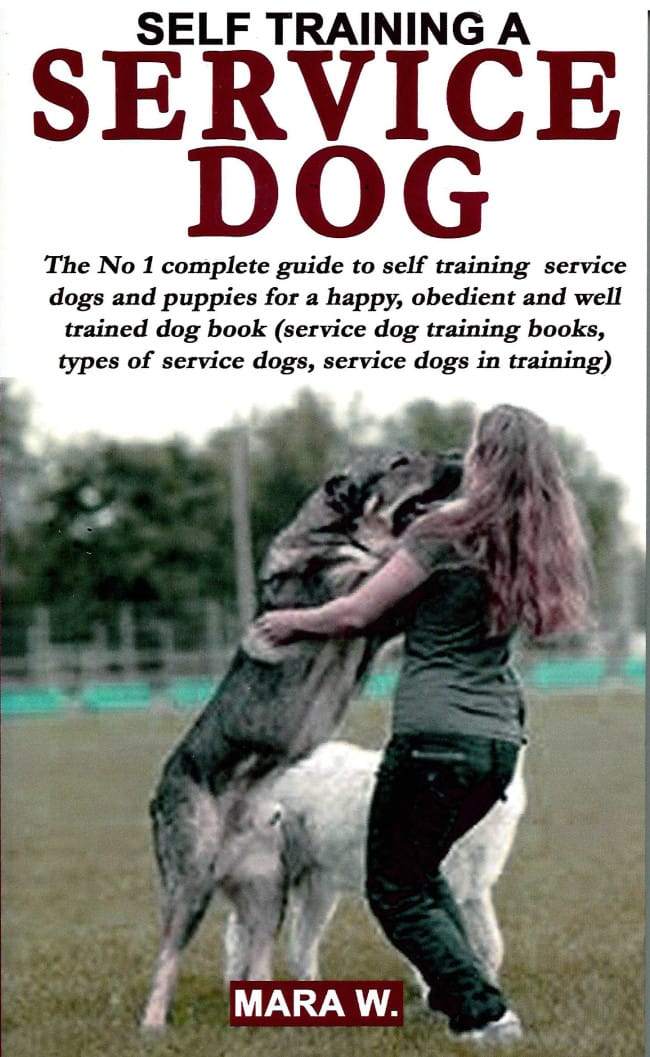
Embarking on the journey of training a service dog is a significant commitment, often associated with professional programs. However, a question frequently arises for aspiring handlers: “Can you self-train a service dog?” The answer is a resounding yes, but it comes with a substantial caveat – it requires immense dedication, specialized knowledge, and a deep understanding of canine behavior. This guide aims to demystify the process, offering insights into the feasibility, challenges, and crucial steps involved in successfully training your own service dog.
Understanding the Service Dog Role
Before diving into the training specifics, it’s vital to grasp what defines a service dog. Unlike emotional support animals or therapy dogs, service dogs are trained to perform specific tasks that mitigate a handler’s disability. These tasks are directly related to the handler’s physical, sensory, or psychiatric needs. For instance, a service dog might be trained to detect a diabetic person’s dropping blood sugar, alert a hearing-impaired individual to sounds, or retrieve dropped items for someone with mobility impairments. The Americans with Disabilities Act (ADA) provides a legal framework for service dogs, emphasizing their role in assisting individuals with disabilities.
The Feasibility of Self-Training
Self-training a service dog is absolutely possible, and many handlers successfully navigate this path. This approach often stems from a desire for a deeper bond with their canine partner, cost-effectiveness compared to professional programs, or the unique needs that a custom-trained dog can fulfill. The success of self-training hinges on several critical factors:
- Handler’s Commitment: This is paramount. Self-training demands consistent, daily training sessions, often spanning 1-2 years. It requires patience, resilience, and the ability to remain objective about your dog’s progress.
- Dog’s Aptitude: Not all dogs are suited for service work. Temperament plays a crucial role. A service dog must possess a calm, steady disposition, be eager to please, adaptable to various environments, and confident in public settings. Certain breeds are historically predisposed to service work due to their inherent traits, but individual assessment is key.
- Handler’s Knowledge: While you don’t need to be a professional trainer, a solid understanding of positive reinforcement training methods, canine behavior, and task-specific training is essential. This often involves extensive research, workshops, or mentorship.
Key Stages of Service Dog Self-Training
The self-training process can be broadly divided into several overlapping stages, each building upon the previous one.
Stage 1: Foundational Obedience and Socialization
This is the bedrock of all service dog training. Before any specialized tasks are taught, your dog must have impeccable manners and be comfortable in diverse settings.
- Basic Obedience: This includes mastering commands like sit, stay, down, come, and heel. Training should progress from quiet, controlled environments to increasingly distracting public places. The goal is for the dog to respond reliably regardless of the surroundings.
- Advanced Obedience: Moving beyond the basics, this involves teaching skills like “leave it” (to ignore distractions), “wait” (to pause before entering doorways or at curbs), and “place” (to go to a designated spot and stay).
- Public Access Socialization: Exposing your dog to a wide range of environments, sounds, sights, and people is crucial. This includes busy streets, stores, public transport, restaurants, and even crowded events. The aim is to ensure the dog remains calm, focused, and non-disruptive in any public setting. This is not just about exposure; it’s about positive association, ensuring the dog views these experiences as normal and non-threatening.
Stage 2: Task Training
Once foundational obedience and public access skills are solid, you can begin training the specific tasks your service dog will perform.
- Identifying Needs: Clearly define the tasks that will directly mitigate your disability. These tasks must be observable and directly linked to your needs.
- Task Breakdown: Complex tasks should be broken down into smaller, manageable steps. For example, training a dog to alert to a specific sound involves first teaching the dog to recognize the sound, then associating it with an action (like nudging), and finally refining that action to be consistent and timely.
- Shaping and Luring: Trainers use various techniques to teach tasks. Shaping involves rewarding successive approximations of the desired behavior, while luring uses a treat or toy to guide the dog into position. Positive reinforcement, such as praise, treats, and a clicker, is the cornerstone of ethical and effective service dog training.
- Generalization: Just as with obedience, tasks must be generalized across different environments and with varying distractions to ensure reliability.
Stage 3: Public Access Test and Handler’s Rights
A critical milestone is passing a Public Access Test (PAT). While not legally mandated by the ADA for a dog to be considered a service animal, passing a PAT demonstrates that your dog is well-trained and can behave appropriately in public. Many organizations offer PATs.
- Understanding the ADA: Familiarize yourself with the ADA’s provisions regarding service animals. This includes understanding your rights and responsibilities as a handler. It’s important to note that handlers are not required to carry identification or certification for their service dog, nor do they have to disclose the nature of their disability. However, staff may ask two specific questions: (1) Is the dog a service animal required because of a disability? and (2) What work or task has the dog been trained to perform?
Challenges and Considerations in Self-Training
While rewarding, self-training presents unique challenges:
- Objectivity: It can be difficult to remain objective when assessing your own dog’s progress and behavior. You might overlook subtle errors or have a tendency to over-praise.
- Time Commitment: As mentioned, this is a significant time investment. Balancing training with work, family, and other life commitments requires meticulous planning.
- Cost: While potentially cheaper than professional training, self-training still incurs costs for quality food, training tools, veterinary care, and potentially professional classes or workshops for guidance.
- Emotional Toll: Frustration is inevitable. There will be plateaus and setbacks. Maintaining a positive attitude and preventing burnout is crucial for both you and your dog.
- Task Specificity: Training highly specialized or complex tasks, especially those related to psychiatric service dogs, can be particularly challenging without expert guidance.
Resources and Support for Self-Trainers
Fortunately, self-trainers are not alone. A wealth of resources can assist you:
- Books and Online Courses: Numerous books and reputable online courses delve into service dog training principles and techniques. Look for resources that emphasize positive reinforcement and ethical training.
- Professional Trainers and Behaviorists: Even if you’re self-training, consulting with a qualified professional for occasional guidance, especially for challenging behaviors or complex tasks, can be invaluable. Ensure they have experience with service dog training.
- Support Groups: Online forums and local support groups for service dog handlers offer a community for sharing experiences, seeking advice, and finding encouragement.
- Veterinary Professionals: Your veterinarian is a key partner in ensuring your dog’s health and well-being throughout the training process.
Conclusion: A Rewarding Path
So, can you self-train a service dog? Yes. It’s a path that demands unwavering commitment, continuous learning, and a deep understanding of your canine partner. The bond forged through this journey is often unparalleled, and the independence gained is profound. While professional training offers structure and expertise, the self-taught service dog stands as a testament to the dedication and partnership between a handler and their extraordinary animal. If you are prepared for the challenges and committed to the process, self-training can be an incredibly fulfilling way to acquire a service dog tailored to your unique needs.
