
It’s a question many hopeful dog owners and rescuers ask: Can You Potty Train An Old Dog? The short answer is a resounding yes. While puppies might be famous for their quick learning curves, older dogs bring their own set of advantages to the training table, including longer attention spans and established bladder control. Potty training an older dog isn’t about fighting against ingrained habits as much as it is about building new ones with patience, understanding, and a consistent routine. It’s a journey of communication and bonding that can transform your relationship with your canine companion.
The process requires a slightly different approach than house-training a puppy. You might be dealing with a dog that was never properly trained, is adjusting to a new home, or has developed issues due to past trauma or medical conditions. For those wondering what does house trained mean for a dog, it’s about teaching them the appropriate time and place to eliminate. With an older dog, the key is to understand their history, establish a predictable schedule, and use positive reinforcement to guide them toward success. Forget the old saying, “You can’t teach an old dog new tricks.” When it comes to potty training, older dogs are more than capable of learning.
Understanding the Root Cause of Accidents
Before starting a training regimen, it’s crucial to play detective and figure out why your older dog is having accidents. The reason isn’t always a simple lack of training; underlying issues often play a significant role. Addressing the root cause is the first step toward a clean home and a happy dog.
Ruling Out Medical Conditions
First and foremost, a trip to the veterinarian is essential. A sudden change in your dog’s potty habits or a persistent inability to hold it can be a red flag for medical problems. Conditions such as urinary tract infections (UTIs), kidney disease, diabetes, Cushing’s disease, or age-related cognitive dysfunction can all lead to incontinence or frequent urination.
“A comprehensive vet check is non-negotiable when an adult dog has potty issues,” advises Dr. Sarah Miller, a veterinary behaviorist. “Many owners assume it’s a behavioral problem, but often, the dog is physically unable to control its bladder. Treating the underlying medical condition can resolve the house soiling entirely.”
Once your vet gives your dog a clean bill of health, you can confidently proceed with behavioral training, knowing that you aren’t asking your dog to do something they are physically incapable of.
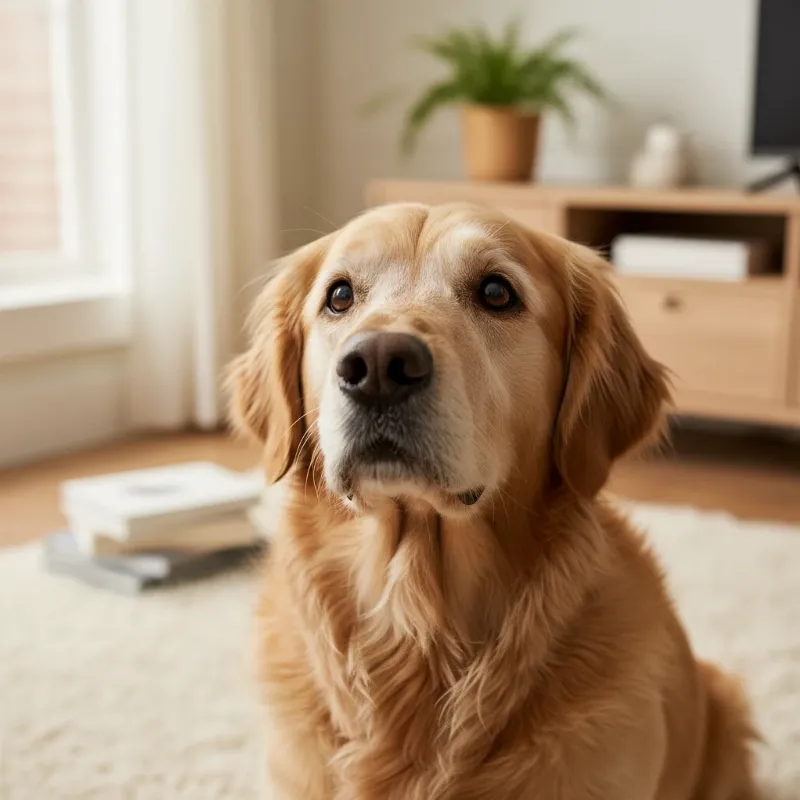 An older Golden Retriever looking up at its owner with a quizzical expression, sitting on a clean living room floor, with soft, natural light creating a gentle mood.
Identifying Behavioral Triggers
If medical issues are ruled out, the accidents are likely behavioral. Consider the dog’s history. A rescue dog may have never been taught the rules of living indoors. They might have been a stray, lived exclusively outside, or come from a puppy mill where they were forced to eliminate in their living space. For these dogs, the concept of a designated “potty spot” is entirely foreign.
Stress and anxiety are also major contributors. A recent move, a new family member (human or furry), or even a change in your work schedule can upset a dog’s routine and trigger anxiety-related accidents. In these cases, the potty problem is a symptom of a larger emotional issue that needs addressing through confidence-building and creating a secure environment.
The Ultimate Guide to Potty Training Your Adult Dog
With medical and behavioral causes considered, it’s time to create a solid training plan. The principles are similar to training a puppy but require extra patience and consistency.
Establish a Rock-Solid Routine
Dogs are creatures of habit; they thrive on predictability. A consistent daily schedule is the foundation of successful potty training for an older dog.
- Frequent Potty Breaks: Start by taking your dog out first thing in the morning, last thing at night, and after every meal, nap, and play session. For an adult dog, this might mean every 2-4 hours initially.
- Scheduled Feeding: Feed your dog at the same times each day. A regular feeding schedule leads to a regular potty schedule, making it easier to predict when they’ll need to go out. Avoid free-feeding, as it makes their elimination needs unpredictable.
- Designated Potty Spot: Always take your dog to the same spot in the yard. This helps them create an association. When you get to the spot, use a verbal cue like “Go potty” or “Do your business.” Stand still and be boring until they go. This isn’t playtime; it’s a business trip.
The Power of Positive Reinforcement
Positive reinforcement is the most effective and humane way to train any dog, regardless of age. The goal is to make going potty outside the most wonderful, rewarding experience possible.
- Reward Success Immediately: The moment your dog finishes urinating or defecating in the designated spot, praise them enthusiastically. Use a happy, excited tone of voice.
- Offer High-Value Treats: Follow up the praise with a special, high-value treat that they only get for successful potty breaks. This could be a small piece of chicken, cheese, or their absolute favorite dog biscuit. The reward must be immediate to create a strong connection between the action and the reward.
- Never Punish Accidents: Rubbing your dog’s nose in their mess, scolding them, or using other punitive methods is counterproductive. It will only teach your dog to fear you and may lead them to hide when they need to eliminate. Punishment creates anxiety, which often makes the problem worse. This is a critical part of the process, much like it is in the early stages of 2 week dog training where positive association is key.
Managing the Environment to Prevent Accidents
While your dog is learning, management is your best friend. The goal is to prevent accidents from happening in the first place, as each accident can reinforce the wrong behavior.
- Constant Supervision: Keep your dog leashed to you in the house or in the same room as you at all times. This allows you to watch for signs they need to go out, such as circling, sniffing the ground intently, or whining.
- Crate Training: When you can’t supervise your dog, a crate is an invaluable tool. Dogs have a natural instinct not to soil their den. The crate should be just large enough for them to stand up and turn around in comfortably.
- Enzymatic Cleaners: Accidents will happen. When they do, it’s crucial to clean them thoroughly with an enzymatic cleaner. These cleaners break down the proteins in urine, completely eliminating the odor that might otherwise attract your dog back to the same spot.
Common Challenges and How to Overcome Them
Training an older dog isn’t always a straight line to success. You may encounter some bumps along the way.
What if My Dog Has Setbacks?
Regression is a normal part of the learning process. If your dog has an accident after a period of success, don’t get discouraged. Re-evaluate your schedule. Are you taking them out frequently enough? Did something stressful happen? Go back to basics for a few days, with more frequent potty breaks and closer supervision.
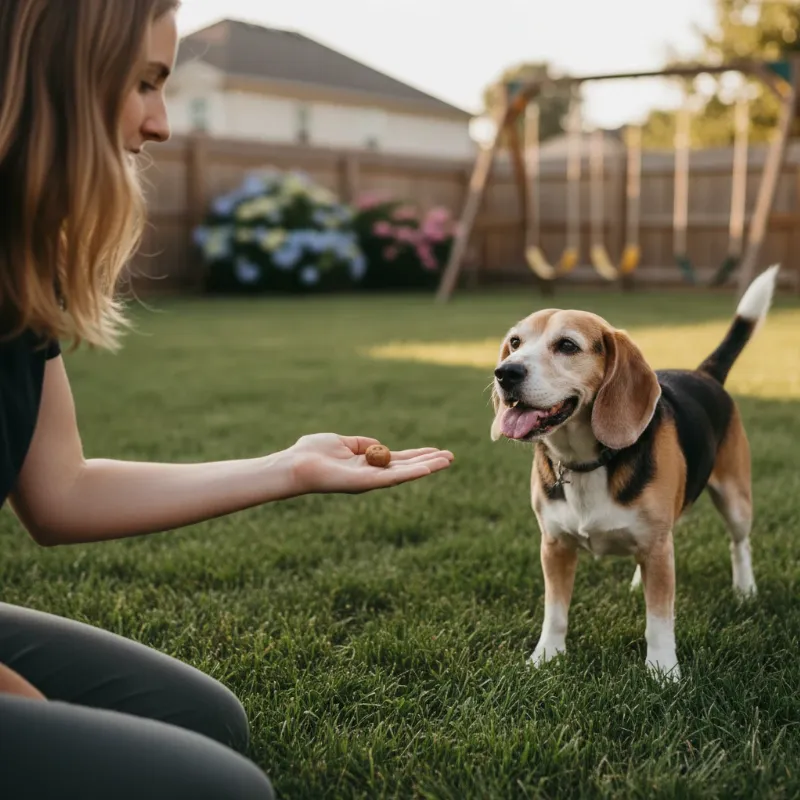 A person patiently teaching an older dog using positive reinforcement, showcasing a strong human-animal bond.
My Dog Was Potty Trained but Started Having Accidents
This is often a sign of a medical issue or a significant environmental change. A vet visit should be your first action. If they are medically clear, consider what has changed in their world. A new pet, a change in routine, or even construction noise next door can cause enough stress to trigger house soiling. Addressing the source of the stress is key.
How Long Does it Take to Potty Train an Older Dog?
There’s no magic number. It can take anywhere from a few weeks to a few months. The timeframe depends on the dog’s past experiences, their ability to learn, and, most importantly, your consistency. Patience is paramount. Celebrate small victories and remember that you are building a foundation of trust and communication that will last a lifetime. The dedication required is similar to what’s needed for more intensive programs, like those for people seeking trained dogs for sale colorado, where consistency is everything.
In conclusion, you absolutely can potty train an old dog. It’s a process that requires a blend of detective work, veterinary consultation, and a structured, positive training plan. By establishing a routine, managing their environment, and celebrating every success, you can teach your mature companion the right place to go. This journey is more than just about a clean floor; it’s about deepening your bond and proving that it’s never too late for a fresh start.
