
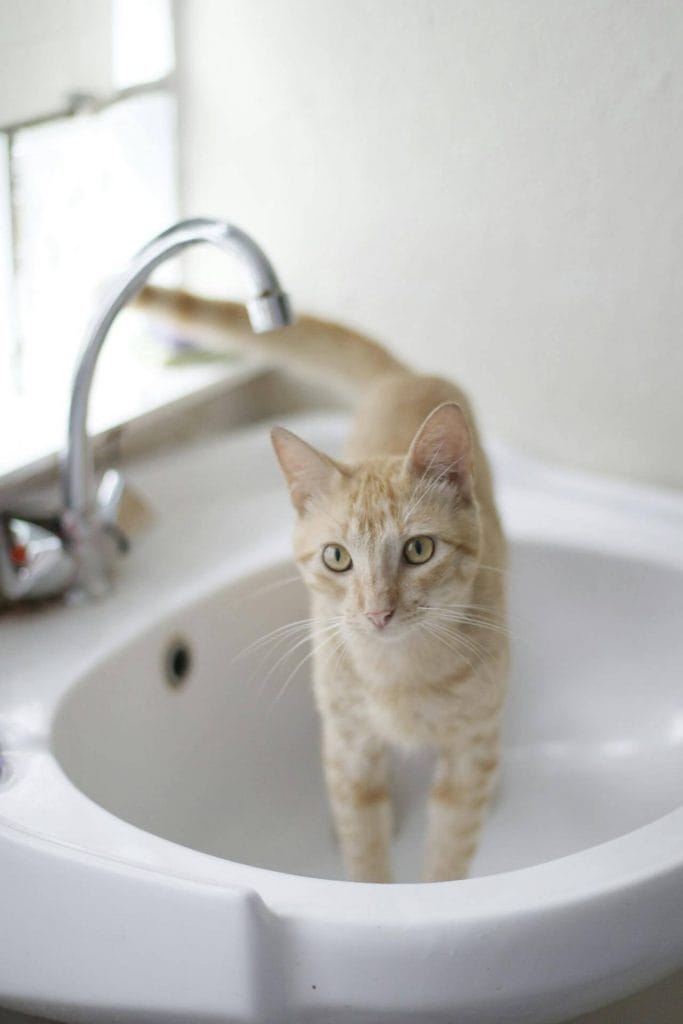
Many cat owners wonder if it’s possible to train their feline companions to use a toilet, much like humans do. The short answer is yes, cats can be trained to use a toilet, although it requires patience, consistency, and understanding of a cat’s natural behaviors. This process, often referred to as “cat toilet training,” can lead to a cleaner home and eliminate the need for litter boxes. “Dog Care Story” is dedicated to exploring all aspects of pet care, and while our name suggests a focus on dogs, the principles of understanding and training pets extend to all our furry friends.
Understanding Your Cat’s Instincts
Cats are naturally fastidious creatures. In the wild, they bury their waste to hide their scent from predators and to maintain cleanliness in their territory. This instinct is why most cats readily take to litter boxes, as they provide a substrate for digging and burying. Toilet training a cat essentially redirects this natural instinct to a more convenient location. It’s crucial to remember that while cats are intelligent and adaptable, they are not small dogs; their motivations and training methods need to be tailored to their unique nature.
The Toilet Training Process: A Step-by-Step Approach
Toilet training a cat is not an overnight process. It involves gradually getting your cat accustomed to the toilet and the idea of using it as their elimination spot. This method builds upon the foundation of litter box use, making it a more natural transition for your pet.
Step 1: Move the Litter Box Closer to the Toilet
Begin by placing your cat’s current litter box right next to the toilet. Ensure your cat is comfortable using it in this new location before proceeding. This step helps your cat associate the toilet area with elimination.
Step 2: Gradually Raise the Litter Box
Once your cat is consistently using the litter box next to the toilet, start raising its height. You can use sturdy books, magazines, or wooden blocks to gradually elevate the litter box. Add height incrementally over several days or weeks, ensuring your cat can still comfortably access the box. The goal is to eventually have the litter box level with the toilet seat.
Step 3: Introduce a Training Litter Box on the Toilet
When the litter box is at toilet seat height, switch to a specialized cat toilet training system. These systems typically consist of a series of rings that fit into your toilet bowl, with flushable litter. Place this training system on the toilet rim, filled with flushable cat litter. Your cat should now be jumping up to use this.
Step 4: Gradually Remove the Rings
The training systems come with removable rings. Once your cat is comfortable using the system on the toilet, begin removing the innermost ring. This creates a larger hole in the center, encouraging your cat to perch on the seat itself while eliminating. Continue removing rings one by one, allowing your cat to adjust at each stage. Flushable litter is essential here, as it will be flushed down the toilet.
Step 5: Remove the Training System Entirely
After the final ring is removed, your cat should be using the toilet directly. At this point, you can stop using litter altogether. Your cat will learn to balance on the seat and eliminate into the water. If you’re looking for more detailed guidance on specific training techniques, resources on how to train your cat to use the toilet can provide further insights.
Troubleshooting Common Issues
Like any training, cat toilet training can present challenges. Here are some common problems and how to address them:
- Refusal to use the elevated litter box or training system: This usually indicates you’ve moved too quickly. Go back a step and allow your cat more time to adjust. Ensure the litter box or training system is clean.
- Accidents outside the toilet: Accidents can happen if the cat is stressed, the training is progressing too fast, or if there’s a medical issue. Never punish your cat; clean up the mess with an enzymatic cleaner to eliminate odors, and reassess the training steps.
- Fear of the flushing sound: Some cats are startled by the sound of the flush. Try to flush only when your cat is not in the bathroom. Gradually, they may become accustomed to the noise.
- Difficulty balancing: Smaller or older cats might struggle with balancing on the toilet seat. Ensure the seat is secure and consider if this method is suitable for your specific cat’s physical capabilities.
For those interested in alternatives or complementary training, understanding ways to litter train a kitten can offer valuable perspectives, even if the ultimate goal is toilet training.
Benefits of Toilet Training Your Cat
The advantages of successfully toilet training a cat are numerous:
- Cleanliness: Eliminates litter box odor and mess, contributing to a more pleasant home environment.
- Cost Savings: Reduces or eliminates the ongoing cost of purchasing litter.
- Convenience: No more scooping or changing litter boxes.
- Reduced Allergens: Less dander and dust associated with traditional litter.
Important Considerations
While toilet training can be a rewarding experience, it’s not suitable for every cat or owner.
- Patience is Key: This process can take weeks or even months. Consistency and positive reinforcement are vital.
- Cat’s Health: Monitor your cat’s urinary and bowel movements closely. Any changes could indicate a health problem, and toilet training can sometimes make it harder to detect subtle signs of illness.
- Not for All Cats: Kittens, senior cats, cats with mobility issues, or cats with certain behavioral problems may not be good candidates for toilet training. For instance, if you’re dealing with a very young kitten, exploring resources like a cat potty training kit might be a better starting point for litter habits.
- Sharing with Other Pets: If you have multiple cats or dogs, consider how toilet training will impact them. It might be challenging to train multiple cats simultaneously, and dogs are generally not candidates for toilet training in the same way cats are. Some owners find that a comprehensive potty train a cat guide is essential for managing multiple pets.
Conclusion
Yes, you absolutely can potty train a cat. It’s a feasible goal that, with dedication and the right approach, can lead to a cleaner, more convenient lifestyle for both you and your feline friend. By understanding your cat’s natural instincts and following a gradual, patient training process, you can successfully transition your cat from a litter box user to a toilet user. Remember to celebrate small victories and adapt the process to your cat’s individual needs. This journey, much like understanding the unique personalities of different dog breeds, is about building a stronger bond through shared learning and mutual respect.
