
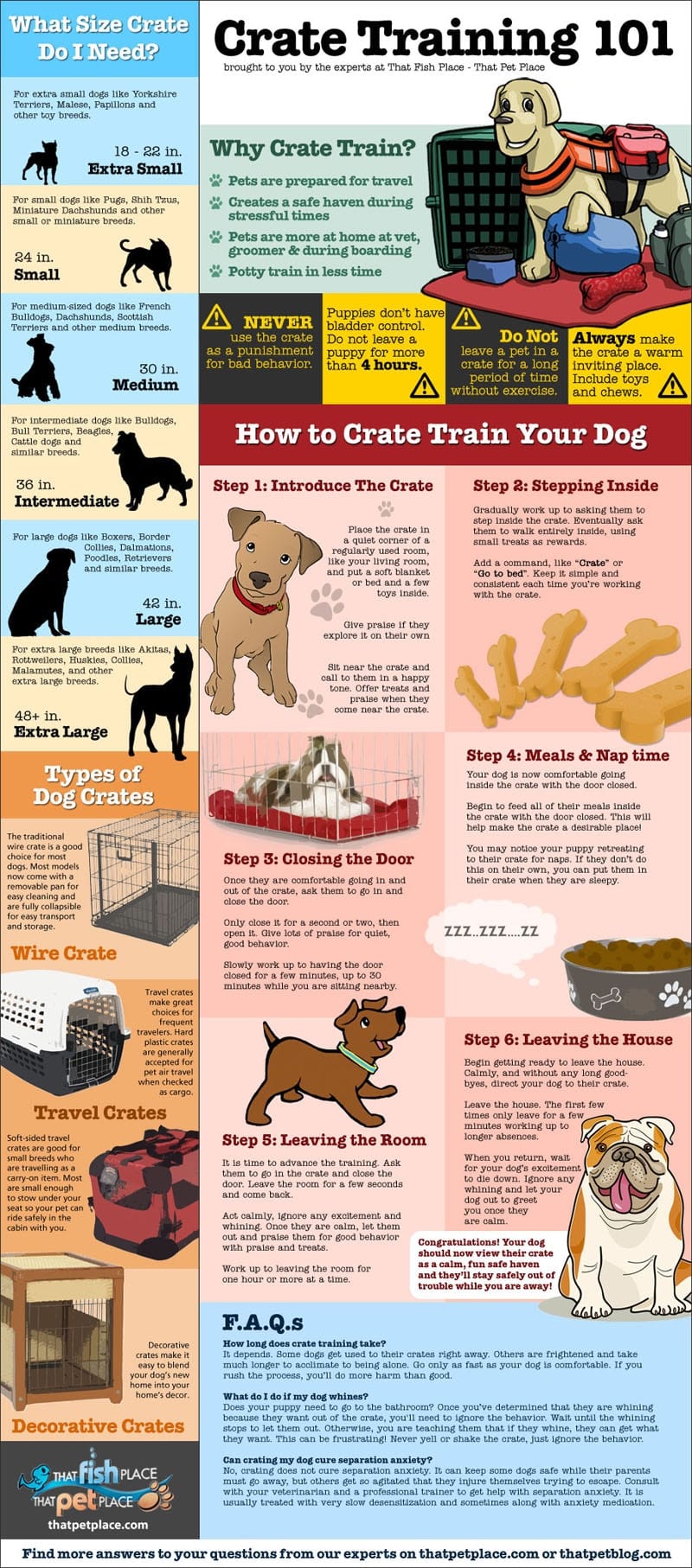
It’s a common question among dog owners: “Can You Kennel Train An Older Dog?” The short answer is a resounding yes! While puppies are often thought of as the ideal candidates for kennel training, older dogs can absolutely learn to be comfortable and happy in a crate. It might require a different approach and a bit more patience, but the rewards of successful kennel training—including providing a safe den, aiding in house-training, and managing separation anxiety—are well worth the effort. Many of us have heard stories about dogs thriving in crates, offering them a sense of security and a personal space, and this is achievable regardless of your dog’s age. If you’re wondering whether it’s too late to introduce your senior dog to a crate, this guide is here to help you navigate the process.
Understanding Kennel Training for Adult Dogs
Kennel training, often referred to as crate training, is about teaching your dog to view their crate not as a prison, but as a safe and comfortable den. For older dogs, who may have established habits or past experiences that influence their behavior, this process focuses on building positive associations. Unlike puppies who are new to the world, adult dogs come with a history. This history can include previous positive or negative experiences with crates, or even a lack of any prior training. Understanding this background is crucial for tailoring your approach. The goal is to make the crate a desirable place, filled with good things, rather than a place of punishment or confinement.
Why Kennel Train an Older Dog?
There are several compelling reasons to consider kennel training an older dog:
- House Training Support: For dogs that may still have accidents, a crate can help manage their elimination schedule and reinforce potty training. Dogs naturally avoid soiling their sleeping area, making the crate an effective tool for preventing accidents indoors when supervised.
- Safe Haven: A crate provides a secure, private space for your dog to retreat to when they feel overwhelmed, scared, or just want some quiet time. This is particularly beneficial for older dogs who might be more sensitive to noise or commotion.
- Managing Separation Anxiety: While not a cure-all, a properly introduced crate can help some dogs cope better when left alone, by giving them a defined space that smells familiar and feels safe.
- Travel Companion: A familiar crate can make travel less stressful for your dog, providing them with a sense of normalcy in unfamiliar surroundings.
- Preventing Destructive Behavior: When left unsupervised, older dogs, like younger ones, can sometimes engage in destructive behaviors out of boredom, anxiety, or stress. A crate can prevent this.
Common Concerns and Misconceptions
One of the biggest concerns is that kennel training is cruel or will make a dog feel anxious or depressed. This is a misconception. When done correctly, with positive reinforcement and patience, kennel training is a humane and effective method that benefits the dog. It’s essential to remember that the crate should never be used as a form of punishment. The crate is a tool for management and building confidence, not for discipline.
How to Kennel Train an Older Dog: A Step-by-Step Approach
The key to successfully kennel training an older dog is patience, consistency, and positive reinforcement. Rushing the process can lead to anxiety and resistance.
Step 1: Choosing the Right Crate
- Size Matters: The crate should be large enough for your dog to stand up, turn around, and lie down comfortably. If you’re using a crate that’s too large, your dog might use one end as a potty area. Many crates come with dividers to adjust the space as your dog grows or if you’re training an older dog that might have had a larger space previously.
- Type of Crate: Wire crates are popular for their visibility and ventilation, while plastic or vari-kennels offer a more den-like feel and are often preferred for travel. Choose a type that you believe will best suit your dog’s personality and your needs.
Step 2: Introducing the Crate Positively
This is the most critical phase. You want your dog to associate the crate with good things.
- Make it Appealing: Place comfortable bedding, a favorite toy, or a special chew inside the crate. Leave the door open.
- No Force: Never force your dog into the crate. Let them explore it at their own pace. If they show interest, reward them with praise and a small, high-value treat.
- Feeding Time: Start feeding your dog their meals inside the crate, with the door open. Gradually, you can start closing the door for short periods while they eat, gradually increasing the duration.
- Positive Association: Toss treats or kibble just inside the door, then further inside, encouraging your dog to enter. When they go in, praise them enthusiastically.
Step 3: Gradual Acclimation
Once your dog is comfortable entering the crate and eating meals there, you can start working on longer durations.
- Short Periods: Start by closing the door for just a few minutes while you are present in the room. Offer a special chew toy to keep them occupied.
- Increase Duration: Gradually increase the amount of time the door is closed, always staying nearby. Observe your dog for signs of stress (pacing, whining, barking). If you see these signs, you’ve progressed too quickly. Go back to a shorter duration where they were comfortable.
- Practice Departures: Once your dog is comfortable with you being in the room, start practicing short departures. Leave the room for a few minutes, then return before your dog becomes distressed. Always greet them calmly.
- Building Up Time Alone: Slowly increase the time you are gone, working up to the maximum amount of time your dog will need to be crated.
Step 4: Handling Resistance and Setbacks
It’s important to be prepared for setbacks. Older dogs may take longer to adjust, or they might have a bad experience that causes them to regress.
- Don’t Punish Whining: If your dog whines or barks, resist the urge to let them out immediately, as this can reinforce the behavior. Wait for a brief pause in the noise before opening the door. However, if your dog is in extreme distress, it might be a sign you need to go back a step or reassess the situation.
- Rule Out Medical Issues: Persistent difficulty with crate training, especially in an older dog, could indicate underlying medical issues or severe anxiety. Consult your veterinarian.
- Professional Help: If you’re struggling, don’t hesitate to seek guidance from a professional dog trainer or a veterinary behaviorist. They can offer personalized strategies and support.
Tips for Successful Kennel Training for Older Dogs
- Consistency is Key: Everyone in the household needs to be on the same page with the training methods and schedule.
- Patience, Patience, Patience: Older dogs may need more time and repetition than puppies. Celebrate small victories and don’t get discouraged by slow progress.
- High-Value Rewards: Use treats, toys, or praise that your dog finds incredibly rewarding during training sessions.
- Establish a Routine: Dogs thrive on routine. Incorporate crate time into your dog’s daily schedule, perhaps after meals or before you leave the house.
- Exercise and Mental Stimulation: Ensure your dog is getting enough physical activity and mental engagement throughout the day. A tired dog is often a more relaxed dog, which can make crate training easier.
- Never Use as Punishment: Reinforce this rule constantly. The crate should always be a positive space.
- Consider Professional Training Resources: For specific challenges like how to kennel train older dog, resources and professional guidance can be invaluable. Similarly, if your dog struggles with being left alone, understanding is it too late to crate train my dog can provide perspective.
What About Pre-Trained Dogs?
You might wonder if buying pre trained dogs for sale negates the need for kennel training. While pre-trained dogs may have a head start, kennel training can still be beneficial. It ensures the dog views the crate as a positive space and can aid in their adjustment to a new home, even if they were previously crate-trained by someone else. The principles of positive reinforcement still apply.
Addressing Specific Challenges
Some older dogs may have specific issues that need attention during kennel training:
- Previous Negative Experiences: If your dog was previously kept in a crate for too long, used as punishment, or had a traumatic experience, they might exhibit fear or anxiety. In such cases, very slow introductions and professional help are crucial. You may need to focus on making the crate appealing from a distance before encouraging entry.
- Physical Limitations: Dogs with arthritis or other mobility issues might find it painful to get into or out of a crate, or to lie down comfortably. Ensure the crate is easily accessible and has comfortable bedding. You might need to consult your vet about pain management.
- House-Soiling Issues: If house-soiling is the primary concern, ensure the crate is the correct size. If accidents persist, it’s vital to consult your vet to rule out medical causes such as urinary tract infections or cognitive dysfunction.
Conclusion: Giving Your Older Dog a Safe Space
Can you kennel train an older dog? Absolutely. With the right approach, patience, and a focus on positive reinforcement, you can successfully introduce your older dog to a crate, providing them with a secure den that enhances their well-being. It’s an investment in your dog’s comfort, safety, and your peace of mind. Remember that every dog is an individual, and their journey to crate comfort may differ. By following these steps and remaining consistent, you can help your senior companion embrace their new safe space. This journey is about building trust and reinforcing the bond you share, ensuring that even in their golden years, your dog feels secure and loved.
