
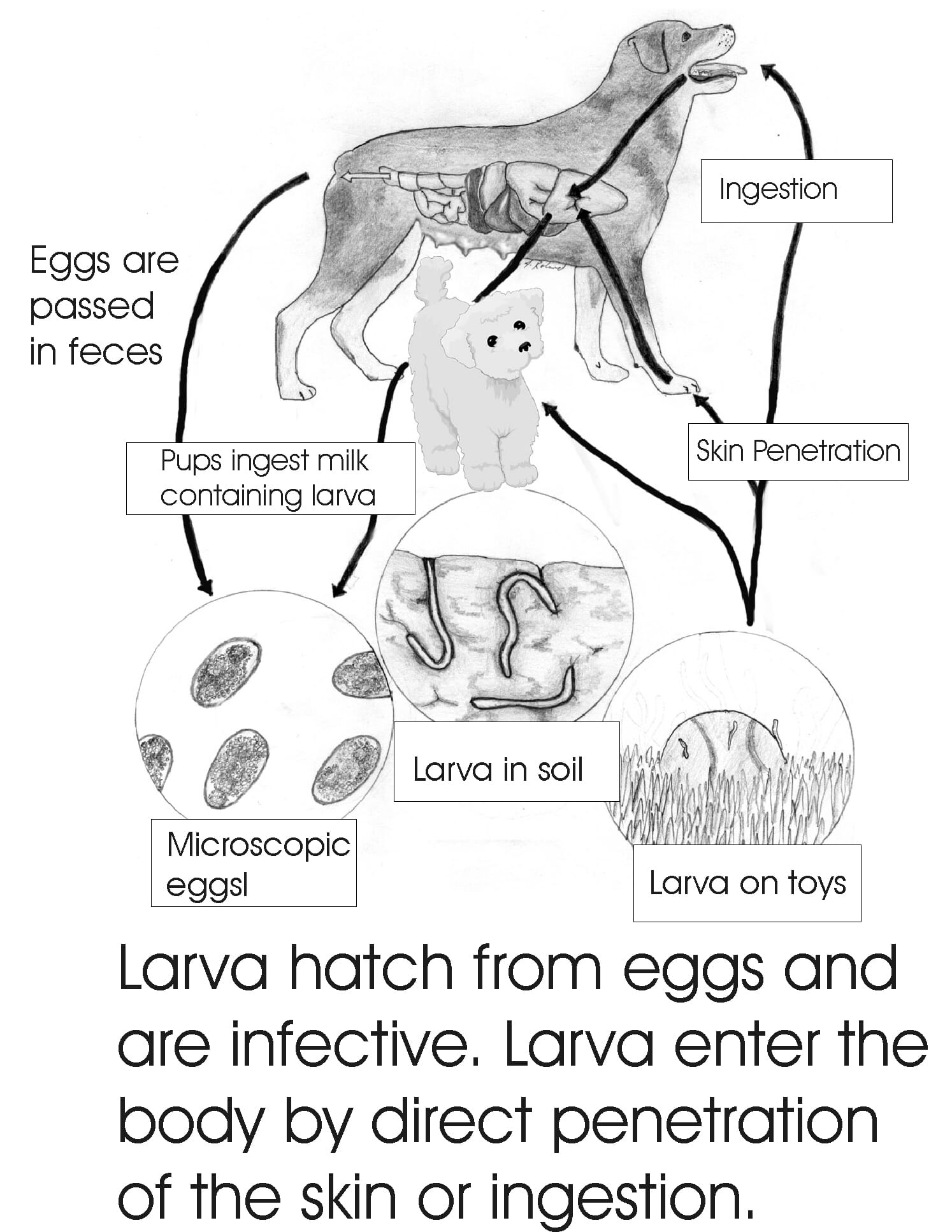
The bond between pet owners and their dogs is incredibly strong, often leading to dogs being considered cherished members of the family. This close relationship, filled with cuddles and shared living spaces, can sometimes lead to an unintended consequence: the exchange of parasites. A common and valid concern among dog owners is, “Can humans get worms from dogs?” This question highlights the importance of understanding parasite transmission to ensure the health and well-being of both pets and their human companions. This article aims to provide clarity on how these parasites are transmitted and, more importantly, how to prevent them.
How Worm Transmission Occurs
Parasites, including various types of worms, can transfer from animals to humans through several pathways. Recognizing these transmission routes is the critical first step in effective prevention.
Direct Contact with Infected Soil or Feces
One of the most prevalent ways humans can contract worms from dogs is through direct contact with contaminated soil or feces. When a dog harbors intestinal worms, their feces may contain worm eggs or larvae. If a person, particularly a child who might be less aware of hygiene practices, comes into contact with this contaminated material and subsequently touches their mouth or handles food without washing their hands, the infection can be transmitted.
Ingesting Contaminated Food or Water
Worm eggs can easily contaminate water sources or food items that have been exposed to infected soil or feces. Consuming food or water that has been compromised in this manner can lead to the ingestion of worm eggs, initiating an infection in humans. This emphasizes the need for careful food handling and ensuring access to clean drinking water for both pets and people.
Common Types of Worms Transmitted from Dogs to Humans
Several types of worms commonly found in dogs can also infect humans, each presenting distinct symptoms and potential health implications. Awareness of these parasites is vital for timely prevention and early detection.
- Roundworms: Among the most common canine parasites transmissible to humans are roundworms. In humans, these can cause a condition known as visceral larva migrans. This occurs when the worm larvae travel through the human body, potentially damaging vital organs and leading to significant health complications.
- Hookworms: Hookworms represent another group of parasites that dogs can transmit to humans, causing a condition called cutaneous larva migrans. This infection is typically characterized by intensely itchy, red tracks on the skin, marking the path of the migrating larvae.
- Tapeworms: Although less frequent, humans can contract certain types of tapeworms from dogs. This usually happens through the accidental ingestion of a flea that is carrying tapeworm larvae. Controlling flea populations in pets is therefore an important aspect of preventing tapeworm transmission.
Prevention Tips for Pet Owners
Safeguarding your family and pets from worm transmission requires a multifaceted approach that combines diligent personal hygiene, consistent pet care, and responsible environmental management. Implementing the following practical tips can significantly reduce the risk of parasite transmission.
Regular Veterinary Visits and Deworming
Maintaining a regular schedule of veterinary check-ups and adhering to recommended deworming treatments for your dog is paramount. Veterinarians can provide guidance on the most effective deworming protocols tailored to your dog’s specific needs and lifestyle.
Personal Hygiene Practices
Washing hands thoroughly and frequently is a cornerstone of preventing parasite transmission. This is especially important after playing with your dog, handling their waste, or engaging in gardening activities where contact with contaminated soil is possible. Educating children about the importance of handwashing can further bolster these protective measures.
Environmental Cleanliness
Prompt and proper disposal of pet waste is essential in minimizing the spread of worm eggs. Maintaining a clean living environment for both your pets and your family helps prevent the contamination of your home and yard. This includes regular cleaning of pet bedding and living areas.
When to Seek Veterinary Care
If you suspect that your dog may have a worm infestation, it is crucial to consult a veterinarian immediately. Signs of worms in dogs can vary but often include visible worms in their stool, unexplained weight loss, a distended abdomen, lethargy, and changes in appetite. Early detection and treatment are key to preventing the spread of parasites and ensuring your pet’s well-being. Protecting the health of your family begins with safeguarding the health of your beloved pets.
