
Planning a trip and wondering, “Can I bring my pet bird on the train?” The answer is usually yes, but it comes with a set of rules and considerations to ensure a smooth journey for both you and your avian companion. This guide will walk you through the essentials of train travel with a pet bird, covering carrier requirements, preparation, and general etiquette.
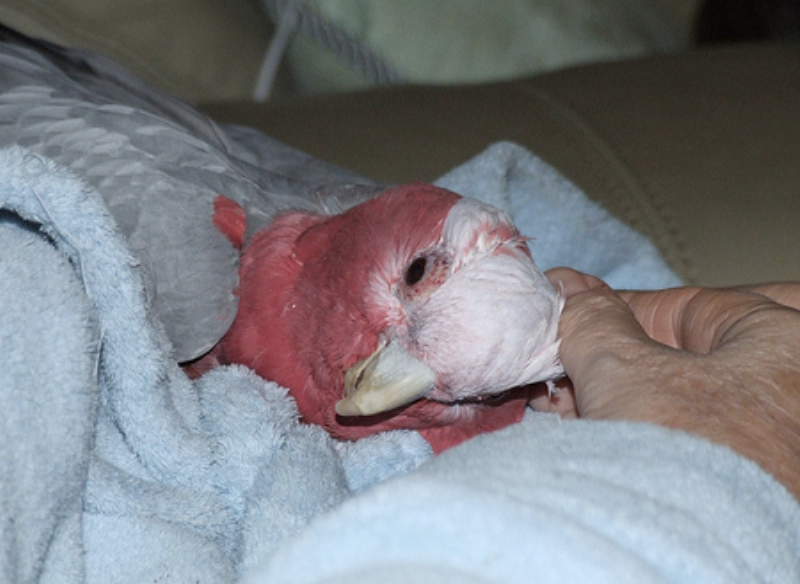 Can I carry my pet bird on the train? A person holding a small bird carrier on a train platform.
Understanding Train Travel Regulations for Pets
Most train operators have specific policies regarding the transportation of pets. While dogs and cats are commonly accommodated, birds often fall into a “small pet” category. It’s crucial to check the official website or contact the specific train company you’ll be using well in advance of your travel date. Look for sections on “Traveling with Pets” or “Special Assistance.” These policies will detail:
- Carrier Requirements: What type of carrier is permissible? This is perhaps the most critical aspect. Carriers are typically required to be secure, well-ventilated, leak-proof, and small enough to fit on your lap or under the seat in front of you. For birds, this often means a specially designed bird carrier rather than a standard travel cage. Some companies may have specific dimensions.
- Size and Type Restrictions: While most small pets are allowed, some train lines might have weight or size limits, or prohibit certain types of animals. For birds, this is less of an issue unless you have a very large parrot.
- Booking and Fees: Do you need to book a spot for your bird in advance? Is there an additional fee? Many services require advance notification and a small charge for pets.
- Designated Areas: Are there specific cars or sections of the train where pets are allowed? Sometimes, pets are restricted to certain carriages to minimize disturbance to other passengers.
- Health and Safety: Some companies may require a recent health certificate from a veterinarian, especially for longer journeys or inter-city travel.
Preparing Your Bird for Train Travel
Once you’ve confirmed that your train operator allows pet birds and you understand their specific rules, it’s time to prepare your feathered friend for the journey.
Choosing the Right Carrier
This is paramount. A standard open cage is unsuitable for train travel. You’ll need a secure, enclosed carrier that meets the train’s requirements. Look for:
- Ventilation: Ample airflow is essential for your bird’s comfort and safety. Carriers with multiple ventilation panels or mesh windows are ideal.
- Security: The carrier should latch securely to prevent escapes. Birds can be surprisingly adept at finding ways out of poorly designed carriers.
- Size: It should be large enough for your bird to stand and turn around comfortably, but small enough to comply with train regulations. Avoid overly large carriers that might be cumbersome.
- Comfort: While birds don’t need elaborate bedding for short trips, ensure the bottom is lined with absorbent material like paper or a disposable cage liner. Some carriers have perches; ensure they are stable and appropriately sized for your bird.
If you are considering training a bird dog, the principles of secure transport are similar, though the carriers are obviously different.
Acclimatizing Your Bird to the Carrier
Don’t introduce your bird to the travel carrier for the first time on the day of your trip. Start this process several days or even weeks in advance.
- Positive Association: Leave the carrier open in your bird’s usual environment with the door ajar. Place familiar toys and treats inside to encourage exploration.
- Short Durations: Once your bird seems comfortable entering and exiting the carrier, start closing the door for short periods while you are present. Gradually increase the duration.
- Movement: When your bird is comfortable inside with the door closed, start gently moving the carrier around the room, then around the house. This helps them get used to the sensation of motion.
- Simulate Travel: For the final stage, take short car rides with the carrier. This will best simulate the motion and sounds of travel.
This desensitization process can significantly reduce stress for your bird on the actual travel day.
Pre-Travel Health Check
A quick visit to your avian veterinarian is a wise precaution. Ensure your bird is healthy and fit for travel. Discuss any concerns you might have about stress or motion sickness. Your vet can offer advice and potentially provide medication if deemed necessary, although this is rarely required for birds unless they are particularly prone to anxiety.
On the Day of Travel
Packing Essentials
Besides the carrier, pack a small “avian travel kit”:
- Water: Offer water before you leave. Some travel bottles can attach to carriers, but be cautious about spillage during transit. A small syringe or dropper can be useful for offering water discreetly if needed.
- Food: Pack a small amount of your bird’s regular food. For shorter trips, they may not need to eat much, but having a small supply is good. Avoid messy foods that could create a hazard in the carrier.
- Wipes/Paper Towels: Accidents happen. Be prepared for quick clean-ups.
- Mister Bottle: A light misting can help keep your bird cool and hydrated, especially if the train is warm.
- Favorite Toy: A small, safe toy can provide comfort and distraction.
Boarding the Train
- Arrive Early: Give yourself plenty of time to navigate the station, find your platform, and board without rushing.
- Inform Staff: When you arrive at the gate or board the train, discreetly inform a staff member that you are traveling with a pet bird. This can help if any issues arise.
- Placement: Securely place the carrier under the seat in front of you or on your lap. Ensure it is stable and won’t tip over.
During the Journey
Minimize Stress
- Keep it Covered: Partially covering the carrier with a light cloth can help create a sense of security and reduce visual stimulation, which can be overwhelming in a new environment. Ensure adequate ventilation is still maintained.
- Quiet Environment: Try to keep your bird in a quiet, calm state. Avoid loud noises or sudden movements near the carrier.
- Limited Interaction: Resist the urge to constantly open the carrier to check on your bird. This can increase their anxiety. If you need to offer water or a treat, do so quickly and calmly.
- Avoid Feeding Messy Foods: Stick to dry seeds or pellets. Wet foods can create a mess and attract insects.
Be Considerate of Other Passengers
- Noise: While some birds naturally vocalize, try to keep your bird as quiet as possible. If your bird becomes overly distressed and noisy, this can be challenging. Consider the possibility that some passengers may have allergies or phobias.
- Odors: Birds themselves don’t typically produce strong odors, but a soiled carrier can. Keep the carrier clean to maintain a pleasant environment for everyone.
- Allergies: Be mindful that some individuals have severe allergies to birds or their dander. While you can’t control this, being discreet and clean helps.
What if My Bird Needs to Go Potty?
This is a common concern for longer journeys. Unlike dogs, birds don’t have a designated “potty break” in the same way. If your bird soils its carrier, you’ll need to perform a quick, discreet clean-up when possible, perhaps during a station stop if you can exit briefly and safely. This is where having wipes and paper towels readily available is essential.
Beyond the Basics: Long-Distance Travel and Specific Breeds
For very long journeys, the stress on your bird increases. It’s advisable to consult with your avian vet about specific preparations, such as potential sedatives or tailored hydration strategies. Some larger parrot species might also have different needs regarding space and temperature regulation.
Enjoy Your Trip!
Traveling with a pet bird on a train can be a rewarding experience. With proper planning, preparation, and consideration for fellow passengers, you can ensure a safe and comfortable journey for your feathered companion. Always remember to check the specific regulations of your chosen train operator, as these are the ultimate guide to a hassle-free trip. Happy travels with your bird!
