
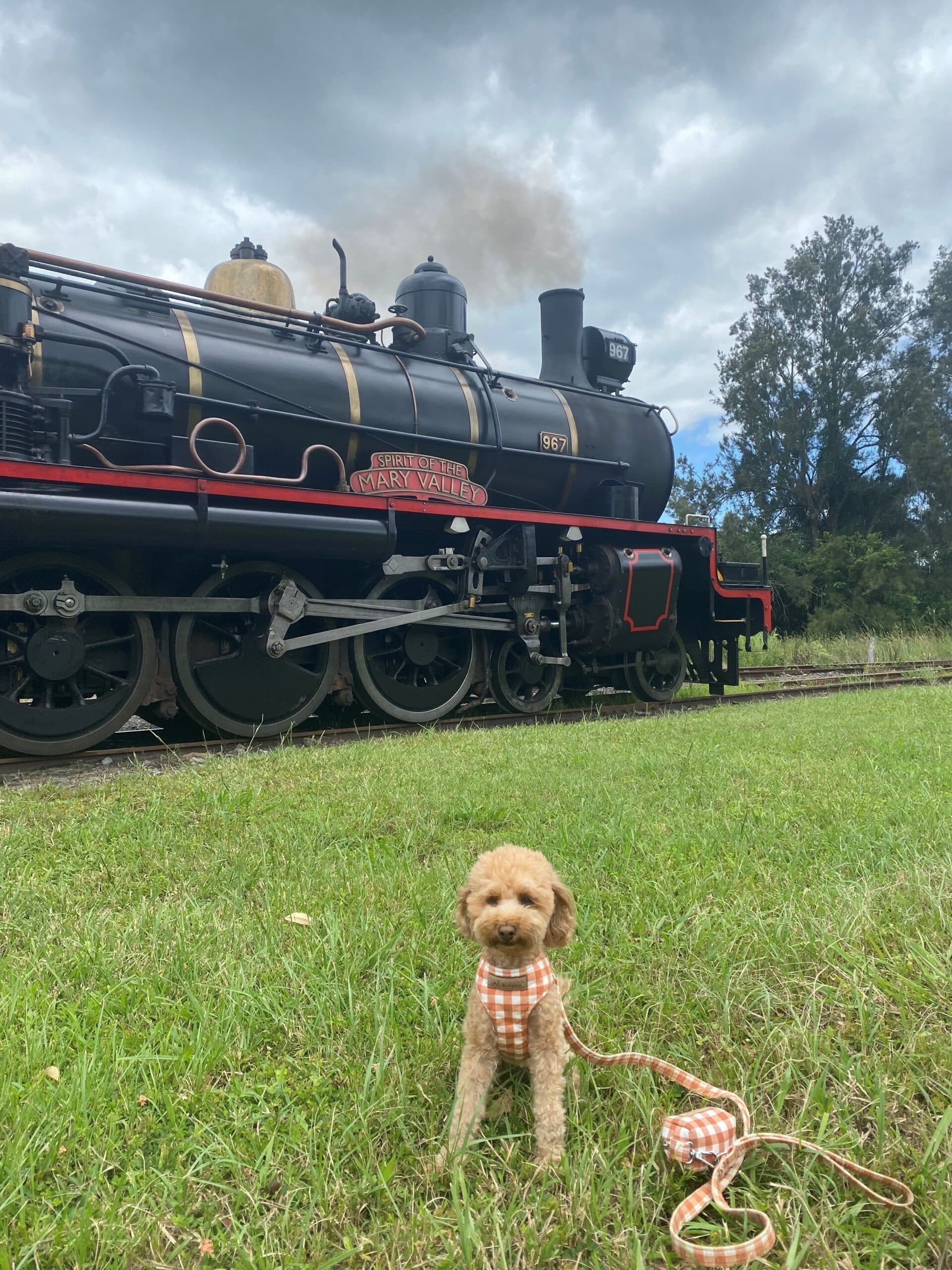
The rhythmic click-clack of train wheels on the tracks has long evoked a sense of adventure and discovery. For many, the joy of travel is amplified by the companionship of their furry friends. If you’re wondering whether your canine companion can join you on your next railway journey, the answer is a resounding yes, with a few important considerations. Understanding the specific policies of different train operators and preparing your dog accordingly are key to a smooth and enjoyable trip.
The world of pet travel is constantly evolving, and train travel offers a unique and often stress-free alternative to other modes of transport. Many passengers find that bringing their dogs along enhances their travel experience, creating memorable moments and allowing them to keep their beloved pets by their side. However, like any form of travel with pets, it requires planning and adherence to rules to ensure the comfort and safety of everyone on board, including fellow passengers and the animals themselves. This guide will delve into the generalities of train travel with dogs, highlighting what to expect and how to prepare, so you and your four-legged friend can embark on your adventures together.
Understanding Train Travel Policies for Dogs
When planning a train journey with your dog, the first and most crucial step is to familiarize yourself with the specific policies of the train company you intend to use. These policies can vary significantly from one operator to another, and even by route or class of service within the same company. Generally, most train services that allow dogs have a set of rules designed to ensure a safe and comfortable environment for all passengers.
These rules often dictate the size and type of dog permitted, whether they need to be in a carrier, and if there are any additional fees. For instance, some companies might allow well-behaved dogs of any size to travel if they are leashed and muzzled, while others may restrict travel to smaller dogs that can comfortably fit in a carrier that slides completely under the seat. It’s also common to find restrictions on the number of dogs allowed per passenger or per train.
Amtrak’s Pet Policy
Amtrak, a popular choice for many travelers in the United States, has a relatively accommodating pet policy. They allow small dogs and cats to travel with their owners in coach class on most routes. The pet must remain in a carrier that is no larger than 16″ wide x 35″ long x 23″ high, and the carrier must fit completely beneath the seat in front of you. Amtrak specifies that the carrier must be secure, well-ventilated, and leak-proof. There is a limit of one pet carrier per passenger, and pets must be at least 8 weeks old. While Amtrak does not charge an additional fee for pets, it’s always wise to double-check their website or contact customer service for the most current information and any specific route exceptions. For those looking for more in-depth information on this topic, resources such as amtrak dogs on train can provide further details.
European Train Travel with Dogs
In Europe, train travel with dogs is common, but policies vary widely across countries and rail operators. For example, on many national rail networks like Deutsche Bahn in Germany or SNCF in France, smaller dogs that can fit in a carrier are often allowed free of charge, similar to carry-on luggage. However, larger dogs typically require a ticket, often at a reduced fare, and must be kept on a leash and muzzled. Some high-speed trains, like the Eurostar, have stricter rules and may only allow service animals. It is essential to research the specific rules for each country and train line you plan to use well in advance of your trip.
Other International Rail Services
Travel with dogs on trains internationally, outside of major networks like Amtrak or European systems, requires even more diligent research. Many countries have specific import regulations for animals, which may include health certificates, vaccination records, and quarantine periods, regardless of the mode of transport. Always verify the pet policies of the national rail service and any connecting services you plan to use.
Preparing Your Dog for Train Travel
Once you’ve confirmed that your dog is welcome on board, the next step is to prepare them for the journey. Train travel can be an exciting new experience for a dog, but it can also be overwhelming if they are not accustomed to new environments, sounds, and crowds. Proper preparation can significantly reduce stress for both you and your pet.
Essential Preparations
- Carrier Comfort: If your dog needs to travel in a carrier, ensure it’s large enough for them to stand, turn around, and lie down comfortably. Make it a positive space by leaving it open at home with blankets and toys inside, encouraging your dog to enter and rest in it. Feed them meals near or inside the carrier to build positive associations.
- Leash and Muzzle Training: Even if your dog is generally well-behaved, a leash is almost always mandatory. For larger dogs, or as required by the specific train line, a muzzle may also be necessary. Gradually introduce your dog to wearing a comfortable muzzle for short periods, pairing it with treats and praise. This training can prevent anxiety during the journey.
- Socialization: Expose your dog to various sounds, sights, and people in a controlled and positive manner. This can include walks in busy parks or even short trips to public places (where allowed) to get them used to different stimuli. A well-socialized dog will be less reactive and more adaptable to the novel environment of a train.
- Veterinary Check-up: Before embarking on any significant travel, it’s a good idea to have your dog checked by a veterinarian. Ensure they are up-to-date on vaccinations and discuss any concerns you might have about travel anxiety or motion sickness. Your vet can offer advice or prescribe medication if necessary.
What to Pack for Your Dog
Packing the right essentials for your dog can make a world of difference. Beyond the carrier and leash, consider bringing:
- Food and Water: Pack enough of your dog’s regular food for the entire trip, plus a little extra. Bring portable water bowls and a sufficient supply of fresh water. Some dogs may experience digestive upset with sudden changes in diet or water.
- Medications: If your dog takes any medication, bring an ample supply, along with dosage instructions.
- Comfort Items: A familiar blanket or a favorite toy can provide comfort and a sense of security for your dog in a strange environment.
- Waste Bags: Always be prepared to clean up after your dog immediately. Carry more waste bags than you think you’ll need.
- Grooming Supplies: A small brush might be useful for shedding, and a towel can be handy for unexpected messes.
- Identification: Ensure your dog wears a collar with an ID tag that includes your name, phone number, and address. Consider microchipping if your dog isn’t already.
During the Journey: Keeping Your Dog Comfortable and Safe
Once you’re on the train, your focus shifts to managing your dog’s comfort and ensuring they don’t become a nuisance or a danger to others. Staying calm and attentive is key.
Managing Your Dog’s Needs
- Potty Breaks: Plan for stops where your dog can relieve themselves. Some train stations have designated pet relief areas. If not, find a suitable outdoor spot away from crowds. Always clean up thoroughly.
- Feeding and Hydration: Offer water periodically, especially on longer journeys. Avoid feeding your dog a large meal just before or during the trip, as this can increase the risk of motion sickness. Small, easily digestible snacks might be okay if your dog is accustomed to them.
- Behavioral Management: Keep your dog on a leash or secured in their carrier at all times when not in a designated pet area. Prevent them from roaming the aisles or bothering other passengers. Discourage excessive barking. If your dog is anxious, speak calmly and reassuringly.
- Temperature Control: Trains can sometimes be too warm or too cold. Monitor your dog for signs of overheating (panting, lethargy) or being chilled (shivering). Adjust their comfort as needed.
Handling Unexpected Situations
- Motion Sickness: If your dog is prone to motion sickness, consult your vet about preventative medication. Symptoms include excessive drooling, panting, vomiting, and lethargy. If your dog becomes ill, try to keep them as comfortable as possible and clean up any messes promptly.
- Anxiety or Fear: Some dogs may become anxious or fearful in a new environment. Remain calm, offer reassurance, and use comfort items. Avoid forcing your dog into situations that cause distress. If anxiety is severe, the train journey might not be suitable for your dog. For persistent issues, seeking professional guidance from an in house dog trainer could be beneficial.
- Interactions with Other Passengers: Be mindful of other passengers. Some people may have allergies or phobias related to dogs. Keep your dog at a respectful distance and ask permission before allowing interactions.
Frequently Asked Questions About Dogs on Trains
Q1: Do all trains allow dogs?
A1: No, not all trains allow dogs. Policies vary significantly by train operator, country, and even specific routes. Always check the pet policy of the train company before booking your ticket.
Q2: Are there size or breed restrictions for dogs on trains?
A2: Many train companies have restrictions on the size of dogs allowed. Smaller dogs that can fit in a carrier are often permitted, while larger dogs may require a special ticket, a muzzle, or may not be allowed at all. Breed restrictions are less common but can exist with some operators.
Q3: Do I need to muzzle my dog on the train?
A3: This depends on the train operator’s policy and the size of your dog. Some require muzzles for all dogs, or specifically for larger breeds, for safety reasons. It’s crucial to check the specific rules for your journey.
Q4: Can my dog sit on the seat with me?
A4: Generally, no. Dogs are usually required to stay in a carrier under the seat or on the floor at your feet. They are typically not allowed to occupy a passenger seat.
Q5: How do I handle potty breaks for my dog during a long train journey?
A5: Plan for breaks at stations. If there are no designated pet relief areas, find a suitable spot away from the station and always clean up after your dog. Having a travel-sized potty pad can also be useful.
Conclusion: Enjoying the Journey with Your Canine Co-Pilot
Train travel with your dog can be a rewarding experience, offering a comfortable and scenic way to journey together. By understanding and adhering to the specific policies of train operators, diligently preparing your dog, and managing their needs during the trip, you can ensure a positive adventure for everyone. Remember to always prioritize your dog’s well-being and the comfort of fellow passengers. With careful planning, the open rail lines can become a path to new explorations for you and your loyal canine companion.
