
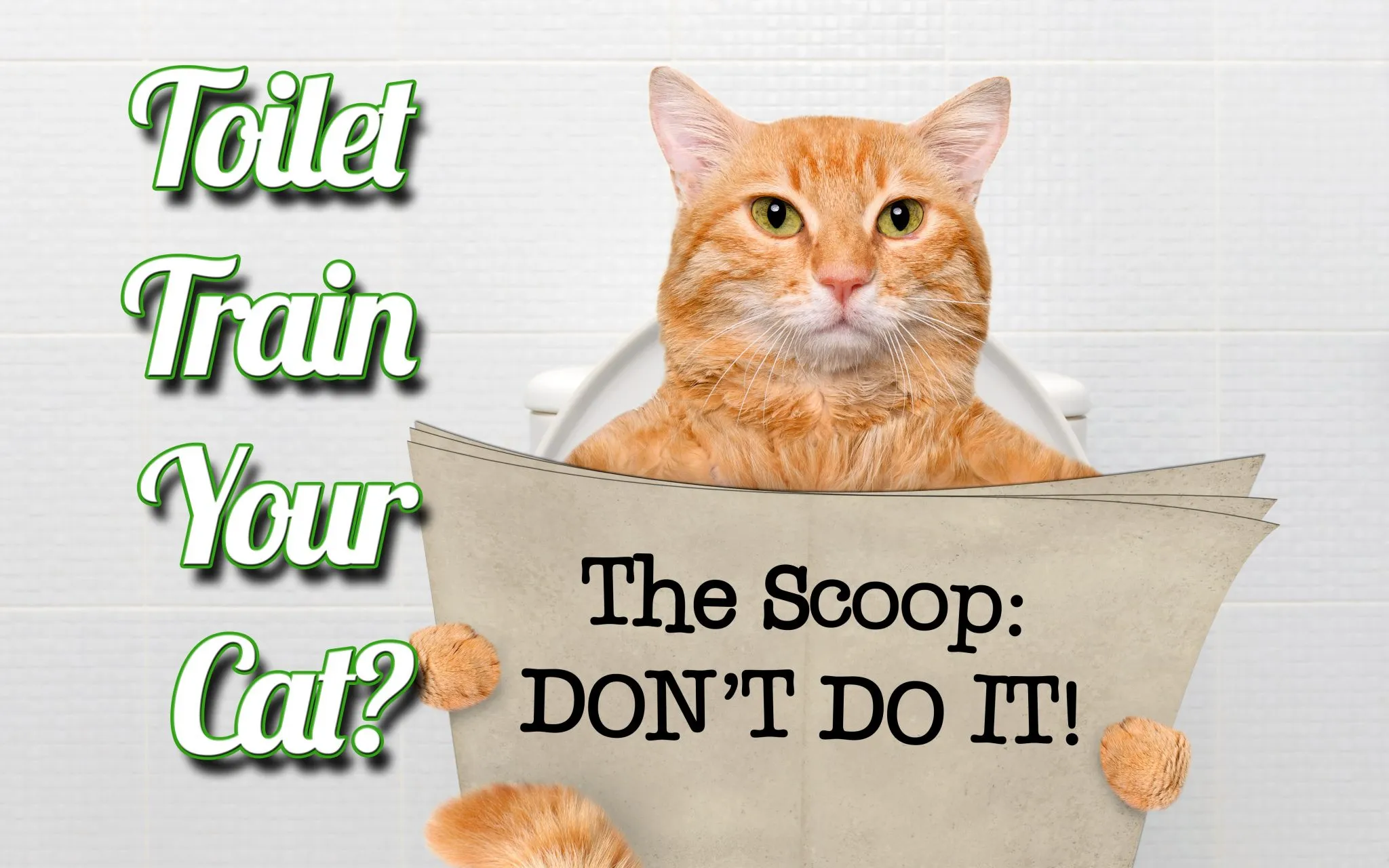
Bringing a new cat into your home is an exciting experience, and many cat owners strive to provide the best possible environment and care for their feline companions. However, some well-intentioned owners are drawn to the idea of toilet training their cats, believing it to be a convenient solution to litter box duty. This article explores why toilet training cats is generally not recommended by experts, focusing on the unnatural behavior it promotes, the health risks involved, and the potential for serious behavioral issues.
The Downsides of Toilet Training Cats
While the allure of a perpetually clean floor and no litter box scooping is understandable, toilet training cats comes with a host of drawbacks that can negatively impact your cat’s well-being and your relationship with them.
Unnatural Behavior and Instincts
Cats have evolved specific behaviors related to waste elimination that are deeply ingrained and serve important purposes. In the wild, cats use urine and feces not only for hygienic reasons but also for territorial marking and communication with other cats. The scent of their waste provides vital information about their presence and social standing. Forcing a cat to use a human toilet deprives them of this natural form of communication and territorial expression. Furthermore, cats possess an innate instinct to scratch and bury their waste. This behavior, rooted in survival instincts to hide their presence from predators and prey, is entirely bypassed when a cat is trained to use a toilet. Suppressing these natural instincts can lead to significant stress and behavioral problems, including inappropriate elimination elsewhere in the home, which is precisely what happened to the cat owner who initially sought advice.
Missing Health Indicators
Litter boxes provide a crucial window into a cat’s health. By monitoring the frequency, volume, and consistency of a cat’s urine and feces, owners can detect early signs of potential health issues. Urinary tract infections (UTIs), for example, are common and can be life-threatening if left untreated. Changes in urination patterns can be the first indication of a UTI or other kidney-related problems. Similarly, alterations in stool consistency can signal digestive issues. When a cat uses a toilet, this vital health monitoring becomes impossible. The visual cues of waste in water are far less informative than observing solid waste in a litter box, potentially delaying crucial veterinary intervention and impacting a cat’s overall health.
Physical Stress and Discomfort
The physical act of using a human toilet poses significant challenges for cats. Toilet seats are often slippery and have a large central opening, making it difficult for cats to maintain balance. They must carefully jump onto the seat, perch precariously with all four paws, and maintain their footing while eliminating. This is especially problematic for older cats who may suffer from joint pain in their hips, legs, and back. Unlike the stable and comfortable substrate of a litter box, the toilet seat offers no firm footing, increasing the risk of slips and falls. A fall into the toilet bowl can be a terrifying and traumatic experience for a cat, leading to a lasting aversion to the toilet.
The Risk of Permanent Aversion
As mentioned, a single negative experience, such as falling into the toilet bowl, can be enough to permanently scare a cat away from using it. This one traumatic event can lead the cat to associate the toilet with fear and danger, prompting them to seek alternative elimination spots. When a cat develops such an aversion, simply reintroducing a litter box may not be sufficient to correct the behavior. The cat may have already developed a habit of eliminating in a specific location, formed a preference for a different substrate, or even caused damage to carpets, flooring, or drywall, making the problem significantly harder and more expensive to resolve.
Finding “Better” Places to Eliminate
If a cat stops using the toilet due to fear, physical discomfort, or general stress, they will inevitably find another place to relieve themselves. Unfortunately, these alternative spots are often inconvenient and undesirable for owners, such as piles of clean laundry, the corner of the living room carpet, or even the owner’s bed. By the time these behaviors are noticed, the cat may have already established a habit or ruined surfaces, leading to a stressed cat and unhappy humans. This entire predicament can be avoided by foregoing the practice of toilet training altogether.
The Recommended Alternative: Litter Boxes
Instead of pursuing the problematic practice of toilet training, it is highly recommended to provide your cat with a properly set up litter box system. This aligns with their natural behaviors, allows for essential health monitoring, and ensures their physical comfort and security. While cleaning a litter box may not be the most enjoyable task, regular scooping makes it manageable and far less unpleasant than dealing with the potential fallout of toilet training. A stress-free cat that reliably uses its litter box is a much more desirable outcome for both the cat and its owner. If you need guidance on creating the ideal litter box setup, resources are available to help you achieve this.
 A cat looking curiously at a toilet bowl
