
The bond between humans and their canine companions is often described as familial, filled with shared moments and close physical contact. However, this closeness can sometimes lead to an unintended exchange of parasites. A common and important question for pet owners is: “Can humans get worms from dogs?” This concern is valid and understanding the transmission pathways is crucial for safeguarding the health of both pets and their human families.
Parasites, including various types of worms, can indeed transfer from animals to humans. Recognizing how this transmission occurs is the first and most critical step in effective prevention.
How Worms Spread from Dogs to Humans
Several pathways exist for parasitic worms to move from dogs to humans. Being aware of these is key to implementing preventative measures.
Contact with Contaminated Soil and Feces
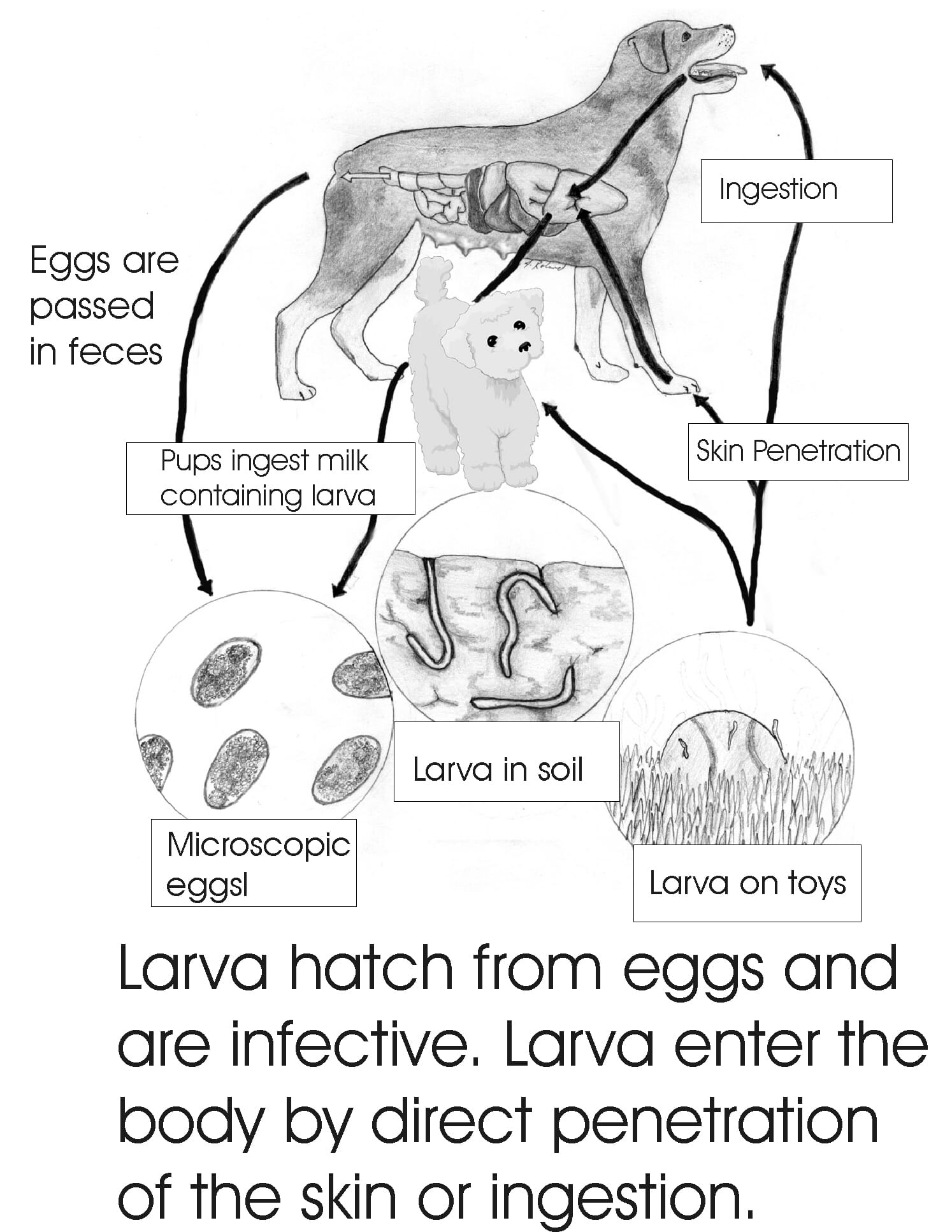
One of the primary ways humans contract worms from dogs is through direct contact with feces or soil contaminated by infected feces. Dog feces can contain worm eggs or larvae. If a person, particularly a child playing outdoors, comes into contact with this contaminated material and subsequently touches their mouth or handles food without proper handwashing, the parasites can be ingested.
Ingestion of Contaminated Food or Water
Worm eggs can contaminate food and water sources. This contamination can happen if water bodies are exposed to infected animal waste or if food comes into contact with contaminated soil. Consuming food or water contaminated with these eggs can lead to an infection in humans.
Common Worms Transmissible from Dogs
Several types of intestinal parasites that infect dogs can also pose a risk to human health. Understanding these common culprits helps in identifying potential risks and symptoms.
- Roundworms (Toxocara canis): These are among the most frequently transmitted worms from dogs to humans. In humans, roundworm larvae can migrate through the body, leading to a condition called visceral larva migrans. This migration can potentially damage internal organs and cause significant health complications.
- Hookworms (Ancylostoma caninum/braziliense): Hookworms can also be transmitted to humans, typically causing cutaneous larva migrans. This condition manifests as itchy, raised, red tracks on the skin as the larvae burrow and move beneath the skin’s surface.
- Tapeworms (Dipylidium caninum): While less common than roundworm or hookworm transmission, humans can contract certain types of tapeworms from dogs. This usually happens indirectly, often through the accidental ingestion of a flea that is infected with tapeworm larvae.
Preventing Worm Transmission
Protecting your family and pets from parasitic worm transmission requires a multi-faceted approach combining good hygiene, consistent pet care, and environmental vigilance.
Consistent Veterinary Care and Deworming
Regular veterinary check-ups are essential for your dog’s health. Your veterinarian can recommend and administer appropriate deworming treatments based on your dog’s age, lifestyle, and local parasite prevalence. Keeping your dog on a consistent deworming schedule is a critical preventive measure. Over the counter heartworm medication for dogs is available, but it’s always best to consult your vet for the most suitable treatment.
Upholding Personal Hygiene Standards
Washing hands thoroughly and frequently is paramount. This is especially important after handling your dog, cleaning up after them, gardening, or any activity that might involve contact with potentially contaminated soil. Educating children about the importance of handwashing after playing with pets or outdoors can significantly reduce the risk of infection.
Maintaining a Clean Environment
Prompt and proper disposal of your dog’s feces is crucial in preventing the spread of worm eggs. Keeping your home and yard clean minimizes the potential for worm eggs to contaminate living spaces and the environment. Regularly cleaning your dog’s bedding and toys also contributes to a healthier environment. Consider flea and worm treatment for dogs monthly to maintain consistent protection.
When to Seek Professional Veterinary Advice
If you observe any signs that your dog may be infected with worms, it is imperative to consult a veterinarian promptly. Common symptoms of worm infestation in dogs can include the presence of visible worms in their stool, unexplained weight loss, a distended or bloated abdomen, lethargy, or noticeable changes in appetite. Early detection and treatment are vital for your pet’s well-being. Understanding can people get heart worms from dogs is also part of responsible pet ownership.
Protecting your family’s health is intrinsically linked to safeguarding your pet’s health. If you have any concerns regarding your dog’s health or suspect a worm infestation, seeking expert advice from a veterinarian is the best course of action. Utilizing best flea and worm treatment for dogs can be part of a comprehensive prevention strategy.
