
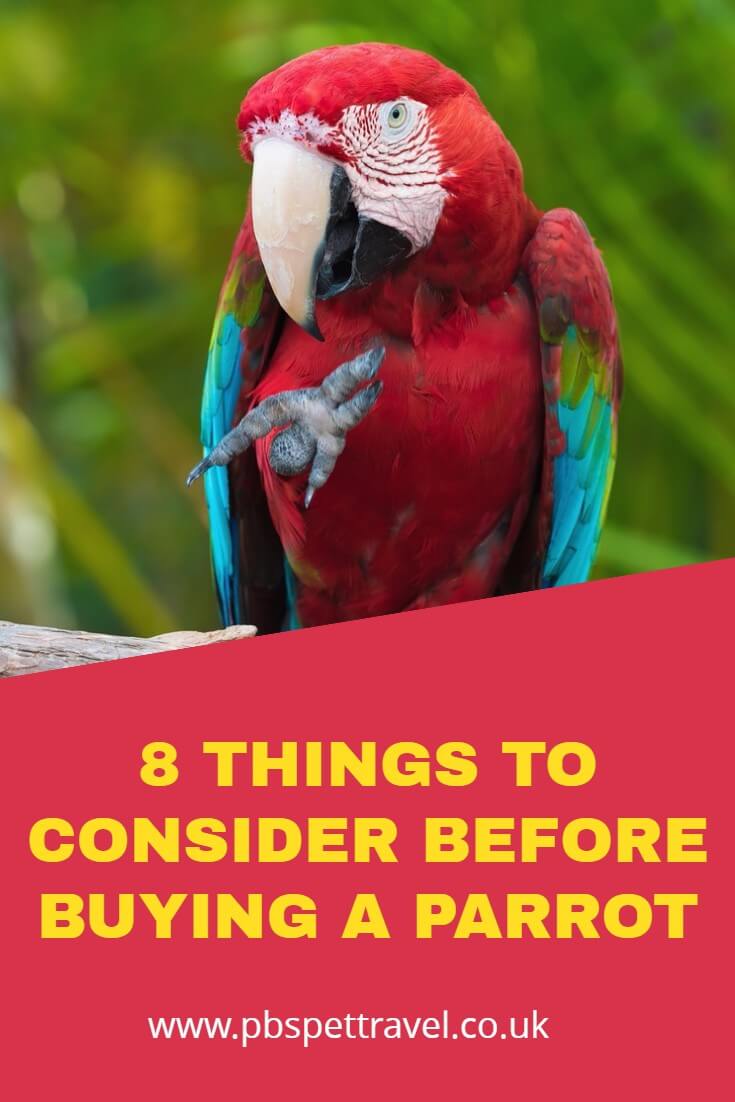
Bringing a parrot into your home can be an incredibly rewarding experience, but it’s crucial to approach this decision with careful consideration. Parrots are not typical pets; they are highly intelligent, demanding, and long-lived creatures that require a significant commitment from their owners. This guide, drawing on the expertise of a veterinary surgeon specializing in avian care, aims to help prospective owners make informed choices and avoid common pitfalls.
When you’re thinking about buying a parrot, it’s essential to assess your own lifestyle and what you truly desire from a pet. Are you looking for a single, companionable bird to share your life with, one that can offer endless entertainment with its antics and vocalizations? Or perhaps you envision a collection of parrots in indoor cages or aviaries, a vibrant display that keeps each other company and potentially breeds. It’s vital to avoid choosing a pet solely based on aesthetics or matching your home decor. One gentleman’s extensive search for a stylish cage before even considering the bird highlights a common, yet misguided, approach to pet acquisition.
For those aspiring to breed parrots, the journey often begins with smaller species. Enthusiasts who have successfully raised and managed budgerigars, cockatiels, and grass parakeets are generally better equipped to handle the challenges of larger parrots. Aviculture, particularly involving incubation and hand-rearing, presents numerous learning opportunities, and mistakes made with larger, more expensive birds can be financially devastating. Gaining experience with more affordable species allows for a gentler learning curve. This advice isn’t intended to diminish the achievements of experienced keepers, but rather to advocate for a sensible progression in avian husbandry.
Your environment and lifestyle play a pivotal role in parrot ownership. All birds need ample space to move and stretch their wings; larger birds require larger enclosures, and multiple birds necessitate more living area. This seemingly obvious point is often overlooked. If you plan to allow your pet bird supervised time outside its cage, consider potential hazards like other pets, open flames, young children, poisonous houseplants, cooking appliances, and open doors or windows. Conversely, be prepared for the damage a bird can inflict on your home, from chewing woodwork and wallpaper to toppling ornaments.
Noise is another significant factor, especially with larger parrot species like Amazons and Cockatoos. Their vocalizations, often occurring at dawn and dusk, can be a source of joy for bird lovers but a significant strain on neighborly relations, particularly in close-living situations. The choice of bird should align with your living arrangements. Be prepared for your indoor bird to join in with household noises, such as vacuum cleaners or television programs.
Parrots are exceptionally intelligent and require substantial mental and physical stimulation. Evaluate the amount of time you can dedicate to your bird. A single, tame pet thrives on human interaction and may be better suited to a busy household than a solitary existence with an owner who works long hours. If a bird is left alone, provide safe toys like papier-mâché egg cartons or wooden blocks, and consider leaving a radio on. For owners who are frequently away, a pair or trio of birds can offer companionship. Conversely, managing multiple breeding aviaries demands considerable time for feeding and daily care, including arranging for coverage during holidays or illness.
The financial commitment associated with parrot keeping is substantial. Beyond the initial purchase price of the bird, significant funds are required for appropriate food, housing, and accessories. Some individuals are willing to spend generously on a bird but hesitate to invest in a suitable cage or even a padlock for an aviary. The cost of parrots has risen considerably due to the cessation of legal importation and increased popularity, making them a significant investment. Housing and maintaining several parrots can easily amount to thousands of pounds.
Before making a purchase, thorough research and consultation with experienced bird keepers are essential. Numerous books offer valuable insights into bird keeping, with some species having dedicated publications. Learning from others’ experiences can help you avoid common mistakes. Impulsive purchases, such as buying a parrot simply because you see one in a pet shop window, are strongly discouraged. Those truly dedicated to responsible pet ownership will likely seek out this information proactively.
While specific breed recommendations can be subjective, English-bred, hand-reared birds are often suggested for those seeking a single, tame companion. These birds are typically well-adjusted to local climates and generally healthy. However, be mindful of potential dietary issues during rearing that can lead to liver and kidney damage if incorrect mixes are used. African Grey parrots are renowned for their talking abilities, while young Amazon parrots can also be excellent talkers and highly entertaining. Cockatoos, especially when hand-reared, demand significant human attention and can develop behavioral issues if their needs are unmet. Larger Cockatoo species, such as Umbrella and Moluccan, are also exceptionally noisy. For breeding purposes, older, healthy stock is generally recommended.
When it comes time to acquire your parrot, options include obtaining a bird from a friend, a breeder, through advertisements, or from a pet shop. If a knowledgeable friend can provide a bird from their own established flock, you gain the advantage of knowing its upbringing, diet, and housing, minimizing the risk of stress from a sudden change in husbandry. Such a connection also offers ongoing support and advice.
Personal or commercial advertisements in avian publications can be excellent sources for finding specific birds. Alternatively, local pet shops may have suitable candidates or can source your chosen species. It is crucial to engage with the vendor and discuss the bird’s requirements. Be cautious of pet shops with limited avian knowledge; seek out staff who are experienced bird keepers themselves, as their advice will be grounded in practical experience.
A reputable shop will not only display prices but also provide information on scientific and common names, natural habitat, and dietary needs. Some even detail the advantages and disadvantages of each bird, indicating which are “messy feeders,” “extremely destructive,” or “very noisy.” Such vendors demonstrate a genuine concern for the welfare of their animals and strive to match birds with suitable owners.
If you are responding to an advertisement from a distant supplier, it is highly advisable to visit the bird before purchasing and to arrange for its transport home. Shipping birds, especially long distances, can be highly stressful for them and may result in receiving an animal that does not meet your expectations.
A reputable supplier should offer a money-back or exchange policy for a reasonable period post-purchase. This allows for situations where the bird proves unsuitable for your needs or develops signs of illness shortly after arrival. Even outwardly healthy birds can harbor organisms that may proliferate and cause disease when the bird is stressed by a change in environment or routine. Many retailers now facilitate veterinary checks within a specified timeframe to identify any potential underlying health issues.
By carefully considering these factors, you can select the right bird(s) for your household and find a supportive, knowledgeable supplier. While mature, established birds are generally healthy, it is wise to establish contact with an experienced avian veterinarian before any problems arise, as birds require prompt attention when ill.
Enjoy your new avian companion and embark on a potentially lifelong and fulfilling hobby.
References:
- A.K. Jones. (n.d.). Thinking of Buying a Parrot? The Parrot Society UK.
- Scott, C. (n.d.). A Complete Beginner’s Guide. The Parrot Society UK.
- The Parrot Society UK. (n.d.). Suggested Parrots for Pets.
- The Parrot Society UK. (n.d.). Buyers Beware – Caveat Emptor.
- The Parrot Society UK. (n.d.). Parrot Nutrition.
- The Parrot Society UK. (n.d.). Privacy Policy.
