
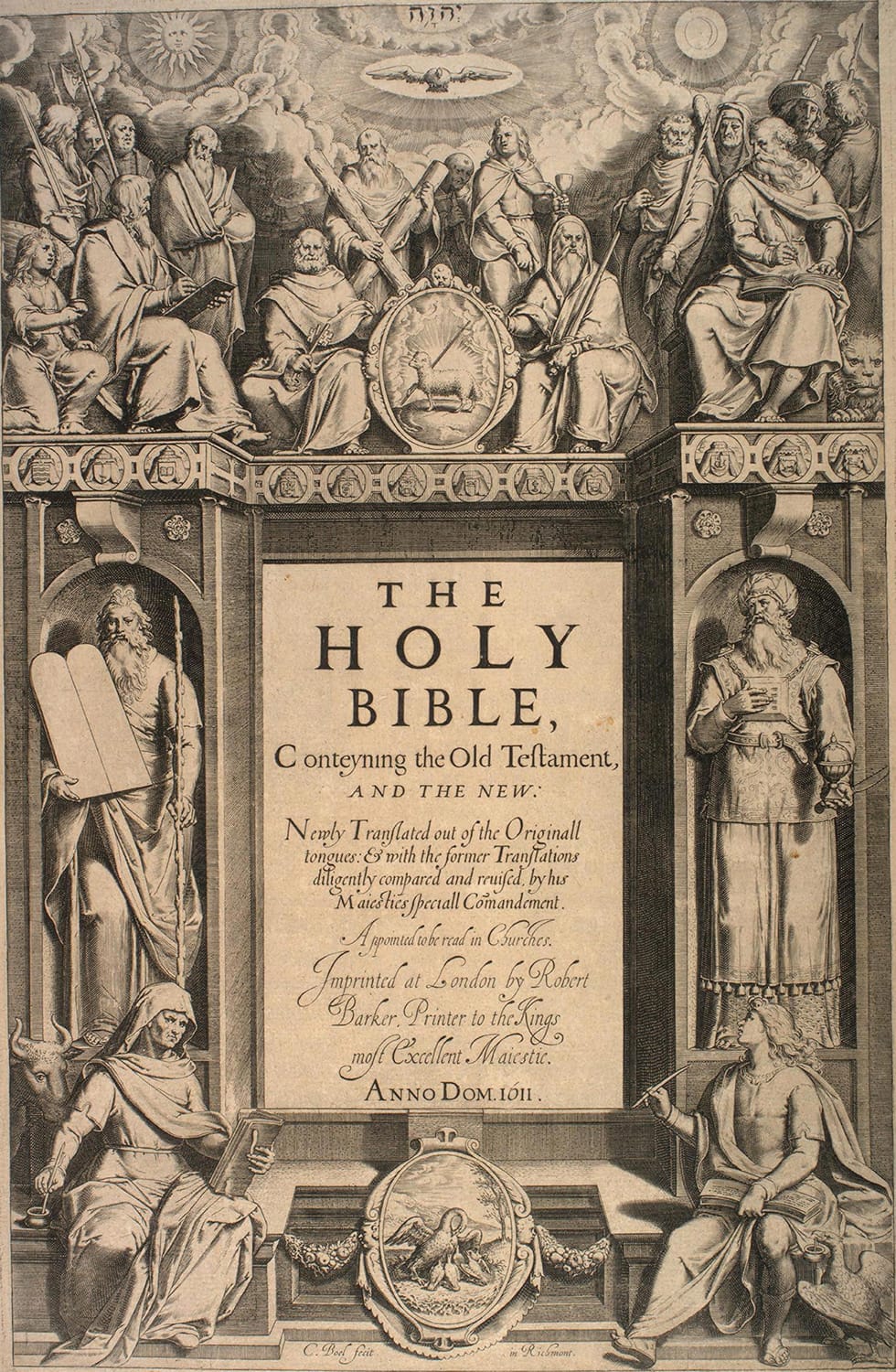
The question of whether the Bible prohibits the buying and selling of dogs is a fascinating one, stemming from a family anecdote and leading to a deeper exploration of ancient texts and translation. While the King James Version of Deuteronomy 23:18 states, “Thou shalt not bring the hire of a whore, or the price of a dog, into the house of the LORD thy God for any vow,” the interpretation and application of this verse are far from straightforward. This verse, when examined closely, reveals complexities in translation, cultural context, and the very nature of biblical interpretation.
Unpacking the Verse: Translation and Context
Deuteronomy 23:18 is often cited in discussions about biblical prohibitions. However, a closer look at various translations, including the New American Standard, New Revised Standard, and Common English translations, shows a consistent theme: not bringing the “hire of a harlot” or the “price/wages of a dog” into the house of the Lord. This has led some, like the author’s great-grandfather, to believe that buying or selling dogs is forbidden by the Bible.
The initial reaction might be to dismiss the idea, given that dogs were often viewed negatively in biblical times—associated with scavenging and considered unclean animals. They appear in negative contexts, such as the prophecy of Jezebel’s gruesome end. Even Jesus uses the term “dog” metaphorically to insult someone. The author initially questioned who would be buying or selling such animals, suggesting the verse might be an outright ban due to their scavenger status.
The Hebrew Text and Semantic Nuances
A significant point of confusion arises when examining the original Hebrew. The author discovered that the verse, as numbered in Hebrew, initially appears to state, “Bring the wages of a whore and the price of a dog into the house of the Lord.” This lack of a “not” led to a humorous, albeit brief, moment of joy, contemplating that perhaps detestable things should be brought into God’s house. However, upon further investigation, the “not” is found as the last word of the preceding verse, indicating a potential issue with verse division in some numbering systems.
When focusing on the Hebrew word for “dog,” keleb, its meaning extends beyond the literal. Lexicons suggest it can also figuratively mean “a faithful servant of a superior or a deity,” or even “a male cult prostitute.” In the context of Deuteronomy 23, these figurative meanings make more sense, especially when considering that wages earned in the service of other deities would indeed be an abomination to the Lord. This understanding aligns with the later translations that interpret the verse as prohibiting the bringing of such earnings into the temple.
Lessons Learned from the Text
This linguistic and translational journey offers several valuable lessons for anyone engaging with biblical texts:
- Translation is Complex: Translators constantly make decisions between literal and figurative meanings, and idioms or metaphors can be challenging to convey accurately across languages. These are not necessarily attempts to mislead but rather the inherent difficulties of linguistic transfer.
- Compare Translations: Reading a verse in multiple translations is a sound practice, especially if a particular phrasing seems unusual or out of place. It can provide a more comprehensive understanding.
- Beware of Literalism and Reckless Figurative Interpretation: Taking the Bible too literally or too figuratively without careful consideration can lead to misinterpretations. This is highlighted by modern-day arguments that misapply biblical texts to contemporary issues.
- Context is Key: The verse’s context within Deuteronomy 23, which discusses various workers and prohibitions, is crucial. The focus seems to be on earnings derived from dishonorable or idolatrous practices, rather than a specific prohibition on the animal itself.
- Listen to Family Stories: Even seemingly eccentric family anecdotes can lead to profound explorations and learning opportunities.
Conclusion: Buying and Selling Dogs Today
Ultimately, the verse in Deuteronomy 23:18 is not a straightforward prohibition against buying or selling dogs in the modern sense. Instead, it likely addresses the practice of using earnings from certain occupations, possibly including those associated with cultic prostitution or services to foreign deities, for vows or temple offerings. The word keleb, with its potential figurative meanings, plays a significant role in this interpretation.
Therefore, the author concludes that one can, and should, buy and sell dogs, and indeed, love them. The verse serves as a reminder to consider the source of our earnings and to ensure they are not tainted by practices that dishonor God. It also encourages a welcoming attitude towards all members of society, a point subtly underscored by the verse’s focus on what is not explicitly banned. The exploration of family lore, like the insistence against playing cards indoors, continues to promise further intriguing insights.
