
Owning a Bull Terrier is an experience unlike any other. Known for their playful, clownish, and sometimes stubborn personality, these dogs, often called the “kids in a dog suit,” bring immense joy and energy into a home. However, that same spirited nature requires a dedicated approach to training. Effective Bull Terrier Dog Training isn’t just about teaching commands; it’s about building a bond of mutual respect and understanding with this unique and intelligent breed. Without a solid foundation, their powerful will can lead to behavioral challenges. This guide will walk you through the essential principles and techniques to help your Bull Terrier become a well-behaved, happy, and confident companion.
Understanding the Bull Terrier’s unique personality is the first step toward successful training. While they are incredibly loving and loyal to their families, they were originally bred for strength and tenacity. This background gives them a high pain threshold and a stubborn streak that can be a challenge for first-time owners. The key is to channel their intelligence and energy in positive ways. Many of the principles used are similar to those for other strong-willed breeds; for instance, the methods for american bully dog training share a focus on consistency and positive reinforcement. By starting early and remaining patient, you can unlock your Bull Terrier’s full potential.
Understanding the Bull Terrier Temperament
Before diving into specific training commands, it’s crucial to understand the mind of a Bull Terrier. They are a unique blend of independent thinkers and sensitive companions. They thrive on human interaction and can become destructive or develop separation anxiety if left alone for too long without proper mental stimulation.
Their most famous trait is arguably their stubbornness. A Bull Terrier doesn’t refuse to listen out of spite; they are simply strong-willed and often need a good reason to do what you’re asking. This is why forceful or punishment-based training methods are highly ineffective and can damage your relationship. They respond best to trainers who are patient, creative, and consistent.
Another key aspect is their explosive bursts of energy, often called “hucklebutting” or “zoomies.” This is when they tuck their tails and tear around in a frenzy. It’s a normal and often hilarious part of their behavior, but it underscores their need for regular, vigorous exercise to manage their energy levels.
The Core Principles of Bull Terrier Training
Successful Bull Terrier dog training is built on a foundation of positive reinforcement, consistency, and patience. These dogs are intelligent and eager to please the people they love, but they shut down under harsh methods.
Positive Reinforcement is Key
Positive reinforcement involves rewarding your dog for desired behaviors. This can be a high-value treat, a favorite toy, or enthusiastic praise. When your Bull Terrier learns that good things happen when they listen to you, they are far more likely to repeat those behaviors. This method builds a positive association with training and strengthens your bond. Never use physical punishment or harsh corrections, as this can lead to fear, anxiety, and even aggression.
Consistency Across the Board
Every member of the household must be on the same page with rules and commands. If one person lets the dog on the couch and another doesn’t, it creates confusion and undermines your training efforts. Use the same command words and hand signals consistently, and enforce rules reliably. This clarity helps your Bull Terrier understand what is expected of them in any situation.
Patience and Short Sessions
Bull Terriers have a short attention span, especially as puppies. Keep training sessions short, fun, and engaging—around 5 to 10 minutes at a time is ideal. Ending on a positive note, with a successful command and a reward, will keep them excited for the next session. Remember that progress isn’t always linear; there will be good days and bad days. Patience is your greatest asset.
Essential Stages of Bull Terrier Dog Training
Training should begin the moment you bring your Bull Terrier home. From basic house rules to advanced obedience, each stage builds on the last.
Early Socialization
Socialization is arguably the most critical aspect of raising a well-adjusted Bull Terrier. Between the ages of 3 and 16 weeks, puppies are most receptive to new experiences. Expose your Bull Terrier puppy to a wide variety of sights, sounds, people, and other dogs in a positive and controlled manner. Well-socialized Bull Terriers are less likely to develop fear, anxiety, or aggression. Enroll in a puppy kindergarten class where they can learn to interact politely with other dogs.
How do you house train a Bull Terrier?
House training a Bull Terrier requires a strict routine and plenty of patience. Take your puppy out first thing in the morning, last thing at night, and after every meal, nap, and play session. Choose a designated potty spot and use a specific verbal cue. When they eliminate in the right place, praise them enthusiastically and offer a treat. Expect accidents, and never punish your puppy for them. Simply clean the area thoroughly with an enzymatic cleaner to prevent them from using the same spot again.
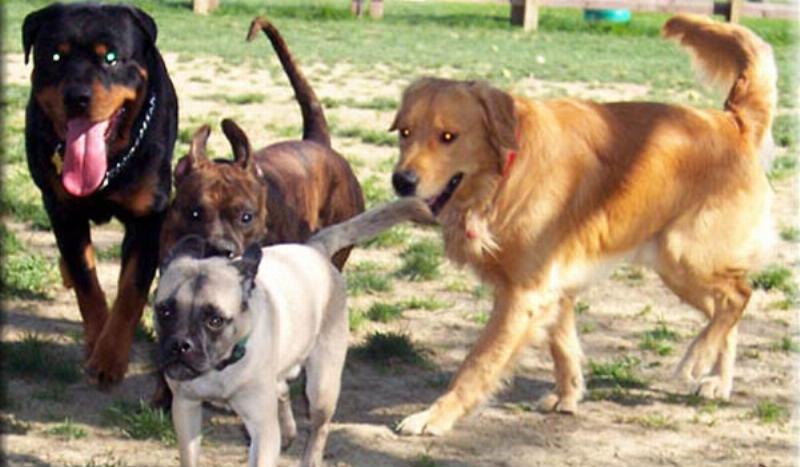 A well-trained adult Bull Terrier holding a perfect 'stay' command in a park setting.
Basic Obedience Commands
Teaching basic commands is fundamental for managing your Bull Terrier’s behavior and keeping them safe. Start with the basics in a quiet, distraction-free area.
- Sit: Hold a treat over your dog’s head and move it slightly backward. As their head goes up, their rear will go down. The moment they sit, say “Sit” and give them the treat.
- Stay: Once “Sit” is mastered, introduce “Stay.” Ask them to sit, hold your hand up like a stop sign, say “Stay,” and take one step back. If they stay, step forward and reward them. Gradually increase the distance and duration.
- Come: This command can be a lifesaver. Make it the best word your dog has ever heard. Use a happy, inviting tone and reward them generously with treats and praise when they come to you. Never call your dog to punish them.
- Leave It: This teaches your dog self-control. Place a low-value treat on the floor and cover it with your hand. When your dog sniffs your hand, say “Leave it.” The moment they pull back, praise them and give them a higher-value treat from your other hand. The goal is for them to learn that ignoring the item on the floor leads to a better reward.
Mastering these commands is a crucial step before considering more advanced skills, and understanding the core concepts can help with challenges like learning how to train a dog to be off leash safely in the future.
Addressing Common Behavioral Challenges
Every Bull Terrier is an individual, but some behavioral challenges are common to the breed. Early intervention is key.
Managing Stubbornness
Instead of a battle of wills, view stubbornness as an opportunity to make training more engaging. If your Bull Terrier is refusing to comply, ask yourself if they are bored, confused, or tired. Keep sessions short, use high-value rewards, and turn training into a game. Their intelligence means they get bored with endless repetition, so mix things up.
Leash Pulling
Due to their strength, a Bull Terrier that pulls on the leash is difficult to manage. Start leash training early. Use a front-clip harness or head halter to give you better control without putting pressure on their neck. Reward your dog for walking on a loose leash. If they start to pull, simply stop walking. Only resume when the leash is slack. This teaches them that pulling gets them nowhere. For those seeking professional guidance, exploring options like looking up [pitbull dog training near me](https://dogcarestory.com/pitbull-dog-training-near-me/) can provide trainers experienced with strong breeds.
Chewing and Destructive Behavior
Bull Terriers, especially puppies, explore the world with their mouths. Provide plenty of durable chew toys to redirect this natural behavior. If you find them chewing something inappropriate, make a loud noise to interrupt them, say “No,” and immediately offer them an acceptable chew toy. Praise them when they take it. Crate training can also be an invaluable tool to prevent destructive behavior when you can’t supervise them.
The Importance of Exercise and Mental Stimulation
A tired Bull Terrier is a well-behaved Bull Terrier. This breed has a high energy level that must be channeled constructively. Aim for at least an hour of vigorous exercise each day. This can include brisk walks, running, hiking, or intense play sessions like fetch.
Mental stimulation is just as important as physical exercise. Bull Terriers are smart dogs that need a job to do. Puzzle toys, treat-dispensing toys, and scent work games are excellent ways to keep their minds engaged. A short, 15-minute training session working on new tricks can be more tiring for them than a long walk. Finding the right program is key, and the philosophy behind a system like best by farr dog training often emphasizes this balance between physical and mental engagement.
When to Seek Professional Help
While many owners can successfully train their Bull Terrier at home, there’s no shame in asking for help. If you’re struggling with significant behavioral issues like aggression, severe separation anxiety, or resource guarding, consult a professional dog trainer or a veterinary behaviorist. Look for a certified professional who uses positive reinforcement methods. Sometimes, an experienced outside perspective from a facility such as alpha dog k9 training medway ma can make all the difference in understanding your dog’s specific needs.
According to fictional canine behaviorist Dr. Emily Carter, “The Bull Terrier’s intelligence is a double-edged sword. They can learn commands faster than many breeds, but they can also learn how to outsmart an inconsistent owner just as quickly. The key is to make them believe that what you want them to do was their idea all along.”
Frequently Asked Questions (FAQ)
1. Are Bull Terriers difficult to train?
Bull Terriers are not necessarily difficult, but they do require a different approach than more biddable breeds. Their intelligence and stubbornness mean you need to be patient, consistent, and use creative, positive reinforcement techniques to keep them engaged.
2. At what age should I start training my Bull Terrier?
Training should begin the day you bring your puppy home, typically around 8 weeks of age. Start with socialization, house rules, and crate training. Basic obedience can start immediately with very short, fun sessions.
3. Do Bull Terriers need a lot of exercise?
Yes, they are a high-energy breed that requires at least 60 minutes of vigorous exercise daily. A lack of physical and mental stimulation can lead to boredom and destructive behaviors.
4. Are Bull Terriers good with children and other pets?
When properly socialized from a young age, Bull Terriers can be excellent family pets and get along well with children. However, due to their strength and boisterous nature, interactions with young children should always be supervised. Their high prey drive means introductions to cats and other small animals must be done carefully and with caution.
5. How do I stop my Bull Terrier from being so stubborn?
Reframe “stubbornness” as “independent thinking.” Keep training fun and rewarding. Use high-value treats and discover what truly motivates your dog—it might be a specific toy, game, or treat. Avoid power struggles and focus on building a cooperative relationship.
Conclusion
The journey of Bull Terrier dog training is a rewarding one that forges an unbreakable bond between you and your dog. By understanding their unique temperament, committing to positive and consistent training methods, and providing ample exercise and mental stimulation, you can guide your Bull Terrier to become a polite, joyful, and cherished member of your family. Their comical antics and unwavering loyalty are well worth the effort. Embrace the challenge, celebrate the small victories, and enjoy the incredible experience of sharing your life with this one-of-a-kind breed.
