
For companion parrots, the topic of seed in their diet is often met with apprehension. However, understanding its role and serving it responsibly is key to a healthy avian lifestyle. While often vilified, seed, when offered in moderation, provides numerous health benefits essential for parrots.
The largest portion of a parrot’s diet should consist of fresh produce and high-quality pellets. Seed intake should ideally be limited to around 10% of their total diet, with a maximum of 20%. If you choose to free-feed seeds, it’s advisable to remove the food bowl overnight. This ensures your parrot has an appetite for healthier options like vegetables in the morning. Alternatively, you can limit seed access by providing only what your bird can consume in a late morning or early afternoon meal, carefully measuring the amount offered and what remains. It’s crucial that seeds never interfere with the intake of other vital meals.
We recommend that only the smallest parrot species be allowed regular access to seeds. This is primarily due to their size and the environments they typically inhabit. Smaller parrots generally have more spacious cages and living areas, which facilitates greater physical activity and calorie expenditure. Larger parrots, while capable of crossing a room in a few wing beats, may not have the same opportunity to burn off the excess calories from a seed-heavy diet.
This recipe is intentionally basic, focusing on nutrient-dense seeds and grains suitable for smaller parrots.
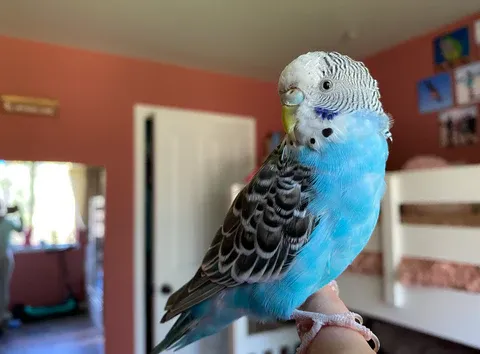 Blueberry the Budgie
Blueberry’s Seed Mix Recipe
- 1/2 lb millet
- 1/2 lb quinoa
- 1 cup oat groats
- 1 cup hemp seed
- 1/2 cup whole brown flax seed
- 1 cup chia seed
- 1/2 cup rape seed
- 1 cup rolled oats
A quality seed mix should contain only seeds and grains. Many commercial mixes unfortunately include ingredients with little to no nutritional value, often serving as cheap fillers that increase weight and price without benefit. By creating your own mix, you have complete control over the quality and freshness of the ingredients.
The seeds and grains selected for Blueberry’s Seed Mix are specifically chosen for their suitability for budgies, lovebirds, and parrotlets, ensuring they are not too large or hard for these small birds to consume.
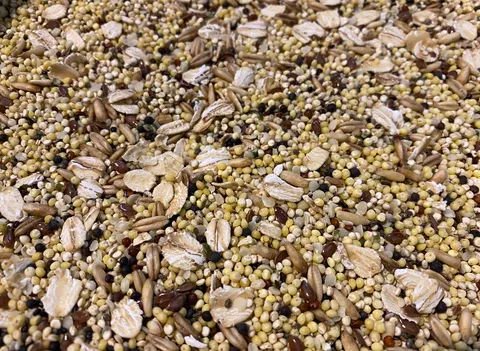 Home made seed mix
Nutritional Highlights of Seeds
Most seeds share similar nutritional profiles, offering excellent fiber and varying amounts of essential nutrients like calcium, vitamin E, and omega-3 fatty acids. While some seeds may be richer in potassium, magnesium, or protein, offering a variety allows your bird to choose seeds they prefer while still benefiting from a good mix of nutrients.
- Fiber: Crucial for maintaining digestive health, regulating cholesterol and blood sugar levels, and supporting a healthy body weight.
- Magnesium: Essential for numerous bodily functions, including lowering blood pressure, regulating gene expression, muscle and nervous system function, energy conversion, reducing inflammation, and supporting brain function and mental health. Seeds are a significant source of magnesium.
- Potassium: Plays a vital role in regulating fluid balance, muscle contractions (including the heart), and protecting against strokes.
- Vitamin E: Acts as a potent antioxidant, boosts the immune system, and is critical for brain function. For parrots, vitamin E is particularly important for maintaining healthy skin and feathers.
- Omega-3s: Highly beneficial for preventing heart disease, protecting joints, and promoting healthy skin and feathers.
- Calcium: Essential for strong bones, healthy muscles and heart function. For parrots, calcium is especially important for egg production, as a deficiency can lead to calcium being drawn from the bones to form eggshells.
- Protein: Contributes to increased bone and muscle mass, boosts metabolism, helps lower blood pressure, and aids in the body’s repair from injury.
In conclusion, while seeds should not form the bulk of a parrot’s diet, they offer valuable nutritional benefits when served responsibly as part of a balanced feeding plan. By understanding these benefits and carefully selecting ingredients, you can create a seed mix that contributes positively to your parrot’s overall health and well-being. For more insights into avian nutrition and care, explore our comprehensive resources on petsmart bird cage and understanding cockatiel price.
