
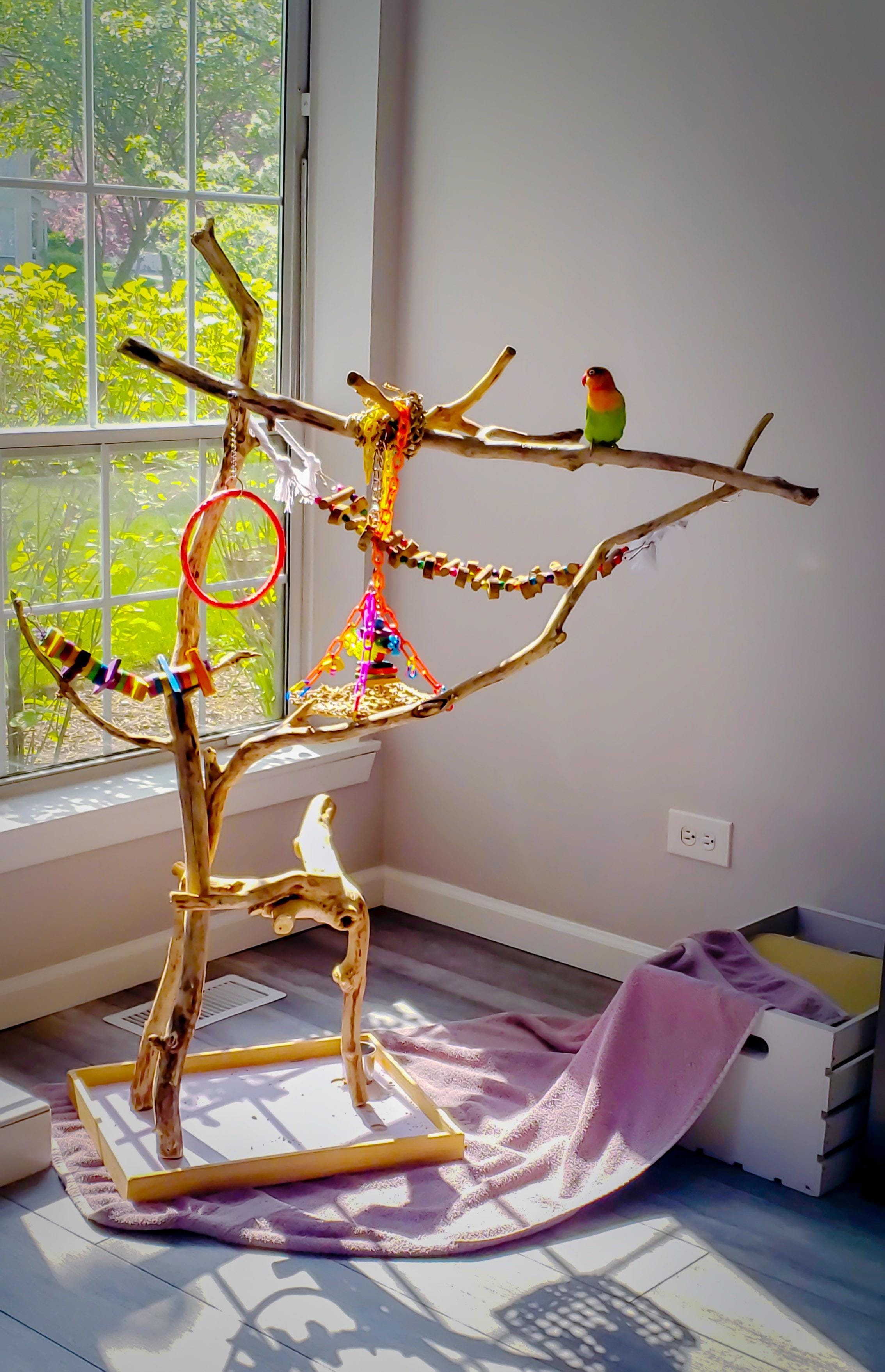
Creating custom perches for your pet birds is a rewarding and practical endeavor that allows you to tailor their environment to their specific needs. Regularly replacing and cleaning perches is crucial for maintaining a hygienic cage, and having a good stock of spares ensures a seamless transition. This guide will walk you through the process of making your own perches using readily available materials, focusing on durability and bird safety.
The Importance of Quality Perches
Birds spend a significant amount of time perched, making the quality and variety of their perches essential for their physical health and well-being. Ill-fitting or worn-out perches can lead to foot problems, while soiled perches can harbor bacteria. By crafting your own perches, you can ensure they are the right size, made from safe materials, and can be easily swapped out for cleaning. This proactive approach helps prevent potential health issues and keeps your bird’s living space clean and engaging.
Sourcing Your Materials
The key to durable and safe DIY perches lies in the hardware you choose. Stainless steel is highly recommended for its corrosion resistance and ease of cleaning, making it a superior choice for bird cages compared to other metals that may rust or chip.
Hanger Bolts: The Foundation of Your Perch
When searching for the necessary components, “hanger bolts” are a significant term to use. These specialized bolts are ideal for this project because they feature dual threads: one end is designed for wood, and the other is threaded for nuts and washers. This dual functionality allows you to securely attach a natural branch to a sturdy base. Look for stainless steel hanger bolts, as they offer the best longevity and hygiene. You can find these at various online retailers and specialty hardware stores. When selecting hanger bolts, consider the diameter and length that will best suit the branches you intend to use and the size of your bird. It’s often economical to purchase these in multi-packs, as you’ll likely find uses for extras over time, and bulk pricing can reduce the cost per unit.
Washers and Nuts for Secure Fastening
In addition to hanger bolts, you will also need stainless steel washers and nuts (or wingnuts for easier removal). These components work with the hanger bolt to create a secure attachment. Washers distribute the pressure from the nut over a larger area, preventing damage to the branch, while nuts effectively hold everything in place. Like hanger bolts, it’s advisable to buy these in quantities that exceed your immediate needs, as small hardware pieces can sometimes go missing.
Crafting Your Perches
Once you have gathered your stainless steel hanger bolts, washers, and nuts, you are ready to begin crafting your custom perches.
Selecting and Preparing Branches
The most crucial element of your DIY perch is the branch itself. Opt for natural branches from safe, non-toxic trees. Hardwood branches are generally more durable. Before using them, ensure they are thoroughly cleaned and dried. You can scrub them with a bird-safe disinfectant, such as F-10, and allow them to air dry completely. Trim the branches to the desired length, keeping in mind the size of your bird’s cage and the comfortable reach for your bird.
Assembling the Perch
- Attach the Hanger Bolt: Screw the wood-threaded end of the stainless steel hanger bolt into the thicker end of your prepared branch. Ensure it is screwed in securely, but avoid over-tightening, which could split the wood.
- Add Washer and Nut: Slide a stainless steel washer onto the threaded end of the bolt that now extends from the branch. Follow this with a stainless steel nut or wingnut.
- Secure the Perch: Tighten the nut firmly against the washer. If using wingnuts, you can often tighten them sufficiently by hand, making future replacements easier. The goal is to create a stable perch that won’t wobble or come loose.
Integrating New Perches into the Cage
When introducing new perches, birds can sometimes be sensitive to changes in their environment. By immediately replacing a soiled perch with a clean, dry one, you help your birds become accustomed to variations in their cage furniture. Placing the new perch in the exact same position as the old one can also ease the transition. This practice not only maintains hygiene but also prevents stress for your bird.
Conclusion
Creating your own bird perches using stainless steel hardware and natural branches is a practical and cost-effective way to enhance your bird’s living environment. By prioritizing safe materials and proper assembly, you can provide your avian companions with comfortable, hygienic, and stimulating perches that contribute to their overall health and happiness. Remember to regularly inspect and replace perches as needed, ensuring a safe and enriching habitat for your beloved birds.
