
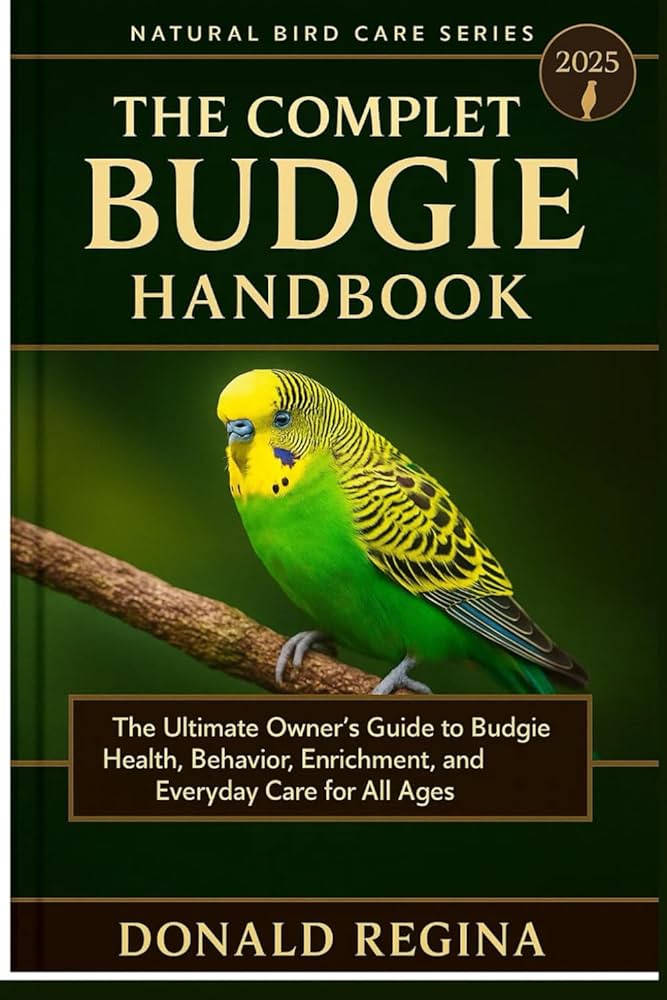
Bringing a budgie into your home is an exciting experience, and understanding their unique behaviors is key to building a strong bond with your feathered friend. Budgies exhibit a range of actions that communicate their mood, health, and social needs. This guide delves into the common behaviors of budgies, from wing stretching to chewing, offering insights into what your pet might be trying to tell you.
Budgie Wing Stretching and Exercise
Like many animals, budgies need to stretch their bodies, especially after periods of rest. This common behavior involves stretching one wing and leg on one side of their body, followed by the other. They may then raise both wings simultaneously. This is a silent, natural way for them to get blood flowing to their muscles and should not be mistaken for aggressive displays. Budgies also require significant wing exercise. If they are not housed in a spacious aviary, it’s crucial to allow them supervised free flight in a room outside their cage. Beyond flapping, budgies are also natural climbers, engaging in “gymnastics” by ascending the sides and roof of their cage or by interacting with hanging toys.
The Fascinating World of Budgie Head Bobbing
Head bobbing is a particularly entertaining behavior, often seen in male budgies. This involves a rapid, fluid up-and-down motion of the neck, frequently accompanied by chattering. For males, head bobbing can be part of their courtship display, potentially leading to mutual feeding and mating if the behavior progresses naturally. However, pet budgies may head bob at various times, often indicating happiness and excitement. Outgoing birds tend to head bob more frequently than their shyer counterparts. While less common, females can also exhibit this behavior. A budgie might head bob at another bird, a human, a mirror, a favorite toy, or even food. This behavior can become a ritual, sometimes part of a “song and dance.”
Baby budgies also head bob, signaling hunger. Even after weaning, young birds may continue to head bob towards their parents for food, often accompanied by “feed me!” chirps. As they mature, they learn to compete for food with adult birds. Tame budgies may learn to head bob to gain your attention, and while their exact thoughts are a mystery, head bobbing is a strong indicator that the budgie is feeling good.
Exploring Budgie Play and Toys
Budgies are naturally curious and will thoroughly investigate any new object introduced into their cage. Some birds are more timid and may take time to approach a new toy, while others are more adventurous. Typically, a budgie will explore a toy for a day or two before losing interest. Therefore, rotating toys is essential to keep your budgie engaged. Toys that hang, move, or make noise, such as feathered squirrels or bells, provide excellent exercise and amusement. Rolling toys, like ping-pong balls, are also popular, with many budgies enjoying nudging them along the cage floor with their beaks. Toys with reflective surfaces can sometimes elicit a mating response, especially in solitary birds. If your budgie begins regurgitating food towards a toy, it’s advisable to remove it and redirect their attention.
Budgie Obsession with Bells and Toys
Lone budgies, in particular, can form strong attachments to their toys. A bell, with its movement and sound, is often a favorite. If a budgie begins to tap and ring a bell obsessively, it can indicate a need for companionship. While removing the toy might cause temporary distress, budgies are adaptable and will eventually shift their focus. However, the best solution for obsessive toy attachment is to introduce another budgie, allowing the bird to channel its energies in a more natural, social direction. Rotating toys regularly can also prevent such intense attachments.
Decoding Budgie Eye Pinning and Body Language
‘Eye pinning,’ also known as eye flashing, occurs when a budgie’s pupils rhythmically dilate and contract. This is often triggered by an engaging or novel object, such as a favorite toy. Pupil dilation can also occur when a male budgie is about to regurgitate food to a mate or close companion. Another sign of an engaged and curious budgie is when it tilts its head to one side to gain a better view of its surroundings.
The Importance of Budgie Scratching and Chewing
While budgies can reach many areas for preening and scratching with their beaks, they cannot easily access their face, head, and neck. This is where mutual preening with a companion bird becomes important. Alternatively, budgies will use their feet to scratch these areas or rub against toys, perches, or cage bars. For some, scratching becomes a pleasurable activity. Chewing is another natural and essential behavior for budgies. Providing them with suitable items to chew on, such as balsa wood or wooden perches, is crucial. Cuttlefish bone, while pecked at, crumbles and doesn’t fulfill the chewing instinct in the same way.
Understanding Budgie Yawning
Budgies yawn when they are tired, characterized by a wide opening of the beak, closed eyes, and an extended neck. This behavior is usually a precursor to sleeping and is not a cause for concern. However, if a budgie’s beak remains open for extended periods, or if it shakes its head or makes coughing sounds, it may indicate a health problem, such as a blockage, and veterinary attention should be sought immediately.
Budgie Social Behavior: Pairs and Bonding
Budgies are highly social creatures and typically thrive in the company of others. A pair of budgies, regardless of gender, often forms a self-contained social unit, engaging in mutual grooming, chattering, and other social activities natural to their species. In rare cases, a pair may not get along, leading to fighting or them remaining on opposite sides of the cage. If mutual grooming and social interaction are absent, separating the birds is recommended. Sometimes, introducing a mirror can help break the ice, encouraging interaction with the reflection and potentially shifting the social dynamic.
A bonded pair will display affection through singing, head bobbing, and offering regurgitated seed. They will also touch beaks and preen each other’s faces and heads, often staying close together on a perch.
The Nuances of Budgie Bonding
From the moment a budgie leaves the nest, its behavior is centered around bonding with its flock. This involves synchronizing activities like eating, grooming, flying, and bathing with other birds. When birds form strong friendships, they may engage in a “budgie kiss” by tapping beaks and preen each other’s faces and heads. For budgies kept singly, the owner becomes their flock. Providing social stimulation through talking, allowing the bird to be with you during daily activities, and dedicating time and attention can foster a deep bond and a very happy bird.
Budgie Preening and Grooming Habits
Preening is essential for a budgie’s hygiene and well-being. While they engage in mutual grooming, particularly on the head and chin, most preening is a solo activity. Budgies possess a feather-oil gland at the base of their tail. During preening, they use their beak to collect this oil and run it down each feather, ensuring they are all properly maintained. This meticulous process can take a significant amount of time. Like many activities, preening often occurs communally, suggesting a preference for flock-based activities. A preening session typically concludes with the bird puffing up its feathers, shaking vigorously, and wagging its tail.
The Role of Mutual Preening
As budgies cannot reach their own faces and heads for effective preening, mutual preening is vital. Companion birds will groom these inaccessible areas for each other. For a finger-trained budgie, gentle head scratching with a finger can be a substitute. Positive responses include the bird fluffing its head feathers and closing its eyes, indicating enjoyment. Conversely, tight feathers and pecking at the finger suggest the touch is not preferred.
