
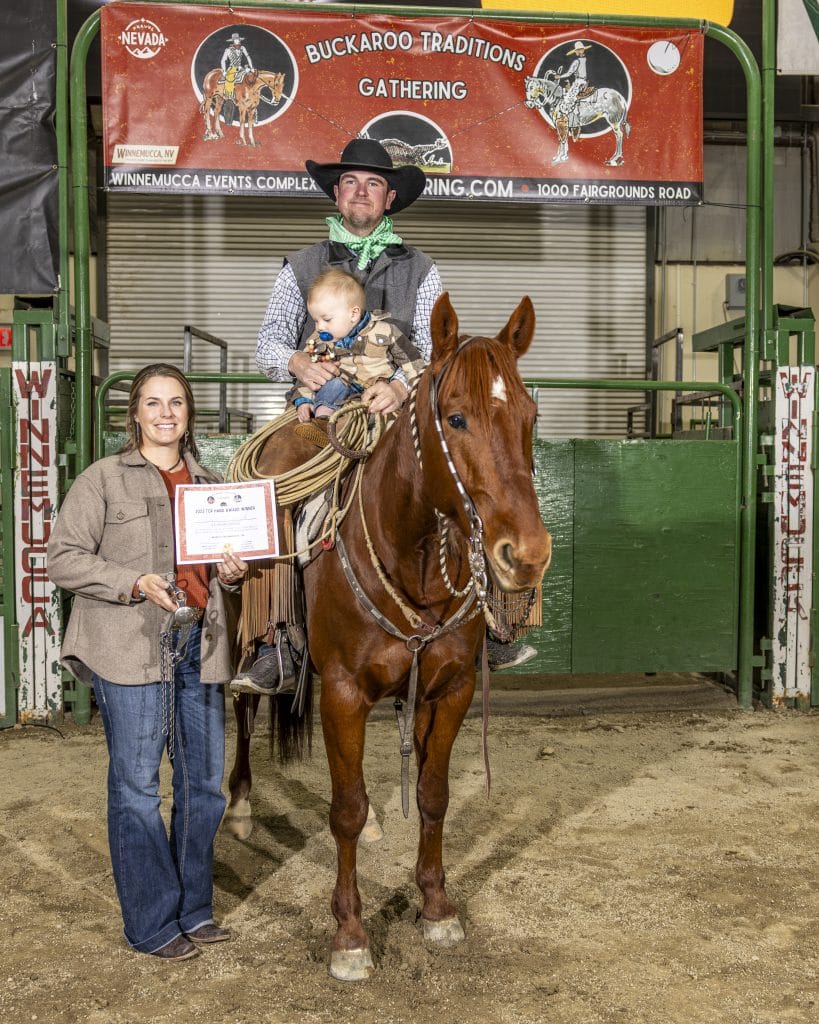
In the vast, sagebrush-swept landscapes of the Great Basin, a unique tradition of horsemanship endures, one that values patience as a virtue and artistry as a goal. This is the world of Buckaroo Horse Training, a discipline deeply rooted in the methods of the Spanish vaquero. It’s a journey that takes years, transforming a green colt into a “finished” bridle horse—an animal so responsive and in tune with its rider that it moves with the subtlety of a thought. This isn’t about quick fixes or shortcuts; it’s about a deep, enduring partnership built on softness, trust, and time.
At its core, the buckaroo philosophy holds a unique perspective. While many working cowboys view their horses as indispensable tools for managing cattle, the buckaroo sees it differently. As an old Great Basin saying goes, “Cowboys have horses to work cattle. Buckaroos work cattle to have better horses.” This simple phrase reveals a profound truth: for the buckaroo, the daily work of the ranch is the classroom where the horse’s education is refined. The ultimate achievement is not the number of cattle worked, but the creation of a truly exceptional equine partner.
The Foundation: More Than Just Gear
Before diving into the training stages, it’s essential to understand the tools of the trade, as each piece of buckaroo gear is purpose-built to facilitate communication and protect the horse. This equipment has evolved over centuries, originating with the Spanish conquistadors and refined by the Californio vaqueros.
The Slick-Fork Saddle
Unlike the swell-fork saddles common in other parts of the West, the buckaroo traditionally rides an A-fork or “slick-fork” saddle, often a Wade. This design features a prominent, wide-diameter horn wrapped in mule hide or latigo. It’s not just for looks; this setup is crucial for the buckaroo’s roping style, which involves “dallying”—wrapping the rope around the horn after a catch rather than tying it on solid. This technique allows for more finesse and control when handling cattle.
The Rawhide Connection
Hand-braided rawhide is the heart of buckaroo communication. The journey begins with the bosal, the noseband component of a hackamore (bitless bridle). Attached to it are the mecate, or reins, often made of horsehair. This system communicates through gentle pressure on the horse’s nose, poll, and chin, laying the groundwork for lightness and response without ever touching the sensitive mouth of a young horse.
The Journey: A Three-Stage Process to a Finished Horse
Buckaroo horse training is not a race. It is a slow, methodical process that can take seven to ten years to complete. Each stage builds upon the last, developing the horse’s understanding and physical ability in a logical progression that preserves its spirit and confidence.
Stage 1: The Hackamore Years
A young horse, typically around four years old, begins its education in the hackamore. The primary goal here is to teach the horse fundamental maneuvers: yielding to pressure, moving its feet, stopping, and turning. All signals are delivered through the bosal and mecate.
- Patience is Paramount: The horse learns to look for the release of pressure as the reward for a correct response.
- Building a Foundation: During these first few years, the horse learns its job on the ranch—gathering, sorting, and navigating rough terrain—all without a bit in its mouth.
- Developing Softness: The trainer focuses on creating a horse that is responsive and light, never relying on force. This initial softness is the bedrock upon which all future training rests.
According to Dr. Caleb Rourke, a historian of Western equestrian traditions, “The hackamore phase is the most critical. It establishes the entire vocabulary of pressure and release that the horse will carry for the rest of its life. Rushing this stage is like trying to build a house without a foundation.”
Stage 2: The Two-Rein
After several years in the hackamore, when the horse is confident and knowledgeable in its job, the next stage begins. This is the “two-rein” phase, a masterful transition period where the bit is introduced. A slender bosal, called a bosalita, is placed on the horse under a traditional bridle, which is fitted with a complex, high-ported mouthpiece known as a “spade bit.”
The rider carries two sets of reins: the mecate connected to the bosalita and the braided rawhide romal reins connected to the spade bit.
- A Delicate Balance: Initially, the rider primarily uses the mecate to signal the horse, with the bit reins held loosely. The horse feels the familiar signal from the nose first, and as it responds, the bit simply comes along for the ride.
- Transfer of Knowledge: Over time, the rider begins to use a whisper-light touch on the bit reins just before picking up the mecate. The horse starts to associate the subtle signal of the bit with the familiar command from the bosalita.
- The Art of Finesse: This stage, which can last a year or more, refines the horse’s responses to an incredible degree. The goal is to transition the horse’s primary understanding from the nose to the bit, without ever creating fear or resistance.
Stage 3: Straight Up in the Bridle
This is the final destination of the long journey. The bosalita is removed for good, and the horse is now ridden “straight up” in the bridle. A true bridle horse is the epitome of buckaroo horsemanship. It works off the lightest touch of the romal reins on its neck, guiding with the weight of the reins alone. It carries the ornate spade bit with ease, understanding its signals as the faintest of suggestions from the rider. This horse is a trusted partner, a reflection of the years of patient, thoughtful training invested in it. It is a living piece of vaquero art.
Why Choose the Buckaroo Way?
In a world that often demands instant results, buckaroo horse training stands as a testament to the value of tradition and the pursuit of mastery. It is a holistic approach that considers the horse’s mind as much as its body. By building a solid foundation bit by bit, year by year, it creates a horse that is not only highly skilled and reliable for ranch work but also a confident and willing companion. This long journey fosters a unique bond between horse and rider, one built on mutual respect and a language of subtle cues—a partnership that is the true hallmark of the buckaroo.
Frequently Asked Questions (FAQ)
What is the main difference between buckaroo and other cowboy training?
The core philosophical difference is that buckaroos prioritize the art of making a fine horse, using cattle work as the means to achieve that end. Other styles may prioritize the completion of the cattle work itself, with the horse being more of a tool for the job.
Is the spade bit a harsh tool?
While it looks intimidating, in the hands of a skilled buckaroo, the spade bit is a signal device, not a tool of force. The entire training process is designed to teach the horse to respond to the lightest cues, so by the time it is ridden “straight up,” there is no pulling or pressure on the mouth.
How long does buckaroo horse training take?
The entire process, from starting a colt in a hackamore to having a finished bridle horse, typically takes between seven and ten years. It is a slow, methodical process that cannot be rushed.
Can any horse be trained in the buckaroo style?
While most stock horse breeds like the American Quarter Horse are common, the principles of patience, softness, and progressive training can be applied to any horse. The success lies more in the trainer’s dedication than in the horse’s specific breed.
What does “vaquero” mean and how does it relate to “buckaroo”?
“Vaquero” is the Spanish word for a horse-mounted livestock herder (a cowboy). “Buckaroo” is the Americanized pronunciation of the word that became common in the Great Basin region of the United States. The buckaroo tradition is a direct descendant of the Californio vaquero horsemanship.
