
The Toy Poodle is celebrated as one of the smartest and most entertaining dog breeds, captivating hearts with their remarkable intelligence and vibrant personality. Though they stand no more than 10 inches tall and typically weigh between 4–6 pounds, these pint-sized pups possess a lively spirit that can light up any room. While often associated with France, the Poodle breed, including its larger Standard ancestors, originated in Germany as duck hunting dogs. Toy and Miniature Poodles were later developed through selective breeding from the larger Standard Poodle to achieve their smaller stature. A Brown Toy Poodle shares all these endearing qualities, wrapped in a beautiful, rich coat that adds to their unique charm and appeal. If you’re considering welcoming a brown Toy Poodle into your home, understanding their specific needs and characteristics is crucial for a happy and healthy companionship. Explore our collection of wholesale dog and cat supplies to prepare for your new companion.
Caring for Your Brown Toy Poodle
Brown Toy Poodles are not just adorable; they are also exceptionally intelligent and eager to please, making them wonderful family pets and relatively easy to train. They thrive on interaction and mental stimulation, but their exercise requirements are generally lower than many other breeds. A daily walk combined with engaging play sessions at home is usually sufficient to keep your brown Toy Poodle happy and healthy.
Poodles of all sizes, including the elegant brown Toy Poodle, boast a distinctive curly coat that grows continuously. This beautiful coat, while stunning, demands extensive grooming. Regular trims, ideally every four to six weeks, are necessary to prevent matting and maintain their distinguished appearance. One of the attractive traits of Toy Poodles is their minimal shedding, making them a potentially suitable choice for some individuals with allergies. However, it’s important to note that no dog is entirely “hypoallergenic.” Potential owners with allergies should spend time with a brown Toy Poodle before committing to ensure compatibility.
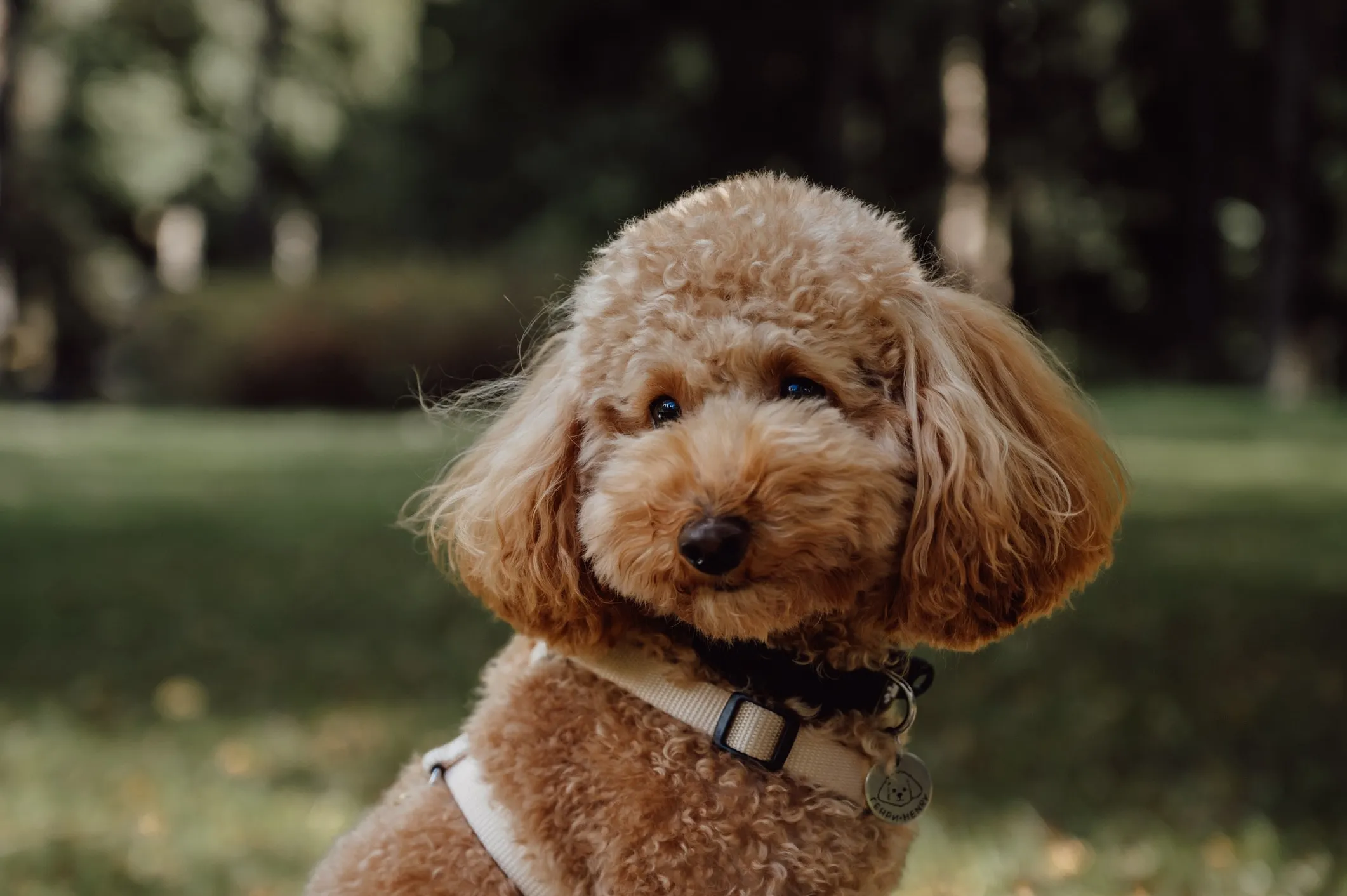 A beautiful apricot Toy Poodle wearing a harness enjoys a day out at the park.
Common Health Issues in Brown Toy Poodles
The typical lifespan for a Toy Poodle ranges from 10–18 years, and they are generally considered a healthy breed. Nevertheless, during their relatively long lives, brown Toy Poodles may be predisposed to certain health conditions that require attention and care. It’s a wise decision for pet parents to consider investing in pet insurance early in their brown Toy Poodle’s life to help manage potential veterinary costs.
Choosing a reputable Toy Poodle breeder is paramount, as ethical breeders will screen their dogs for many hereditary conditions to ensure they produce healthy puppies. Additionally, a dog DNA test can offer valuable insights into your brown Toy Poodle’s genetic health, screening for over 230 genetic conditions.
Progressive Retinal Atrophy (PRA)
Progressive Retinal Atrophy (PRA) encompasses a group of inherited eye diseases that lead to the degeneration of photoreceptor cells (rods and cones) in the retina. Initially, affected dogs may experience difficulty seeing in low light conditions, but the condition can progress to complete blindness over time. Unfortunately, there are currently no effective treatments for PRA.
Patellar Luxation
Patellar luxation is a condition where the kneecap (patella) slips out of its normal groove in the femur (thigh bone) when the knee flexes. This abnormal movement can cause discomfort and may eventually lead to arthritis. Dogs with patellar luxation may exhibit skipping or limping on three legs. While some mild cases may correct themselves, more severe instances can result in the patella remaining dislocated.
Treatment for mild cases typically involves joint supplements, such as fish oils and glucosamine, along with anti-inflammatory medications, weight management, and dietary adjustments to control pain and minimize arthritis progression. For more severely affected dogs, surgical intervention may be recommended.
Legg-Calve-Perthes Disease
Legg-Calve-Perthes disease is a condition affecting the head of the femur, where it begins to break down, likely due to a compromised blood supply. This leads to pain and noticeable limping in affected dogs. It is primarily observed in young dogs, most often in Toy Poodle puppies under 18 months of age. While pain can sometimes be managed with medication, severe cases might necessitate surgery to remove the femoral head.
Ear Infections
Brown Toy Poodles are more susceptible to ear infections than many other breeds. These infections often arise from an overgrowth of yeast or bacteria in the ear canal. Common symptoms include visible debris, redness, a foul odor, frequent head shaking, and scratching at the ears. Due to their long ear canals and abundant curly hair, moisture and debris can easily become trapped, creating an ideal environment for infections. Trimming (but not plucking) the hair from their ears can help reduce the incidence of these infections. It’s crucial to consult a veterinarian if you notice any of these signs, as early treatment typically involves cleaning the ear with vet-approved cleaners, prescription medication, and identifying underlying causes like allergies. Dogs experiencing chronic or recurrent ear infections frequently have allergies that need to be addressed.
Dental Disease
Dental disease is one of the most prevalent conditions in dogs, particularly in small breeds like the brown Toy Poodle. It develops when plaque and tartar accumulate, leading to bacterial infections of the tissues around and under the gumline, eventually causing tooth and bone decay.
Daily tooth brushing with a dog-specific toothpaste is the most effective way to prevent dental disease. Additionally, certain diets, dental treats, and toys for dogs that are heavy chewers can help combat plaque and tartar buildup. Regular professional dental cleanings are recommended to assess your dog’s oral health, remove plaque and tartar, polish teeth, and address or extract significantly unhealthy teeth. Dental disease is painful and can even impact the health of your brown Toy Poodle’s internal organs.
Tracheal Collapse
Tracheal collapse occurs when the trachea, or windpipe, flattens due to weak cartilage rings or sagging of the tracheal membrane. Symptoms include a dry cough, which can worsen when your brown Toy Poodle eats or becomes excited. Most cases are managed with medication, but severe instances where breathing is significantly impeded may require surgery.
Brown Toy Poodles are genetically predisposed to tracheal collapse. To prevent and manage this condition, maintaining a healthy weight for your dog is essential. When walking your brown Toy Poodle, it’s advisable to use a harness or a no-pull head-collar instead of attaching a leash to their collar, as pressure on the trachea can cause further damage.
Von Willebrand’s Disease (vWD)
Von Willebrand’s Disease (vWD) is a genetic blood disorder commonly observed in Toy Poodles. This condition results from a deficiency in the von Willebrand factor, a protein crucial for platelets to aggregate and form blood clots.
Dogs deficient in this protein may experience prolonged bleeding from the nose, vulva, bladder, or gums. They may also bleed excessively after trauma or surgery. Since some dogs with vWD might not show noticeably prolonged bleeding until later in adulthood, measuring blood levels of the von Willebrand factor can aid in diagnosis. Most veterinarians recommend testing for vWD before any planned surgeries, including spays, neuters, and dewclaw removals.
 A brown Toy Poodle resting comfortably on a living room floor with its pet parents in the background.
Nutrition for Your Brown Toy Poodle
Providing a high-quality commercial kibble or wet food that meets the nutritional standards set by the Association of American Feed Control Officials (AAFCO) is an excellent way to ensure your brown Toy Poodle receives a complete and balanced diet.
Puppies should be fed a diet specifically formulated for puppies or designated for all life stages. For adult brown Toy Poodles, your veterinarian might recommend dental-focused diets to help prevent dental disease, which is common in small breeds. Always consult your vet to determine the best food for your dog. Some brands, like Royal Canin, even offer specialized dog food for Poodle puppies and adult dogs.
How to Feed a Brown Toy Poodle
Given their small size, adult brown Toy Poodles generally thrive on two to three meals per day. However, brown Toy Poodle puppies require three to four small meals daily on a consistent schedule. This helps maintain their blood sugar levels and prevents hypoglycemia, a condition characterized by dangerously low blood sugar.
How Much Should You Feed a Brown Toy Poodle?
The precise caloric intake recommended for a brown Toy Poodle varies depending on their physical size, metabolism, neuter status, and activity level. The most accurate way to determine feeding quantity is to consult your veterinarian, who can calculate your brown Toy Poodle’s specific caloric needs.
Additionally, the feeding guide labels on dog food packaging provide valuable information for pet parents. Remember that in small breeds like the brown Toy Poodle, calories from treats can add up quickly. Treats should comprise no more than 10% of your dog’s daily diet, with the remaining 90% coming from their regular dog food.
Nutritional Tips for Brown Toy Poodles
Some brown Toy Poodles can benefit significantly from the addition of omega-3 fatty acids (DHA/EPA) to their diets. These beneficial fatty acids can be found in skin and joint supplements, fish oil, and certain specially formulated dog foods. Omega-3s act as natural anti-inflammatories, supporting the health of their skin, coat, kidneys, joints, and heart.
Behavior and Training Your Brown Toy Poodle
Brown Toy Poodle Personality and Temperament
As a breed, brown Toy Poodles are exceptionally intelligent and possess an inherent eagerness to please their families. When properly socialized at a young age, they develop into playful and self-confident companions. While generally calm, brown Toy Poodles thoroughly enjoy playtime and exercise with their families. They tend to be gentle with other pets and children, though all interactions between dogs and young kids should always be supervised. Due to their tiny stature, brown Toy Poodles can accidentally be injured during boisterous playtime.
Brown Toy Poodles have lower exercise needs than many other dog breeds, but they still benefit from a daily walk and play session. You might consider enriching their environment with items like dog pens for sale near me for safe play.
Brown Toy Poodle Behavioral Traits
Brown Toy Poodles form strong bonds with their families and may develop separation anxiety if left alone for extended periods. They can also be sensitive to stress, and sudden changes in their home environment might lead to gastrointestinal upset. Moreover, the high intelligence of all Poodles means they require significant mental stimulation to stay entertained and out of trouble. Bored dogs are more prone to excessive barking, jumping, and destructive behaviors. Keep your brown Toy Poodle engaged with interactive playtime, puzzle toys, and consistent training sessions.
Brown Toy Poodle Training Tips
Brown Toy Poodles’ desire to please their pet parents, combined with their sharp intellect, makes them a relatively easy breed to train. As always, training is most effective when founded on positive reinforcement principles, using praise and delicious treats. Just be mindful not to overfeed them with treat rewards, especially given their small size!
Fun Activities for Your Brown Toy Poodle
Beyond basic obedience, brown Toy Poodles excel in various fun activities. Scent walks, where they can explore and use their keen sense of smell, are highly stimulating. Puzzle toys challenge their minds and keep them occupied. They also enjoy agility training, canine freestyle, and even learning complex tricks, all of which leverage their intelligence and desire to work alongside their humans.
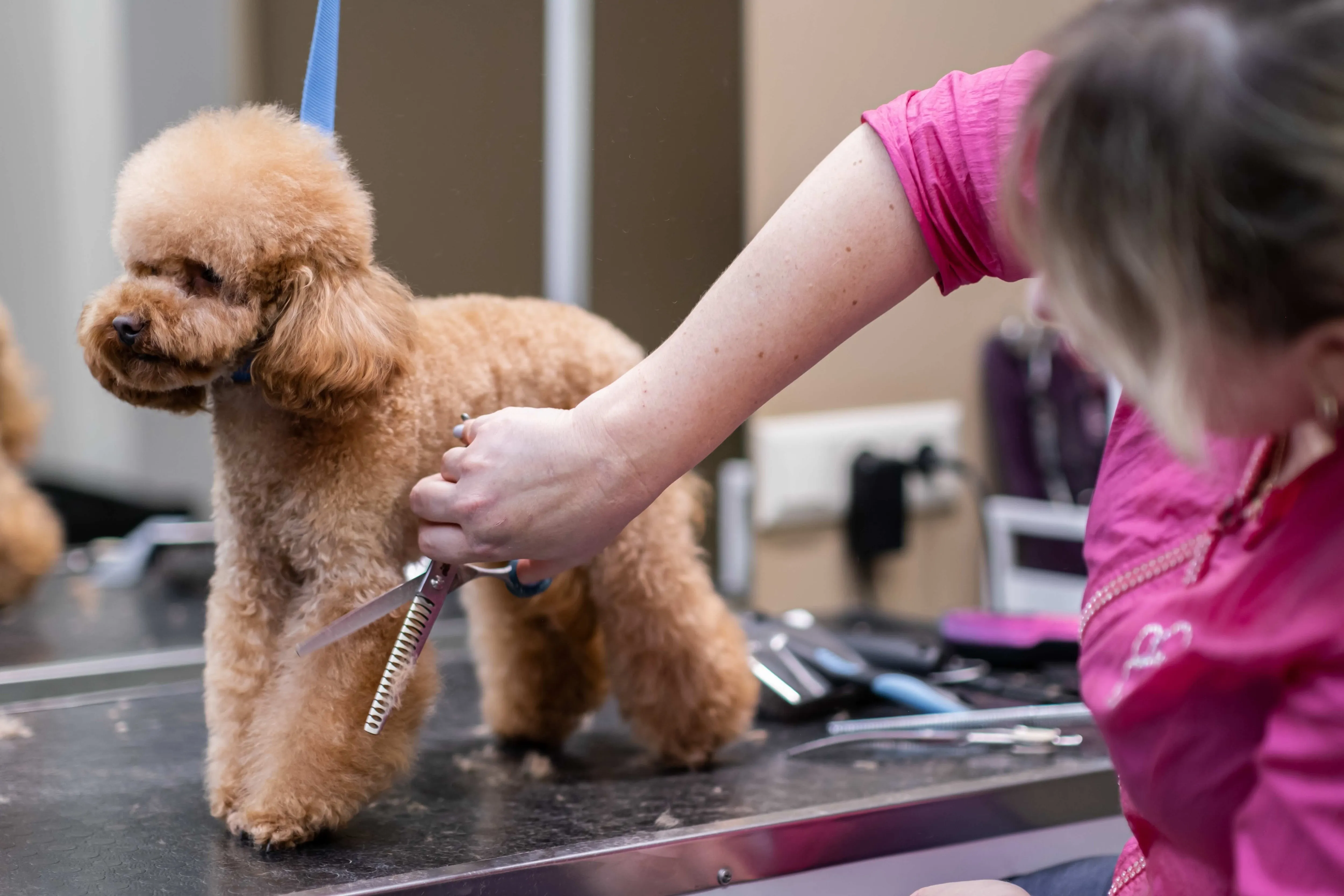 A professional groomer carefully works on a Toy Poodle's coat.
Grooming Guide for Your Brown Toy Poodle
All Poodle sizes, including the brown Toy Poodle, have hair rather than fur, which grows continuously and sheds very little. However, this dense, curly hair mats easily, necessitating routine and diligent care.
Skin Care for Your Brown Toy Poodle
Most brown Toy Poodles should be bathed every two to four weeks, though your veterinarian might recommend more frequent bathing based on your dog’s health or any underlying medical conditions. A gentle, dog-specific shampoo and conditioner are ideal for their delicate curls.
Coat Care for Your Brown Toy Poodle
Unless your brown Toy Poodle’s coat is kept very short, daily brushing is essential to prevent matting. It’s crucial to detangle their hair all the way to the roots. Historically, Poodles were groomed with the classic Continental clip for hunting, a style that minimized heavy hair while protecting vital body parts from cold water. This intricate Poodle haircut is less common today for house pets; the shorter “puppy cut” requires less home maintenance. Regardless of the haircut, most brown Toy Poodles require professional grooming every four to six weeks. If you need to buy dog supplies in bulk, check out our store.
Eye Care for Your Brown Toy Poodle
Wiping your brown Toy Poodle’s eyes daily with a soft, moist cloth or a vet-recommended eye cleaner will help remove any debris. Some Poodles are prone to heavy tear staining around their eyes; daily rinsing of the eye corners with saline can help prevent this. Hair around your brown Toy Poodle’s eyes should be carefully trimmed to prevent irritation. If you notice squinting or eye discharge, it warrants a trip to the veterinarian for an examination, as these can indicate more serious eye conditions.
Ear Care for Your Brown Toy Poodle
As mentioned, brown Toy Poodles frequently develop ear infections, often linked to allergies. To help prevent these, clean your dog’s ears every week or two as directed by your veterinarian, and ensure the ear hairs are regularly trimmed (not plucked). Any signs of redness, odor, or debris may signal an infection, and you should consult your veterinarian promptly.
Important Considerations for Prospective Brown Toy Poodle Parents
Brown Toy Poodles make truly wonderful pets for almost any family, provided you are prepared to dedicate the necessary time and resources to their extensive grooming needs. They are exceptionally intelligent and eager to please, making them both easy and enjoyable to train using positive reinforcement with treats and praise. Their high intelligence also means they require a consistent supply of mental stimulation through activities such as scent walks, puzzle toys, and obedience training to prevent boredom and potential behavioral issues. When socialized early in life, most brown Toy Poodles are gentle and get along well with children and other pets, making them a fantastic addition to a loving household.
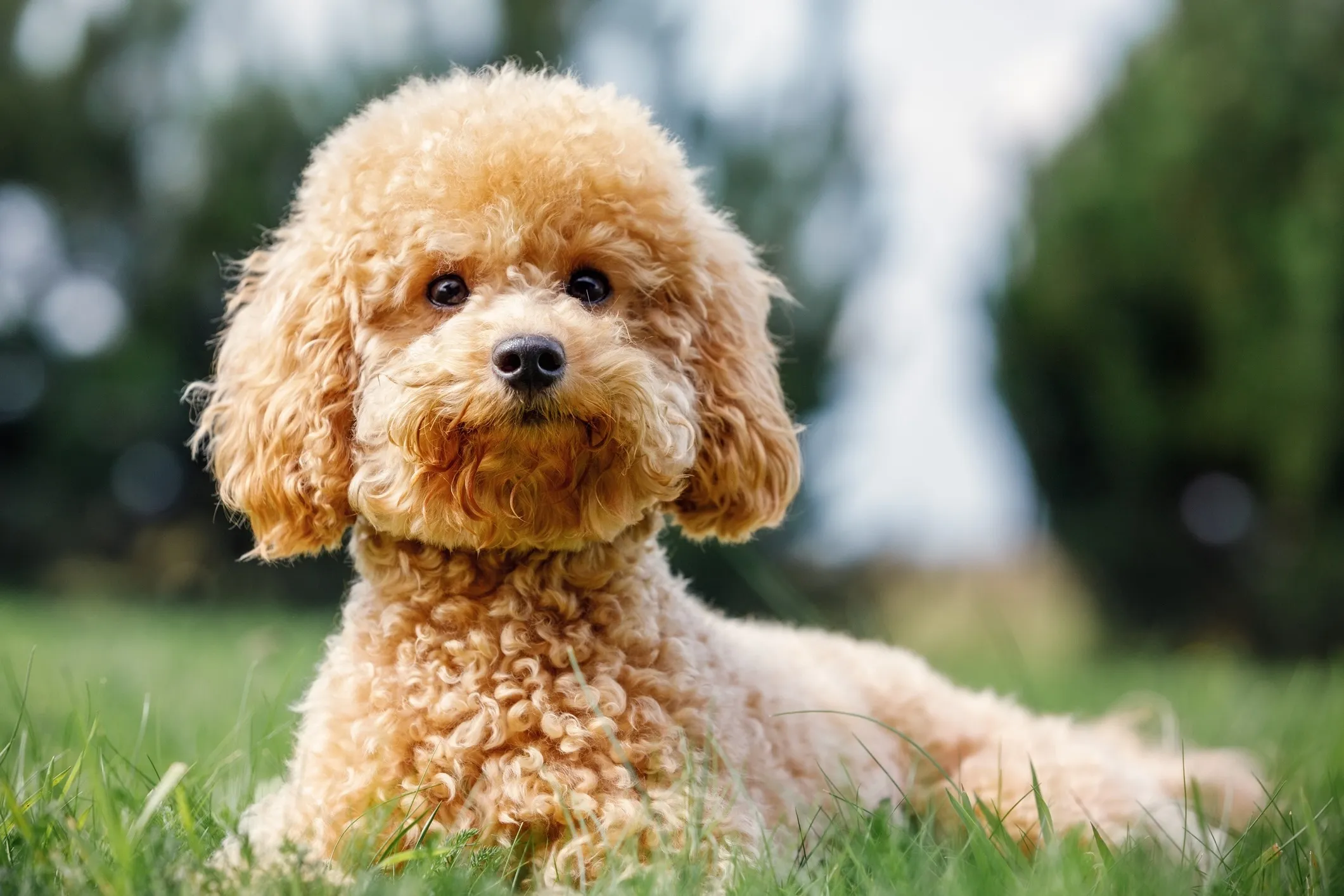 A small apricot Toy Poodle happily resting in a field of grass.
Brown Toy Poodle FAQs
Do Toy Poodles shed?
No, brown Toy Poodles shed very little. Despite this, their high-maintenance coat requires near-daily grooming to prevent matting.
Are Toy Poodles hypoallergenic?
No dog is 100% hypoallergenic. However, brown Toy Poodles have a reputation for being good pets for some individuals with pet allergies due to their non-shedding coat.
Are Toy Poodles good house dogs?
Yes, brown Toy Poodles make exceptional house pets due to their impressive intelligence and good nature. They are relatively easy to train and generally do well with small children, especially if socialized early.
How much is a Toy Poodle?
The cost of purchasing a brown Toy Poodle puppy from a reputable breeder can range between $1,200–$3,000. Dogs with specific lineages may command higher prices. Poodles and Poodle mixes can also often be found in rescues and shelters, offering an alternative path to adoption.
How big does a Toy Poodle get?
A full-grown brown Toy Poodle typically stands no more than 10 inches tall and weighs between 4–6 pounds.
Do Toy Poodles bark a lot?
Yes, brown Toy Poodles have a reputation for barking quite a bit. Keeping your dog entertained with mental stimulation and sufficient exercise can help reduce excessive barking.
What is the difference between Standard Poodles, Miniature Poodles, and Toy Poodles?
The primary difference among the three types of Poodles is their size:
- Standard Poodles are typically over 15 inches tall and weigh 40–70 pounds.
- Miniature Poodles are 10–15 inches tall and weigh 10–15 pounds.
- Toy Poodles are no more than 10 inches tall and weigh only 4–6 pounds.
Bringing a brown Toy Poodle into your life means welcoming a highly intelligent, affectionate, and charming companion. Their distinctive coat, lively personality, and eagerness to please make them a joy to train and live with. By understanding their unique needs for grooming, nutrition, and health care, and by providing consistent mental stimulation and socialization, you can ensure your brown Toy Poodle thrives and becomes a beloved member of your family.
