
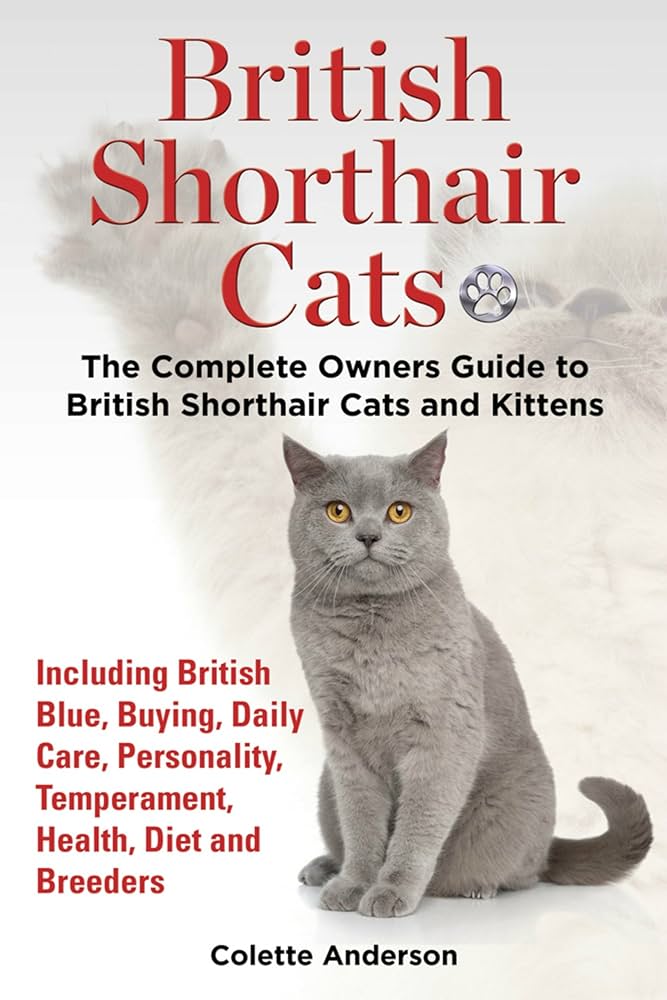
British Shorthair cats are renowned for their gentle nature and striking appearance, making them a popular choice for households seeking a calm and affectionate feline companion. Whether you’re considering adopting one or simply wish to deepen your understanding of this distinguished breed, this guide provides an in-depth look at their background, unique characteristics, and essential care requirements.
Understanding the British Shorthair Breed
Originating from the United Kingdom, the British Shorthair breed boasts a rich history, initially gaining popularity for their resilience and distinctive plush coats, often found on ships and in working environments. Their development in the 19th century, involving crosses with Persian cats, aimed to enhance their luxurious coat and overall appearance. British Shorthairs tend to express their affection in more subtle ways, preferring a gentle pet over constant physical attention. Signs of their affection include following their owners around, vocalizing in their presence, and choosing to rest near them, especially during sleep. While they enjoy interaction, they are also adept at entertaining themselves, ensuring they don’t cause mischief when left alone. Their dependable nature and tendency for proper kitten behavior development make them an excellent fit for families with children.
A Calm and Easy-Going Temperament
One of the most defining traits of British Shorthair cats is their exceptionally laid-back temperament. They are typically self-sufficient and do not require constant stimulation or attention, often content to observe their surroundings from a comfortable vantage point. Despite their reserved nature, they deeply appreciate their owners’ companionship. This amiability has earned them a reputation among cat enthusiasts as one of the most tranquil cat breeds. While not overly vocal, their quiet presence can be a comforting addition to any home.
Distinctive Physical Features: Round Faces and Plush Fur
The British Shorthair’s unique appearance is a key characteristic of the breed. They possess a sturdy, muscular build, ranging in size from medium to large. Their most striking features include large, round ears that complement their oval faces, often appearing in copper, blue, or gold hues. The breed’s coat is perhaps its most recognizable attribute, available in a wide array of colors and patterns, including solid blue, black, tabby, tortoiseshell, and colorpoint variations. This dense, plush coat requires consistent grooming to maintain its health and appearance.
Compatibility with Other Pets and Household Members
As delightful and social cats, British Shorthairs generally coexist peacefully with other household animals, including dogs and other cats. Their easy-going nature means they are unlikely to instigate conflict and will typically remove themselves from uncomfortable situations. When introducing a new British Shorthair to a home with existing pets, patience is key to fostering a harmonious relationship. Early socialization and supervised introductions are recommended to ensure a smooth transition for all.
Grooming and Essential Care Requirements
Maintaining the health and appearance of a British Shorthair’s thick, plush coat does not necessitate extensive effort. Weekly brushing is usually sufficient to manage shedding and prevent the formation of hairballs, making them a sensible choice for first-time cat owners due to their relatively low grooming needs. However, regular dental hygiene, ear cleaning, and nail trimming are also essential components of their care routine. Given their tendency towards a lower activity level, providing ample opportunities for physical activity is crucial to manage their weight and prevent obesity, a common concern in adult British Shorthairs.
Common Health Concerns to Monitor
While generally a robust breed, British Shorthairs can be predisposed to certain health conditions. Hypertrophic cardiomyopathy (HCM), a heart condition, is one such concern that benefits from regular monitoring by veterinary professionals. Their sedentary nature, if not counteracted with sufficient exercise, can also contribute to obesity. Responsible ownership involves prioritizing preventive care, including regular veterinary check-ups for early detection of potential issues. A balanced diet, consistent opportunities for active play, and a stress-free environment are vital for minimizing health risks and promoting a long, healthy life for your British Shorthair.
Guidance for New British Shorthair Owners
Potential owners should understand that while British Shorthairs adapt well to new environments, providing for their specific needs is paramount. Key considerations include:
- Litter Boxes: It’s advisable to have at least two litter boxes per cat, ensuring each is approximately 50% longer and wider than the adult cat.
- Feeding Dishes: Opt for ceramic or steel bowls over plastic. Plastic can become scratched, creating a breeding ground for bacteria, and is less hygienic.
- Resting Areas: Dedicate at least one comfortable, washable sleeping spot for your cat, although they will undoubtedly find other preferred napping locations.
Scratching is a natural and essential behavior for cats, aiding in muscle, joint, and claw health. To prevent furniture damage, provide appropriate scratching posts, such as horizontal scratching mats, and implement early kitten behavior development strategies to redirect this instinct.
Conclusion
In summary, British Shorthair cats are cherished for their gentle demeanor and manageable care needs. While generally independent, their unique personalities thrive on interaction at their own pace. By understanding their specific requirements and providing a nurturing environment, owners can foster a strong bond with these distinguished felines. For those seeking a well-behaved and affectionate companion, embracing professional kitten behavior development strategies can further enhance the experience, ensuring your British Shorthair becomes a cherished member of the family.
